Peptide News

Peptide & GLP-1 News

Tracking retatrutide, semaglutide, tirzepatide, BPC-157, GHK-Cu and the rest of the peptide market — drug approvals, pricing, research and the companies behind them.

Medicare's GLP-1 'Bridge' Program May Limit Access to Weight Loss Drugs

Medicare's GLP-1 'Bridge' Program May Limit Access to Weight Loss Drugs

Medicare's new 'Bridge' program aims to make GLP-1 weight loss medications more affordable, but its complex eligibility criteria and administrative burdens may limit access for patients. The program, which offers discounted access to medications like Wegovy and Zepbound, requires extensive documentation and prior authorizations, which can delay treatment and increase staff workload.

Millions Lose Insurance Coverage for Weight Loss Drugs, Leaving Patients in Limbo

Millions Lose Insurance Coverage for Weight Loss Drugs, Leaving Patients in Limbo

Millions of Americans have lost insurance coverage for weight loss drugs like Zepbound and Wegovy, forcing them to navigate a complex appeals process or seek alternative treatments. Patients and doctors are speaking out about the challenges of accessing these medications, which have been shown to be effective in treating obesity and related conditions.

Eli Lilly Grants Access to Experimental Obesity Drug to 79-Year-Old Patient

Eli Lilly Grants Access to Experimental Obesity Drug to 79-Year-Old Patient

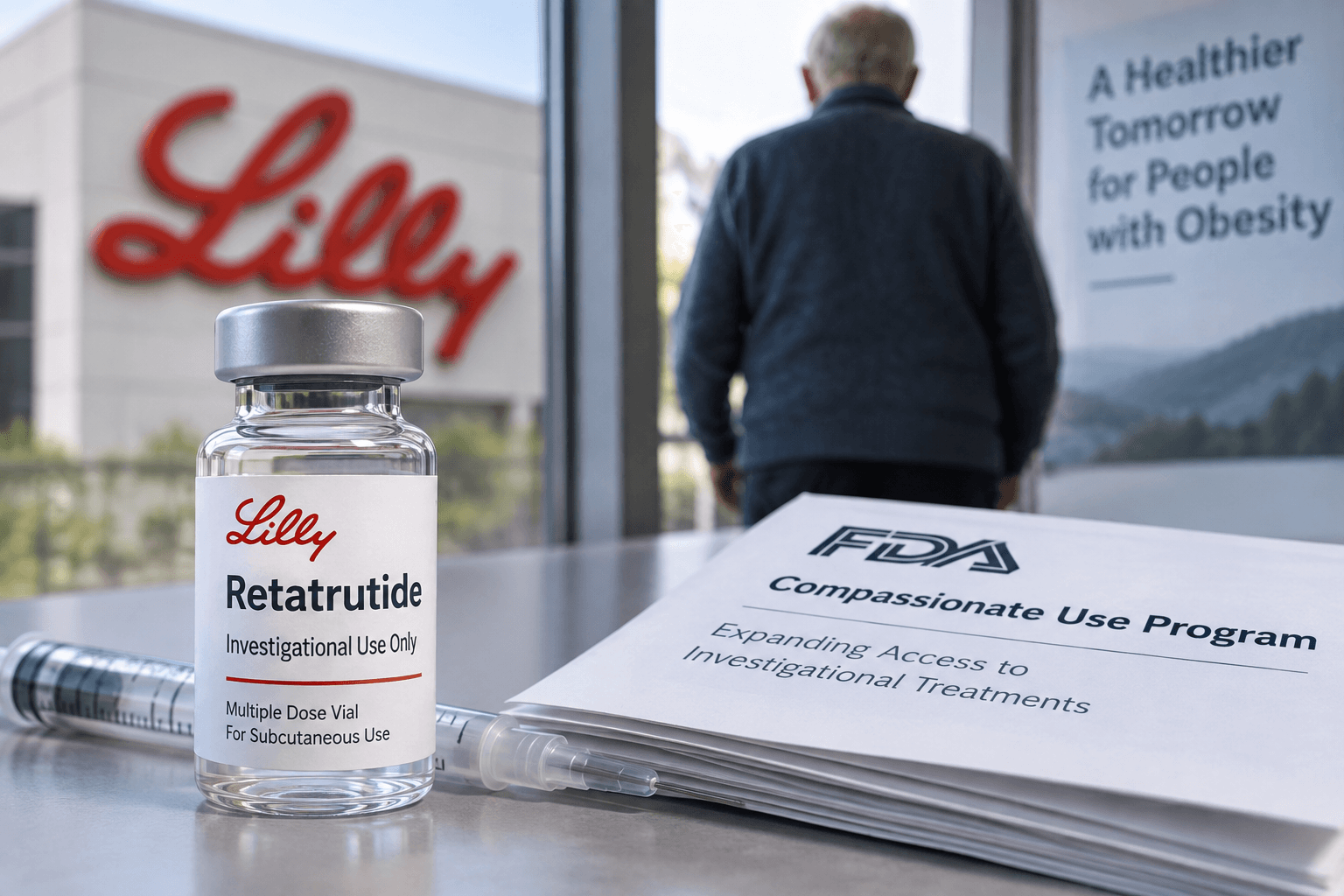
Eli Lilly has given a 79-year-old patient access to its experimental obesity drug, retatrutide, through the FDA's compassionate use program. The move has raised eyebrows, with sources suggesting the patient may be well-connected. Retatrutide has shown promising results, with weight loss comparable to bariatric surgery.

Weight-Loss Drugs Under Scrutiny: Separating Fact from Fiction on Side-Effects

Weight-Loss Drugs Under Scrutiny: Separating Fact from Fiction on Side-Effects

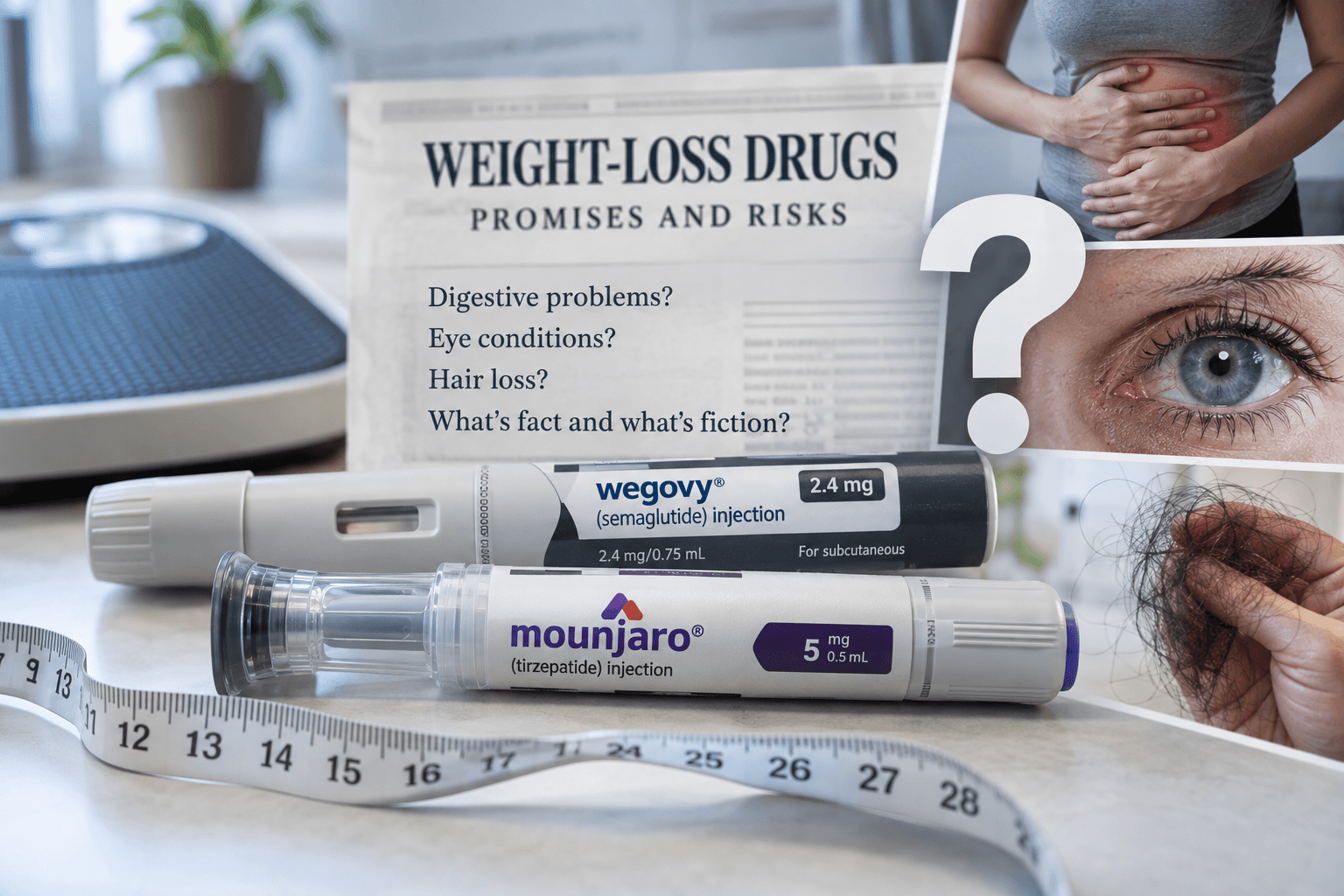
Weight-loss medications like Wegovy and Mounjaro have become increasingly popular, but reports of side-effects such as digestive problems, eye conditions, and hair loss have raised concerns. While some of these side-effects have been studied, others remain unproven, leaving many to wonder what's fact and what's fiction.

Novo Nordisk Sues Eli Lilly Over 'Deceptive' GLP-1 Drug Ads

Novo Nordisk Sues Eli Lilly Over 'Deceptive' GLP-1 Drug Ads

Novo Nordisk has sued Eli Lilly, alleging the company's ad campaign for its obesity and diabetes drugs is 'deceptive' and uses 'outdated clinical trials' to make them appear more effective. The lawsuit, filed in federal court in New Jersey, claims Lilly is comparing high doses of its drugs to lower doses of Novo's similar medications.

When Weight-Loss Drugs Don't Work: The Struggle for Answers

When Weight-Loss Drugs Don't Work: The Struggle for Answers

For some people, the highly touted GLP-1 weight-loss medications, such as Ozempic and Wegovy, don't deliver the promised results. Researchers are working to understand why, as patients face disappointment, shame, and significant financial burdens.

Eli Lilly's Obesity Drug Shows Promise, But Heart Benefits Remain Unclear

Eli Lilly's Obesity Drug Shows Promise, But Heart Benefits Remain Unclear

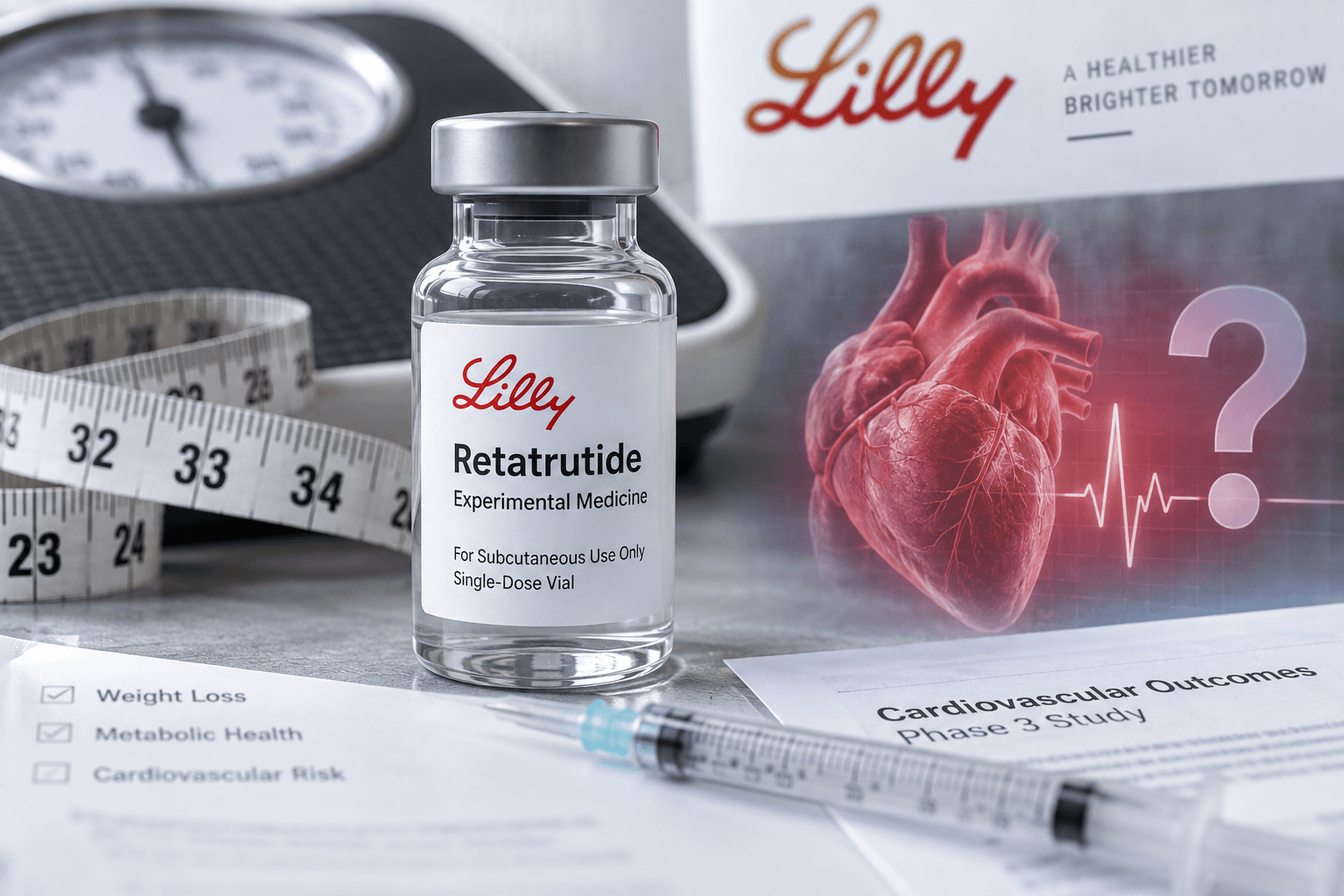
Eli Lilly's new obesity drug, retatrutide, has been shown to be highly effective in weight loss, with participants losing 22.6% of their weight after 80 weeks. However, the drug's impact on cardiovascular risk remains unclear due to a lack of statistically significant results in a recent Phase 3 study.

GLP-1 Medications Show Promise in Treating Obesity and Improving Fertility

GLP-1 Medications Show Promise in Treating Obesity and Improving Fertility

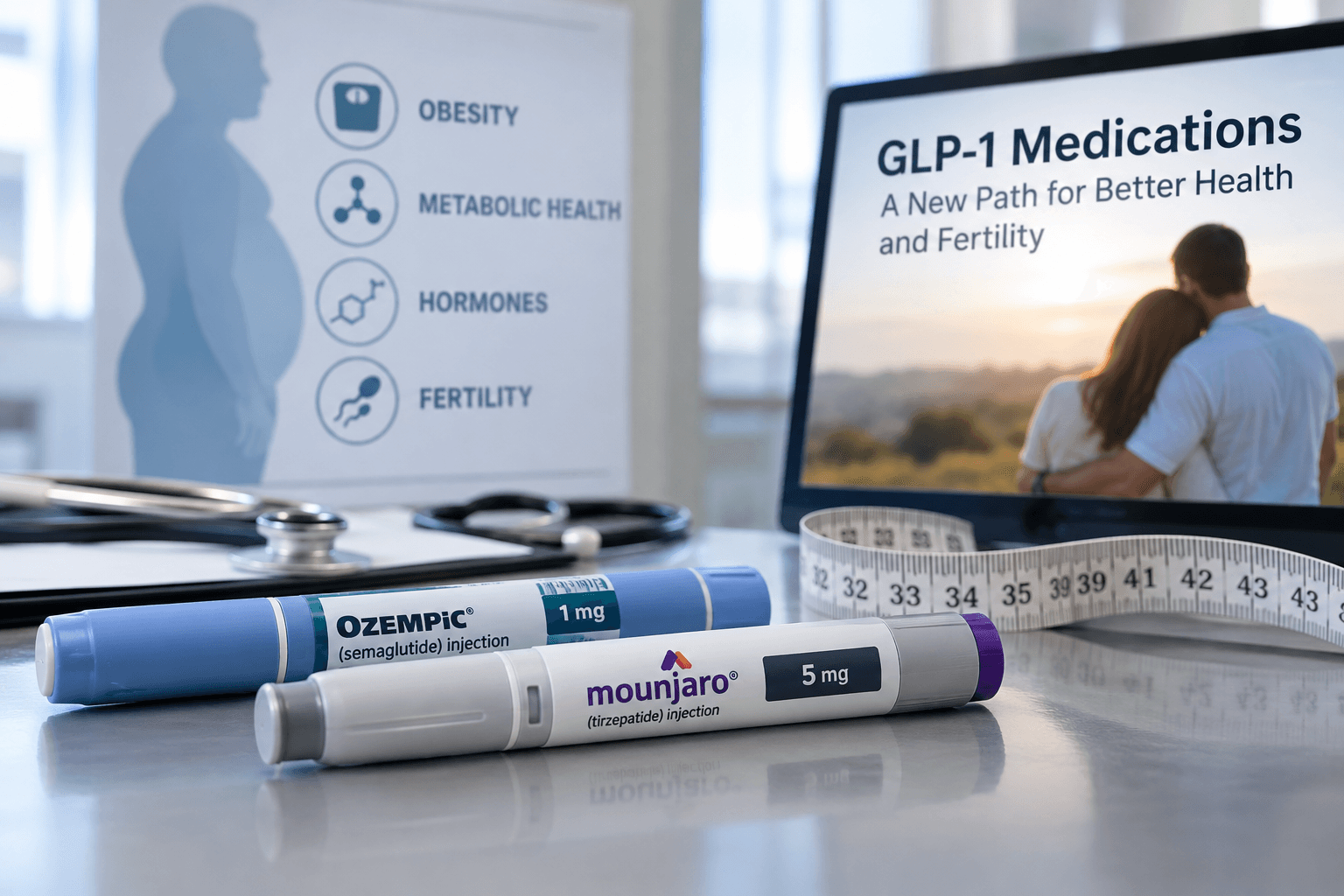
Research on GLP-1 medications has yielded promising results in treating obesity and improving fertility in men with low testosterone. A study found that GLP-1s may improve testosterone levels and sperm quality, while another study showed a 310-fold increase in GLP-1 prescriptions for children with obesity.

Desperate for Weight Loss, People Turn to Unapproved Retatrutide

Desperate for Weight Loss, People Turn to Unapproved Retatrutide

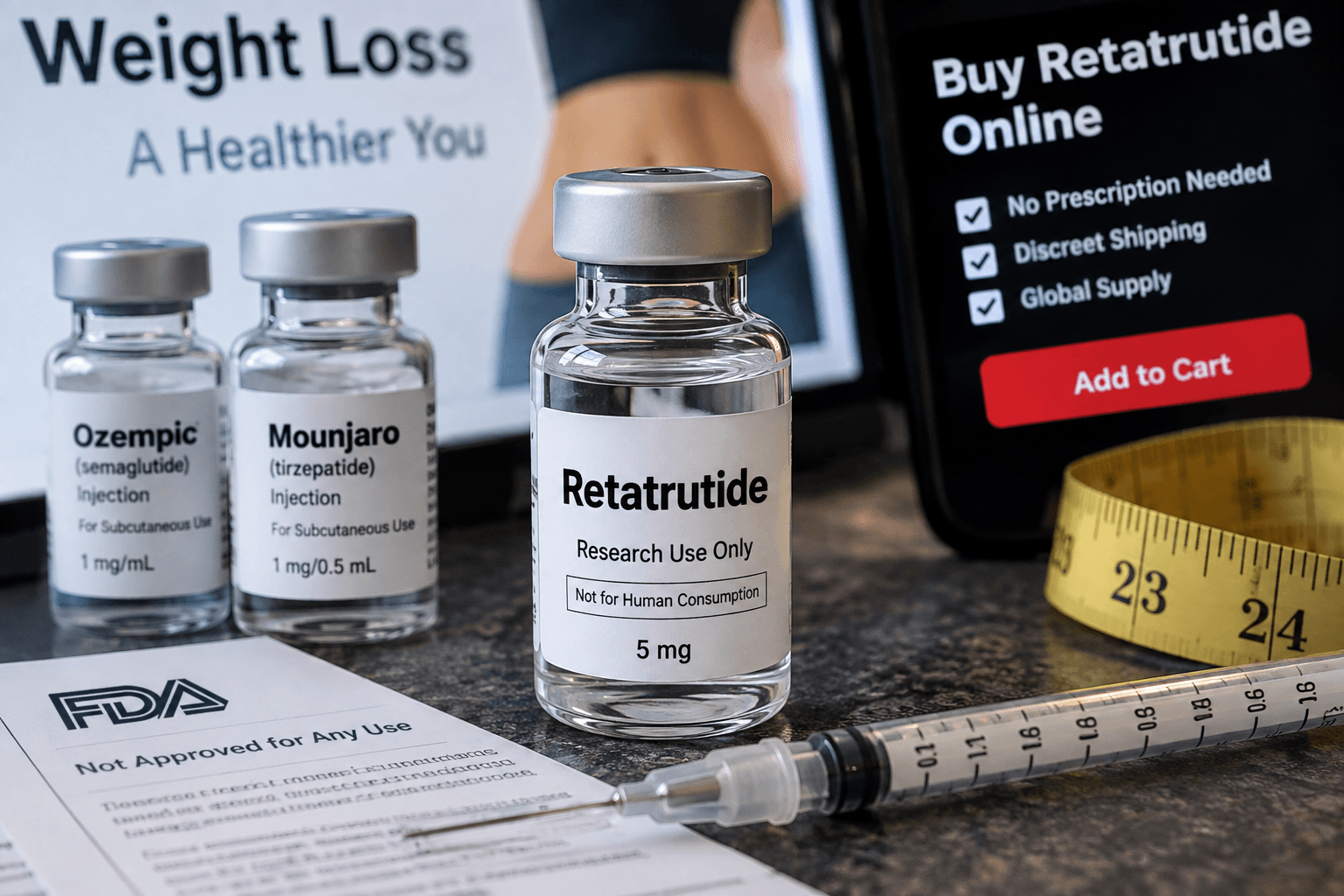
Retatrutide, a promising weight-loss drug not yet approved by the FDA, is being sought after by people dissatisfied with current medications, with some turning to the gray market to purchase it, despite warnings from doctors about the risks to their health.

Semaglutide Tied to Lower Bone Fracture Risk in Diabetes Patients

Semaglutide Tied to Lower Bone Fracture Risk in Diabetes Patients

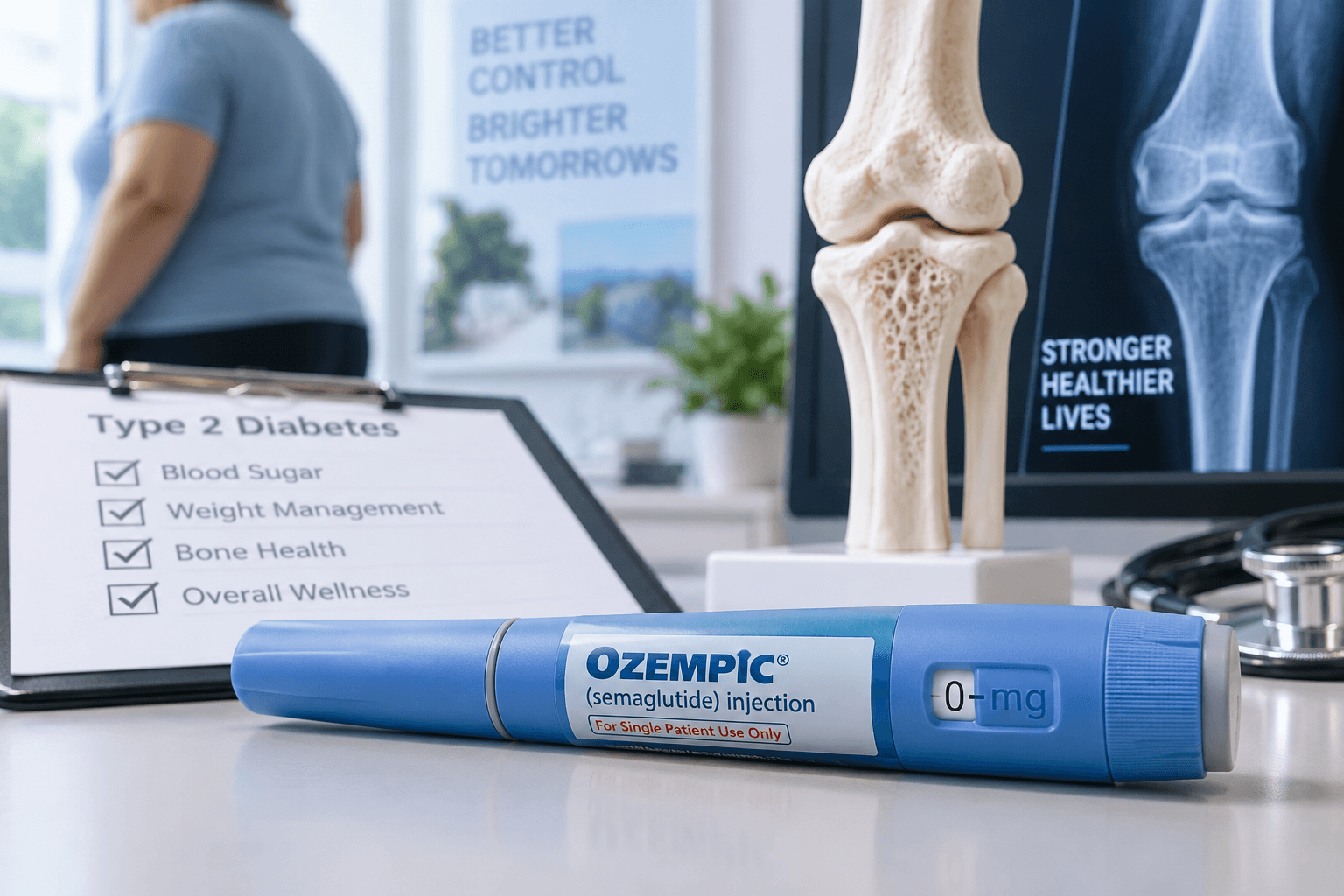
A new study finds that people taking semaglutide for diabetes have a lower rate of bone fractures compared to those taking other anti-obesity medications. Researchers analyzed data from over 159,000 patients and found that semaglutide treatment was associated with a greater reduction in body mass index and fewer fractures.