Desperate for Weight Loss, People Turn to Unapproved Retatrutide
Retatrutide, a promising weight-loss drug not yet approved by the FDA, is being sought after by people dissatisfied with current medications, with some turning to the gray market to purchase it, despite warnings from doctors about the risks to their health.
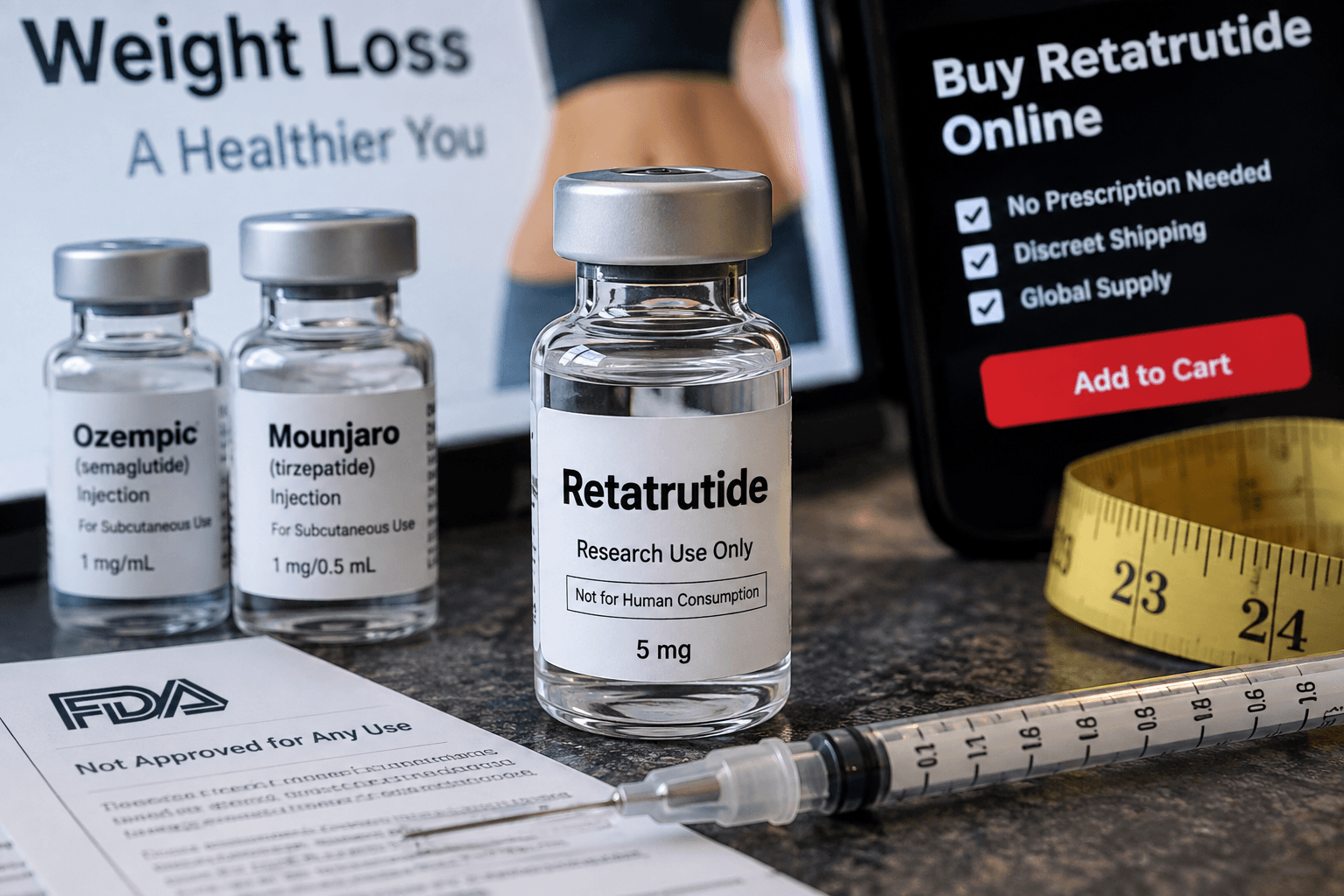
- Retatrutide is a promising weight-loss drug not yet approved by the FDA
- People are buying the drug on the gray market, despite warnings from doctors
- The drug has shown promise in clinical trials, with patients achieving an average weight loss of 22%
- Physicians warn that using the drug without medical oversight can lead to serious health problems
- Eli Lilly has filed lawsuits against companies allegedly selling the drug
People are taking a risk with their health by buying the unapproved weight-loss drug retatrutide on the gray market. The drug, like GHK-Cu and other peptides, manufactured by Eli Lilly, has shown promise in clinical trials, with patients achieving an average weight loss of 22% in an 80-week trial. However, physicians are warning that using the drug without medical oversight can lead to serious health problems.
Why are people turning to unapproved Retatrutide for weight loss?
Henry, a thirtysomething from the Pacific Northwest, is one such person. He started taking Ozempic, a prescription weight-loss drug, but experienced constipation, a common side effect. He then turned to retatrutide, which he bought online from sellers in China. Henry has lost 30lb since starting on the drug, but his doctor is unaware of his use of it.
What is Retatrutide and how does it work?
Retatrutide, similar to Semaglutide, is a triple agonist, targeting the GLP-1 and GIP receptors and glucagon, which speeds up the body's metabolism and helps it break down fat cells for energy. Dr. Caroline Messer, an endocrinologist in New York, says the drug, like Tirzepatide, could work well in helping people lose weight, but warns that obtaining it through the gray market is potentially dangerous. "The more natural gut hormones that you upregulate, the more weight loss we see," she said.
Despite the warnings, patients are still seeking out the drug. A Reddit group dedicated to retatrutide gets over 179,000 visits each week, with users sharing information on how to obtain the drug and dosing instructions. Dr. David Shafer, a plastic surgeon in New York, says the FDA should expedite its review of the drug, citing the risks of people turning to the black market to get it.
Eli Lilly has filed lawsuits against companies allegedly selling the drug, including Lone Star Peptide and Aesthetic Envy Cosmetic Centers. The company argues that illegal drugs made outside of a regulated supply chain are more likely to contain harmful contaminants and impurities.
Messer argues that patients should not use the drug without medical oversight, citing the risk of acute liver toxicity and other health problems. She says patients should wait until the drug is approved by the FDA and available through a prescription. "It's really the self-prescribing and unknown usage that is leading to a lot of the problems," she said.
FAQ
- What are the potential health risks of using unapproved Retatrutide?
- Acute liver toxicity and other health problems
Read next
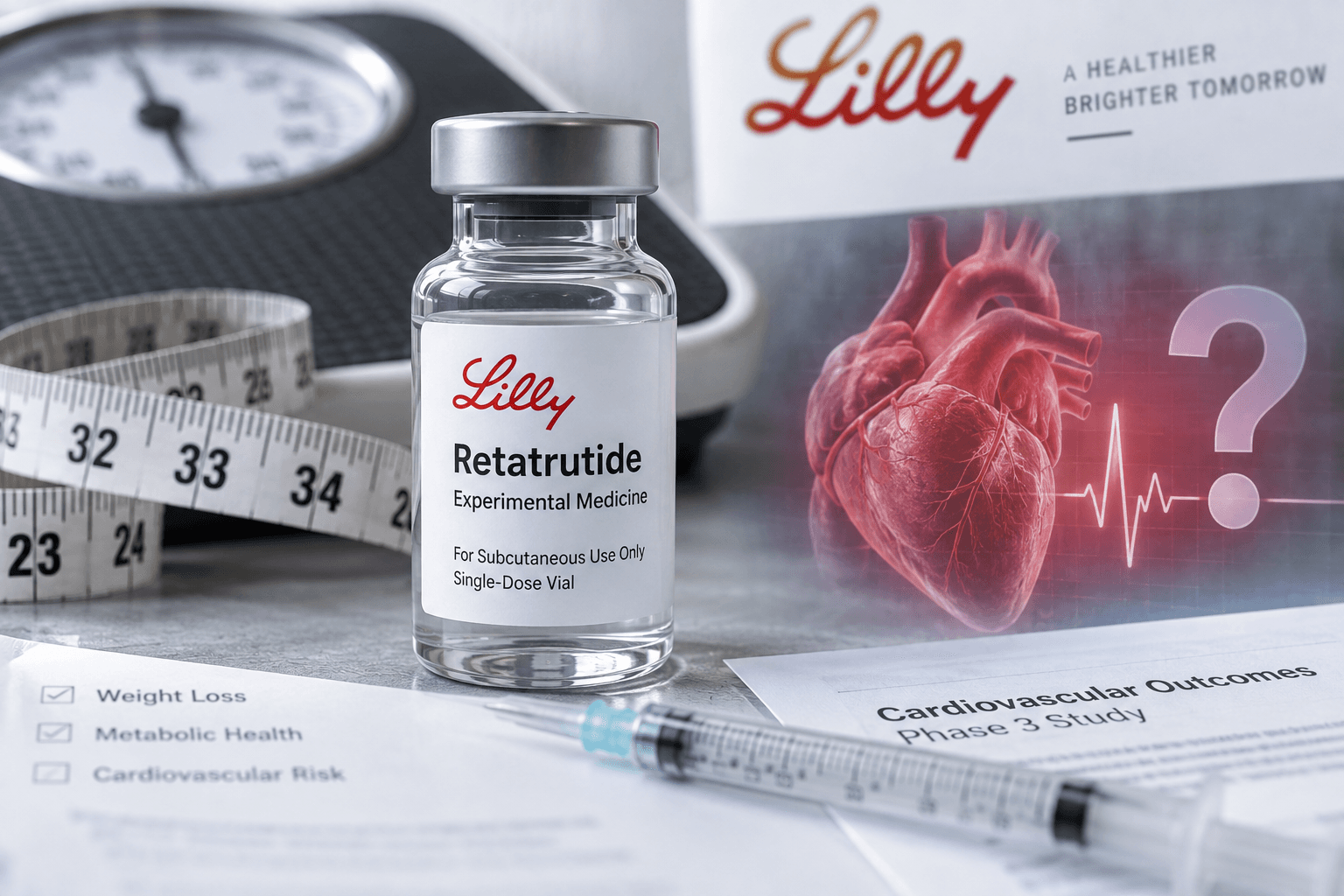
Eli Lilly's Obesity Drug Shows Promise, But Heart Benefits Remain Unclear
Eli Lilly's new obesity drug, retatrutide, has been shown to be highly effective in weight loss, with participants losing 22.6% of their weight after 80 weeks. However, the drug's impact on cardiovascular risk remains unclear due to a lack of statistically significant results in a recent Phase 3 study.
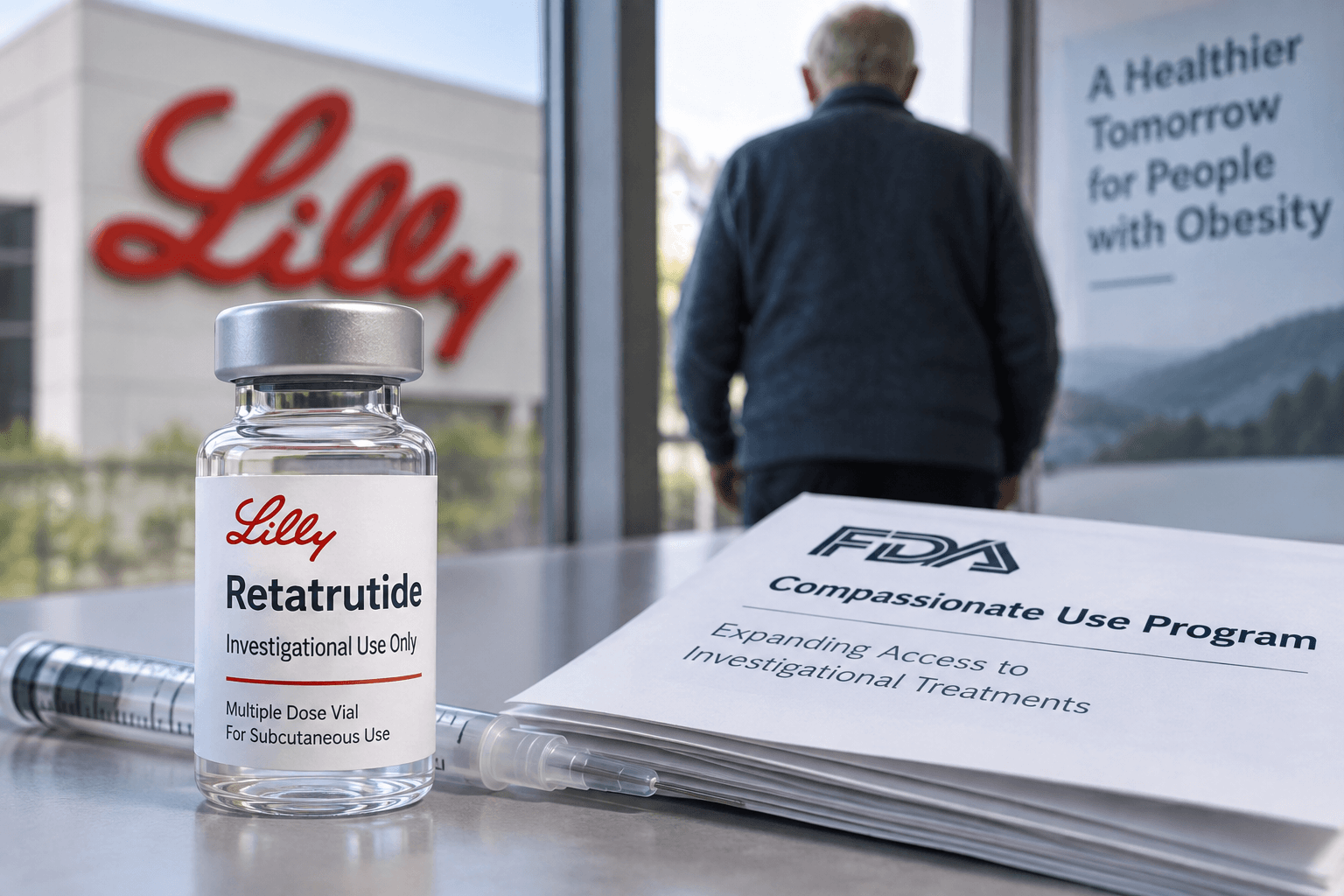
Eli Lilly Grants Access to Experimental Obesity Drug to 79-Year-Old Patient
Eli Lilly has given a 79-year-old patient access to its experimental obesity drug, retatrutide, through the FDA's compassionate use program. The move has raised eyebrows, with sources suggesting the patient may be well-connected. Retatrutide has shown promising results, with weight loss comparable to bariatric surgery.
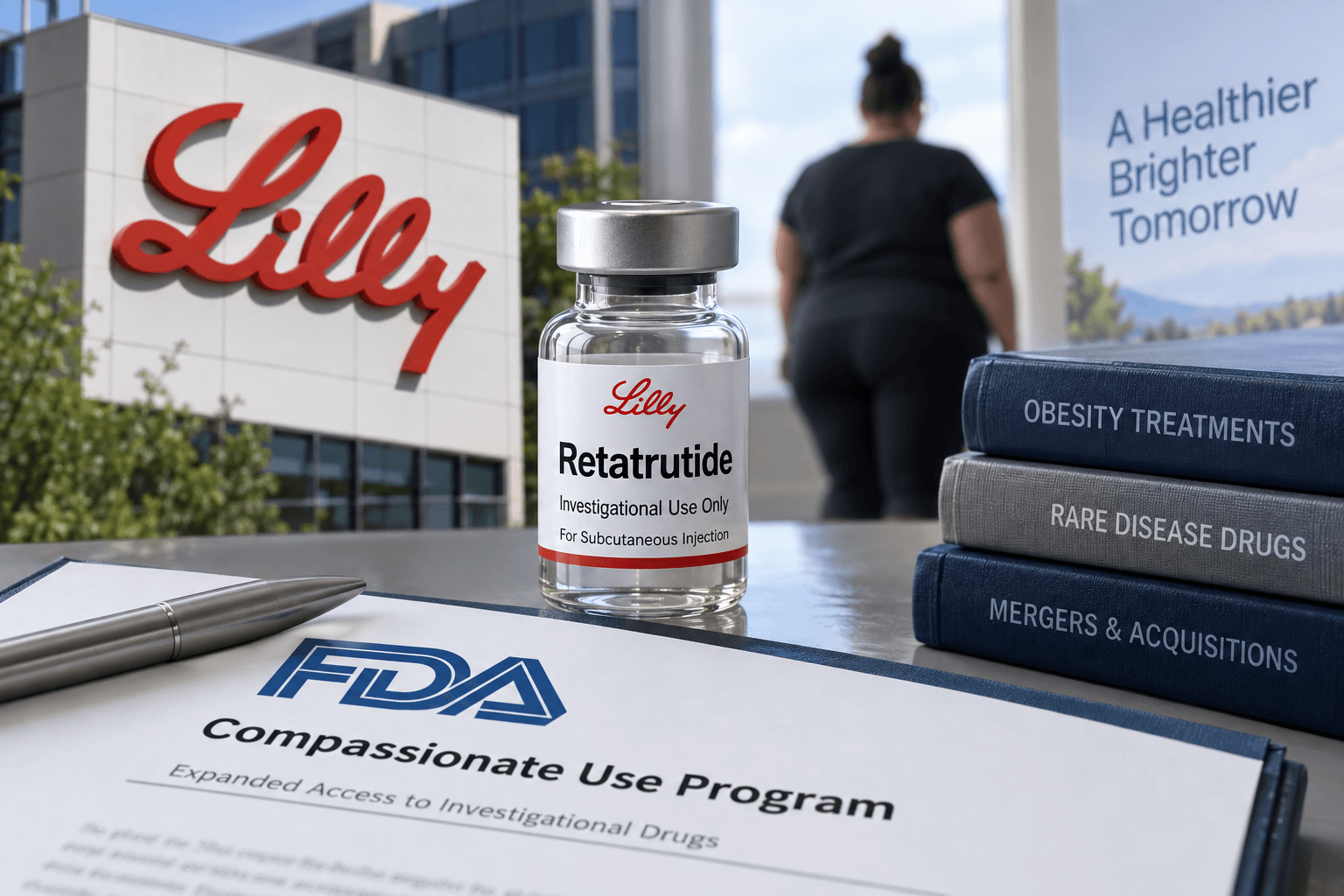
Eli Lilly's Obesity Drug Granted Compassionate Use to One Person
In a rare move, Eli Lilly and the FDA have allowed one person to receive the company's obesity candidate, retatrutide, through the FDA's compassionate use program. This development comes as the pharmaceutical industry sees a resurgence in mergers and acquisitions, with Lilly also showing interest in a hair loss drug.
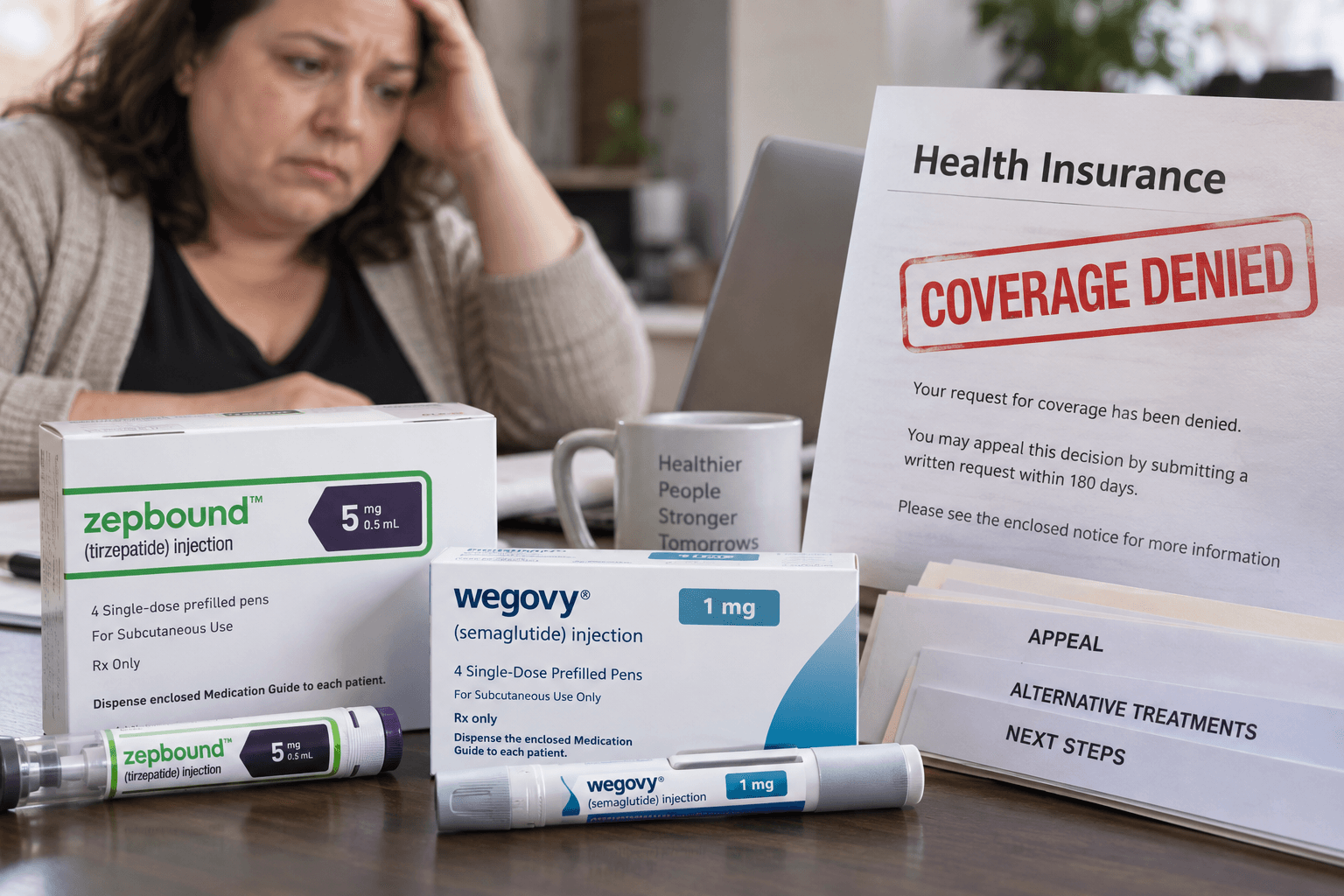
Millions Lose Insurance Coverage for Weight Loss Drugs, Leaving Patients in Limbo
Millions of Americans have lost insurance coverage for weight loss drugs like Zepbound and Wegovy, forcing them to navigate a complex appeals process or seek alternative treatments. Patients and doctors are speaking out about the challenges of accessing these medications, which have been shown to be effective in treating obesity and related conditions.
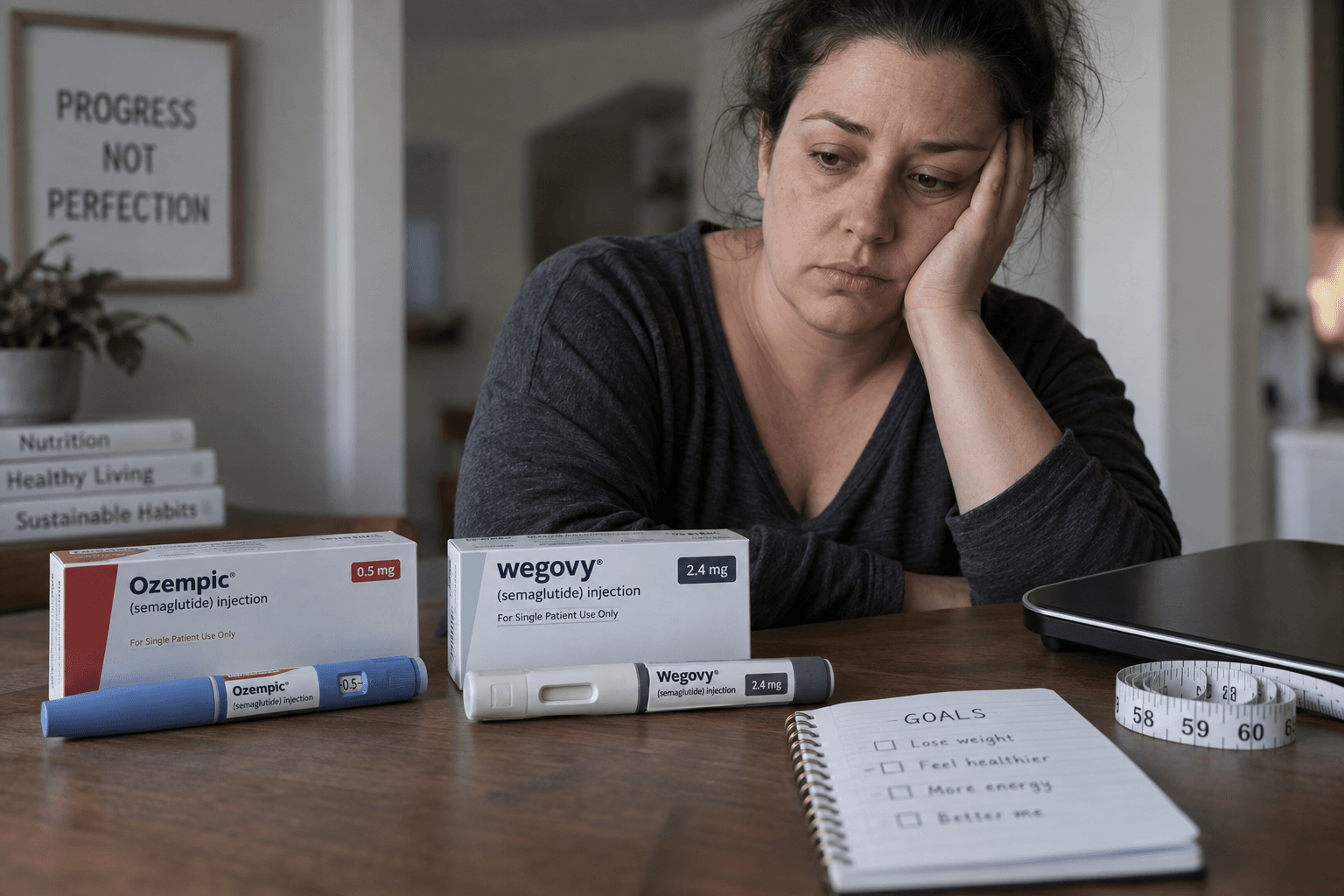
When Weight-Loss Drugs Don't Work: The Struggle for Answers
For some people, the highly touted GLP-1 weight-loss medications, such as Ozempic and Wegovy, don't deliver the promised results. Researchers are working to understand why, as patients face disappointment, shame, and significant financial burdens.