Peptide News

Peptide & GLP-1 News

Tracking retatrutide, semaglutide, tirzepatide, BPC-157, GHK-Cu and the rest of the peptide market — drug approvals, pricing, research and the companies behind them.

GLP-1 Drugs Do Not Change Injection Needs for Diabetic Macular Edema, Study Finds

GLP-1 Drugs Do Not Change Injection Needs for Diabetic Macular Edema, Study Finds

GLP-1 receptor agonists did not significantly change how often patients with diabetic macular edema needed anti-VEGF injections, according to a large retrospective cohort study presented at the American Academy of Ophthalmology meeting in New Orleans. Over 24 months of follow-up, treatment frequency showed no sustained or progressive change after patients started a GLP-1 drug, compared with matched patients who did not. Visual acuity and retinal thickness also held steady. Researchers said the results are reassuring amid ongoing uncertainty about the drugs' eye safety, though they cautioned that more research is needed.

Users Report Harm From Unapproved Peptides as Federal Panel Moves to Loosen Limits

Users Report Harm From Unapproved Peptides as Federal Panel Moves to Loosen Limits

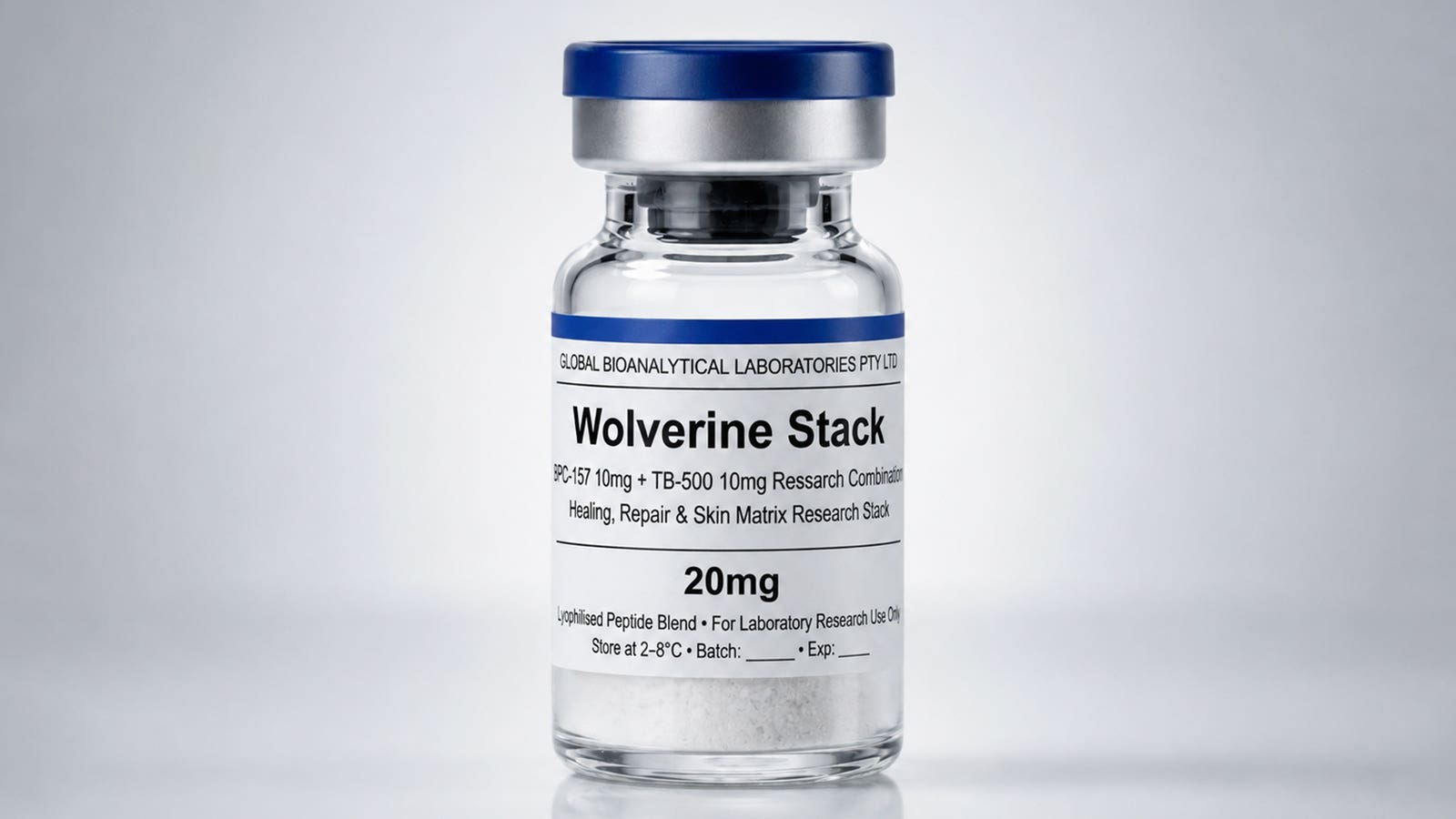
Users of unapproved peptides such as BPC-157 are reporting fatigue, migraines, and other side effects, even as an FDA advisory panel with industry-linked members has voted to ease restrictions on six experimental peptides. The vote went against FDA scientists who found too little evidence that the drugs work. The FDA has not issued a final decision, and clinical data on the drugs remain thin. Health Secretary Robert F. Kennedy Jr. has pushed to lower barriers to peptide use, and many companies could soon drop required warnings that their products are for research only.

Two Deaths Linked to Counterfeit Retatrutide; Novo Nordisk to Drop Saxenda

Two Deaths Linked to Counterfeit Retatrutide; Novo Nordisk to Drop Saxenda

Two recent deaths tied to counterfeit versions of retatrutide, an investigational weight-loss medication, have been reported to the Food and Drug Administration. The reports come as lawsuits against GLP-1 drugs continue, and as Novo Nordisk announced plans to discontinue its weight-loss injectable Saxenda in early 2027 because of declining sales. The World Health Organization also issued its first obesity guidelines for children and adolescents, and researchers released new findings on diabetes, dementia risk in women with PMOS, and a range of other conditions.

Mississippi Medicaid Struggles to Cover Weight Loss Drugs Despite High Obesity Rates

Mississippi Medicaid Struggles to Cover Weight Loss Drugs Despite High Obesity Rates

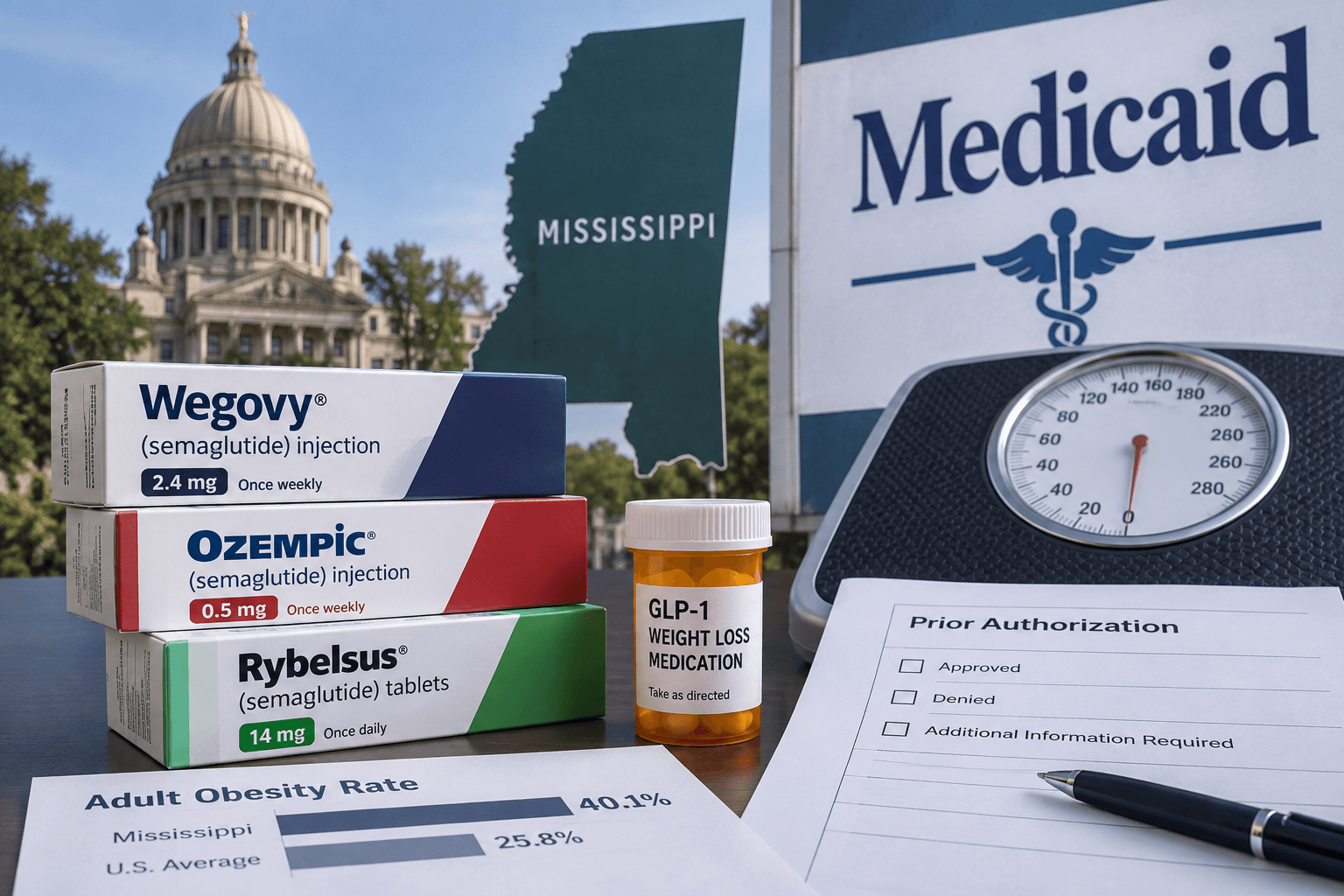
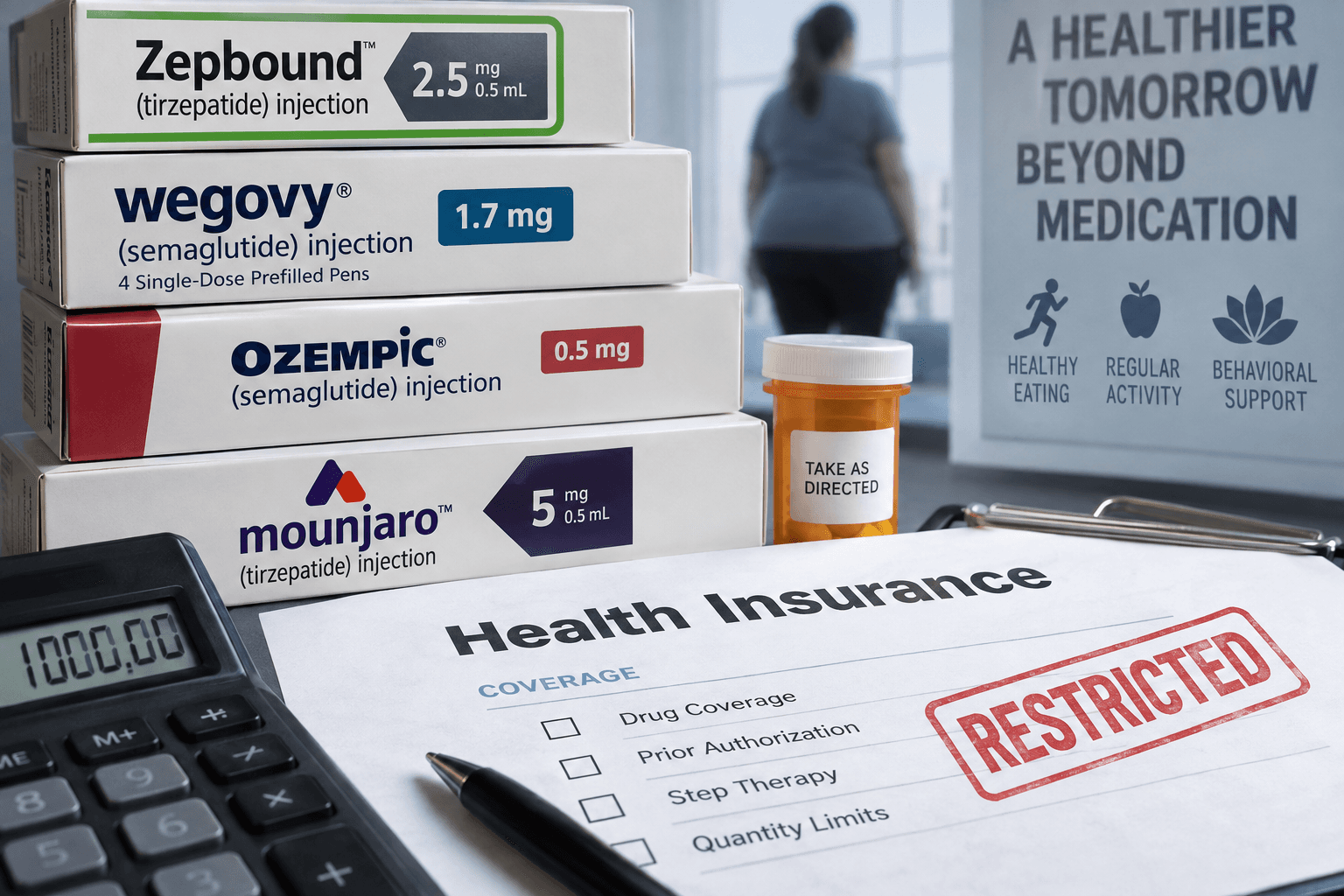
In Mississippi, where obesity rates are among the highest in the country, Medicaid coverage of weight loss drugs known as GLP-1s has been slow to take off due to national drug shortages, prior authorization requirements, and lack of marketing. Only 2% of eligible adults have been prescribed the drugs, which can cost around $1,000 a month.

Medicare to Cover Weight Loss Drugs for $50 a Month

Medicare to Cover Weight Loss Drugs for $50 a Month

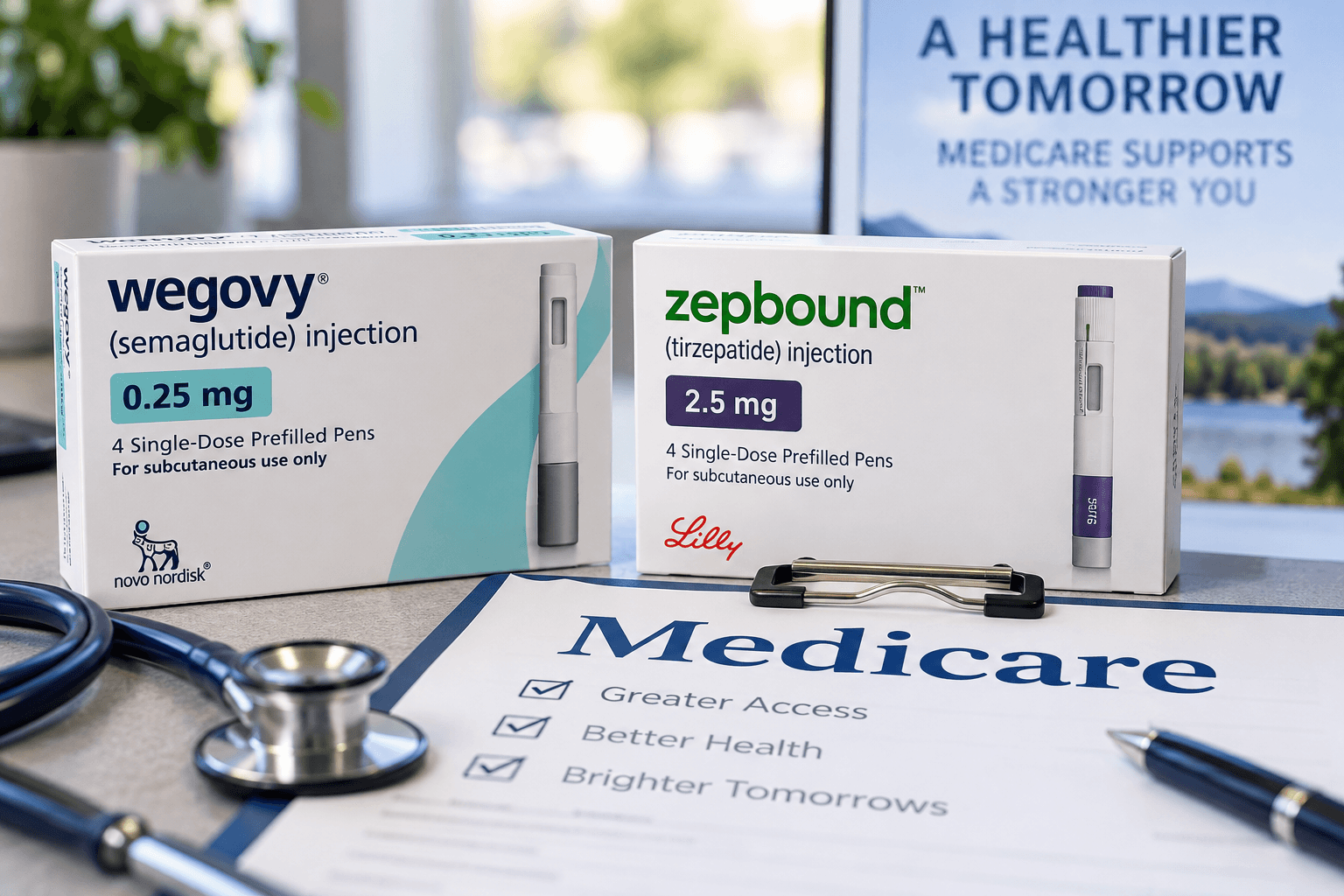
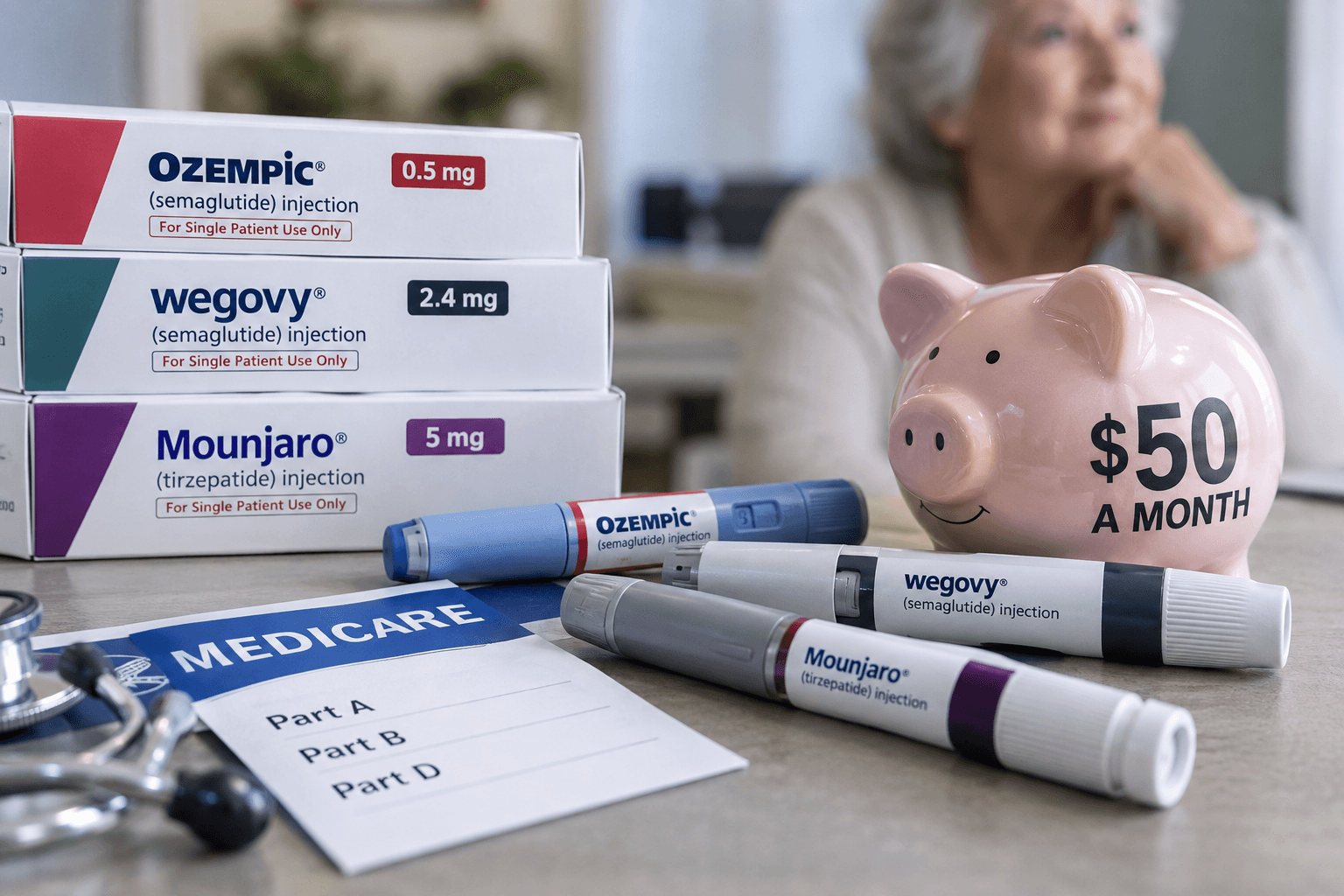
Medicare to cover weight loss drugs like Wegovy and Zepbound for $50 a month under a new pilot program, a significant shift for the healthcare system. The program aims to increase accessibility for older Americans struggling with obesity.

Eli Lilly's Obesity Drug Granted Compassionate Use to One Person

Eli Lilly's Obesity Drug Granted Compassionate Use to One Person

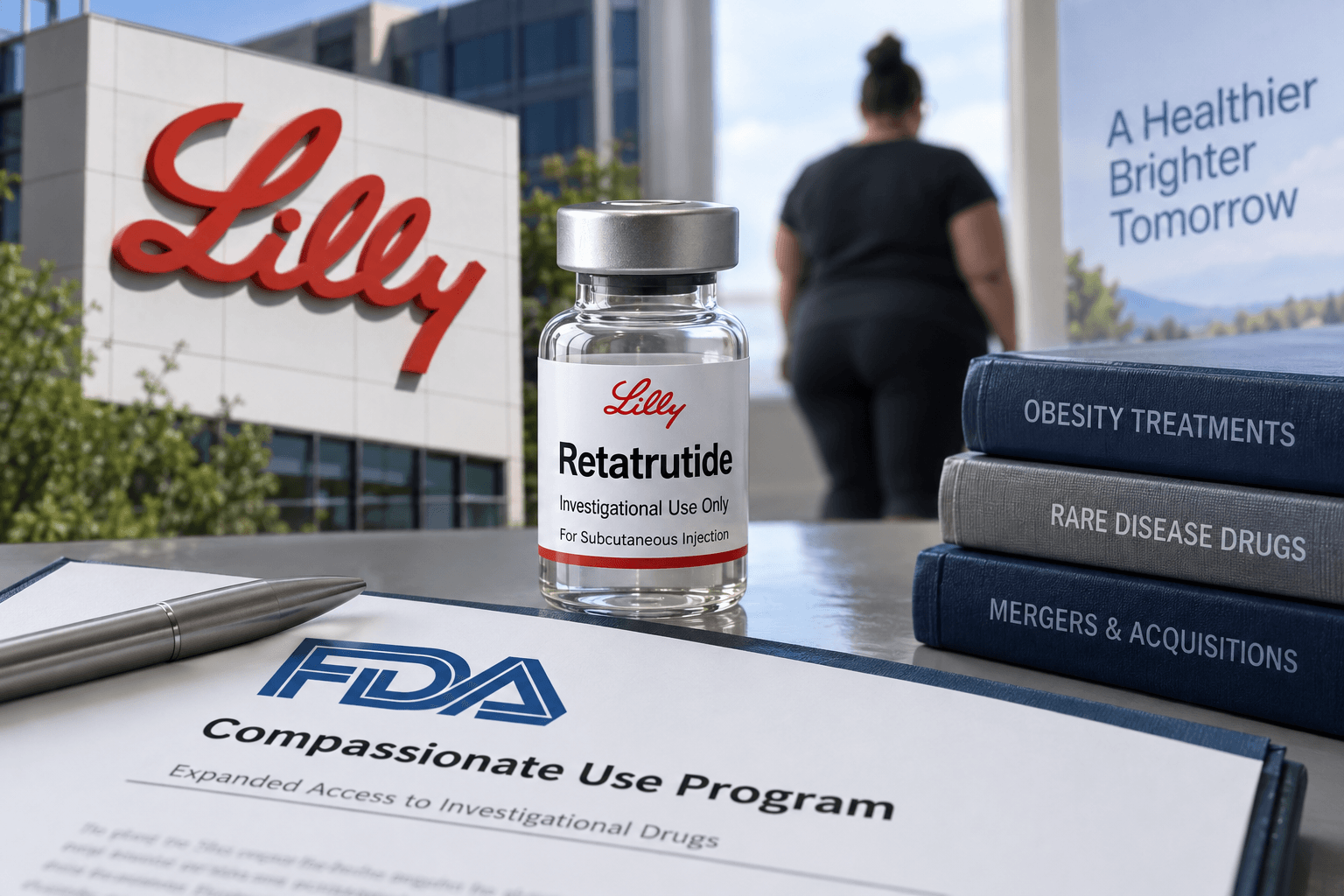
In a rare move, Eli Lilly and the FDA have allowed one person to receive the company's obesity candidate, retatrutide, through the FDA's compassionate use program. This development comes as the pharmaceutical industry sees a resurgence in mergers and acquisitions, with Lilly also showing interest in a hair loss drug.

Medicare to Offer Cheaper GLP-1 Weight Loss Medications to Seniors

Medicare to Offer Cheaper GLP-1 Weight Loss Medications to Seniors

A new pilot program will allow some Medicare recipients to access GLP-1 weight loss medications for $50 a month, potentially helping millions of older adults who struggle with obesity. The program, set to launch on July 1, will cover three drugs and be available to those with Medicare Part D who meet certain conditions.