Medicare's GLP-1 'Bridge' Program May Limit Access to Weight Loss Drugs
Medicare's new 'Bridge' program aims to make GLP-1 weight loss medications more affordable, but its complex eligibility criteria and administrative burdens may limit access for patients. The program, which offers discounted access to medications like Wegovy and Zepbound, requires extensive documentation and prior authorizations, which can delay treatment and increase staff workload.
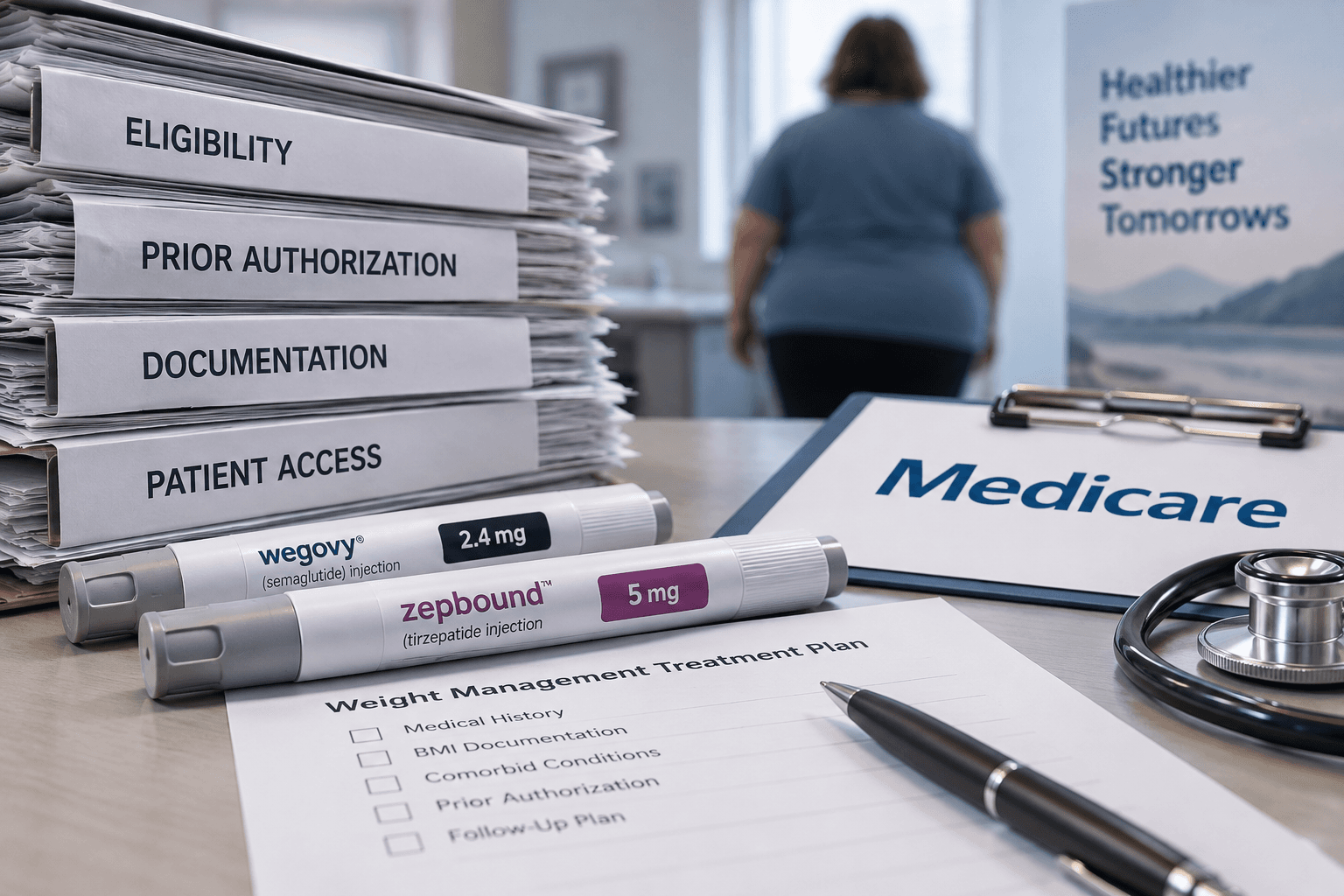
- Medicare's 'Bridge' program offers discounted access to GLP-1 weight loss medications
- Eligibility criteria are complex and may limit access for patients
- Administrative burdens on clinicians can delay treatment and increase staff workload
- Patients may face confusion, uncertainty about eligibility, and interruptions in access to therapy
- Simplifying eligibility criteria and reducing documentation burdens could improve access
Medicare's Bridge program aims to provide discounted access to GLP-1 weight loss drugs, but its complex process may limit access for many patients
In Venice, Italy, the fabled Bridge of Sighs spans a narrow canal, its small stone-barred windows once offering prisoners a final glimpse of freedom as they were escorted to their cells. The name reflects their resignation, the quiet exhale of those who knew what awaited them. For many primary care physicians, a similar sigh now accompanies the start of Medicare’s “Bridge” program, which promises discounted access to the GLP-1 weight loss medications like Semaglutide Wegovy, Zepbound, and Foundayo.
How does Medicare's Bridge program affect access to weight loss drugs?
Despite its admirable goal — making highly effective treatments more affordable — the program risks doing the opposite by creating a complex, burdensome process that could limit access in practice. As of July 1, eligible Medicare beneficiaries may obtain these medications for a sharply discounted out-of-pocket cost of $50 per month. That is the headline many patients will hear and remember.
What follows, however, is far more complicated. Eligibility depends on a detailed checklist of body mass index thresholds, specific combinations of chronic conditions, and prior treatment histories. Many patients will not absorb these details, and many clinics will need time and effort to interpret them. The Bridge program was intended to lead to Balance — a future in which GLP‑1 therapies are fully integrated into Medicare Part D coverage and accessible to the millions of beneficiaries who could benefit from them.
What are the administrative burdens of the Bridge program?
The program places substantial administrative burden on clinicians, requiring extensive documentation, prior authorizations, appeals, and time-consuming navigation of evolving coverage rules. For already overextended physician practices, these requirements can translate into delays in treatment, increased staff workload, and frustration for both providers and patients. Beneficiaries, many of whom are older adults managing multiple chronic conditions, may face confusion, uncertainty about eligibility, and interruptions in access to therapy.
Clinicians and patients who struggle through this interim process may become less inclined to advocate for its expansion, while policymakers may see lower uptake as a sign of limited demand rather than evidence of operational shortcomings. Even before Bridge, the introduction of the current generation of GLP-1 medications for weight loss has brought prescribing challenges as profound as the medications’ remarkable efficacy. And the gap between promise and reality with GLP-1s has landed squarely on primary care.
Prescription requests continue to surge, and determining eligibility requires careful chart review, documentation, and patient communication. Insurance coverage rules keep changing and supply chain issues persist. What may appear to patients as a simple prescription often initiates a lengthy process involving verification of body mass index criteria, assessment of obesity-related comorbidities, documentation of prior weight-management efforts, submission of insurer-specific paperwork, and repeated follow-up when requests are denied or delayed.
The Administrative Burden
Clinicians must also spend considerable time counseling patients about expected benefits, potential adverse effects, medication titration schedules, and the likelihood of long-term treatment to maintain weight loss. When medications are unavailable because of shortages or become unaffordable because of coverage changes, practices are left managing patient frustration, identifying alternatives, and revising treatment plans. As a result, the administrative workload associated with GLP‑1 prescribing often rivals the clinical work itself, stretching already limited primary care resources and diverting attention from other critical aspects of chronic disease management.
Each step introduces friction — points where patients may be delayed, confused, or lost in the process entirely. Programs that are difficult to navigate tend to benefit those with time, health literacy, and persistent advocacy while leaving behind those who are already at risk of poorer outcomes. A benefit that exists on paper is altogether different from access in practice. For clinicians, the burden is also real. Primary care is already stretched thin, managing rising patient complexity alongside mounting administrative demands.
Many practices will absorb this new Bridge workload, driven, as always, by a commitment to their patients. But that commitment is not an unlimited resource. Each additional administrative layer adds to the strain on a specialty already facing workforce shortages, burnout, and declining morale. Faced with these demands, some private practices may decide that participation in the Bridge program is simply not sustainable.
Rather than dedicating scarce staff time to eligibility verification, application processing, appeals, and ongoing coverage management, they may adopt policies that limit or decline assistance with Bridge enrollment altogether. Patients could be directed to manufacturer support programs, specialty obesity clinics, telehealth services, or self-navigation resources instead. While such decisions may be understandable from an operational standpoint, they risk creating a two-tier system in which access depends not only on medical need but also on a practice’s administrative capacity.
Beneficiaries who lack the health literacy, time, or resources to navigate the program independently may find themselves effectively excluded, despite qualifying for treatment. In this way, the burden imposed on practices can become a barrier to care for the very patients the program is intended to help. Simplifying eligibility criteria, reducing documentation burdens, eliminating unnecessary prior authorization requirements, and ultimately drug price deflation would help ensure that this well-intentioned policy delivers on its promise.
FAQ
- What is the out-of-pocket cost of GLP-1 weight loss medications under the Bridge program?
- $50 per month
Read next
Medicare's GLP-1 Discount Program Leaves Many Patients Behind
A new Medicare pilot program offers discounted GLP-1 medications for weight loss, but millions of patients are excluded due to pre-existing medical conditions, leaving them with unaffordable treatment options.
Medicare to Offer Cheaper GLP-1 Weight Loss Medications to Seniors
A new pilot program will allow some Medicare recipients to access GLP-1 weight loss medications for $50 a month, potentially helping millions of older adults who struggle with obesity. The program, set to launch on July 1, will cover three drugs and be available to those with Medicare Part D who meet certain conditions.
Medicare to Cover Weight Loss Drugs for $50 a Month
Medicare to cover weight loss drugs like Wegovy and Zepbound for $50 a month under a new pilot program, a significant shift for the healthcare system. The program aims to increase accessibility for older Americans struggling with obesity.
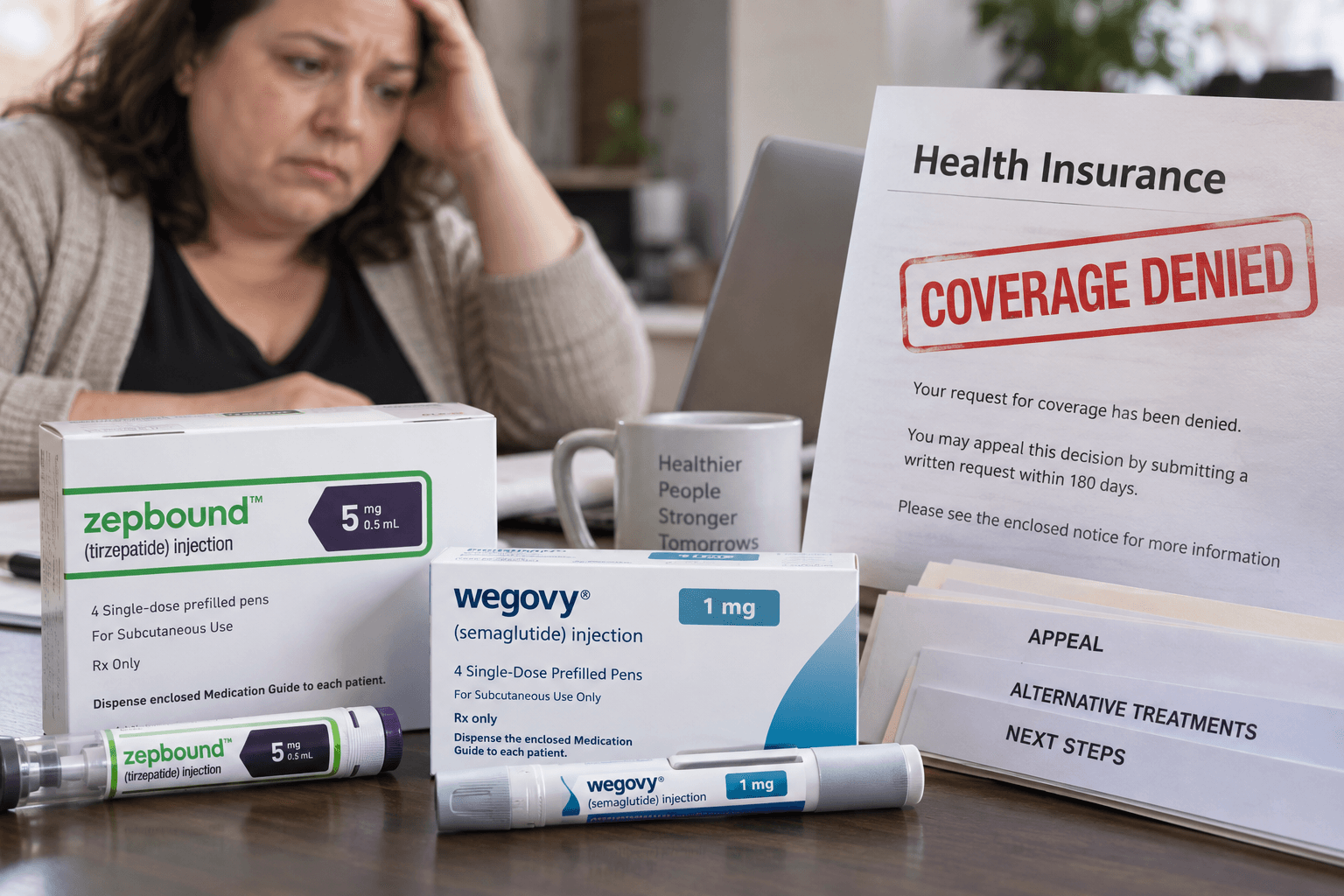
Millions Lose Insurance Coverage for Weight Loss Drugs, Leaving Patients in Limbo
Millions of Americans have lost insurance coverage for weight loss drugs like Zepbound and Wegovy, forcing them to navigate a complex appeals process or seek alternative treatments. Patients and doctors are speaking out about the challenges of accessing these medications, which have been shown to be effective in treating obesity and related conditions.

Insurers Struggle with Soaring GLP-1 Drug Costs, Seek to Wean Patients Off
With list prices of roughly $1,000 a month, public and private payers are struggling to keep up with ballooning demand for GLP-1 weight loss drugs, leading some to restrict coverage or explore 'deprescription' to taper patients off the medication.