Novo Nordisk Sues Eli Lilly Over 'Deceptive' GLP-1 Drug Ads
Novo Nordisk has sued Eli Lilly, alleging the company's ad campaign for its obesity and diabetes drugs is 'deceptive' and uses 'outdated clinical trials' to make them appear more effective. The lawsuit, filed in federal court in New Jersey, claims Lilly is comparing high doses of its drugs to lower doses of Novo's similar medications.
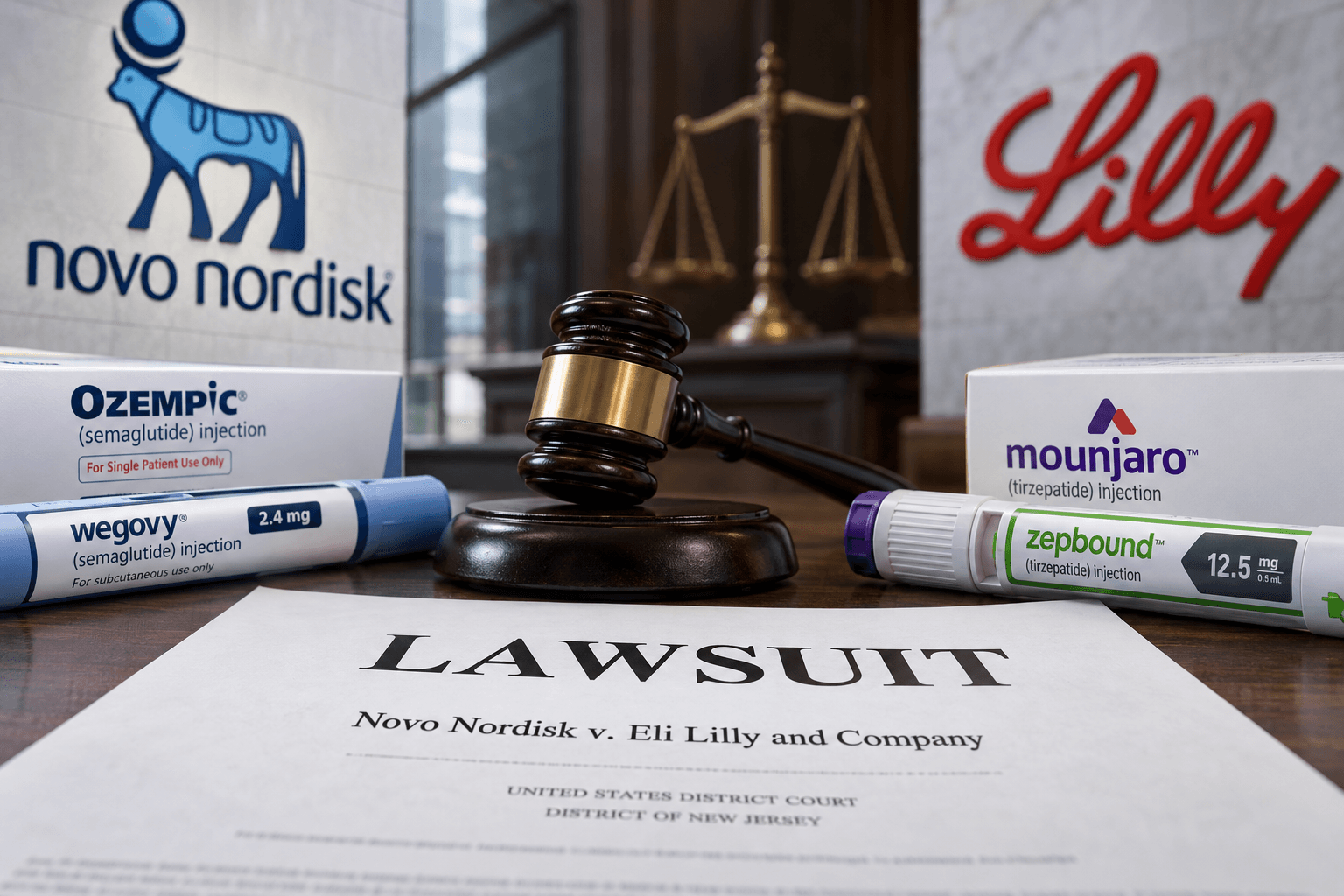
- Novo Nordisk has sued Eli Lilly over 'deceptive' ad campaign for obesity and diabetes drugs
- Lawsuit claims Lilly is comparing high doses of its drugs to lower doses of Novo's similar medications
- Dispute centers on GLP-1 drugs, including Ozempic and Wegovy
- Novo claims Lilly is using outdated clinical trials to make its drugs appear more effective
- Outcome of lawsuit uncertain, but stakes are high in lucrative GLP-1 market
What is the dispute between Novo Nordisk and Eli Lilly about?
Novo Nordisk has taken Eli Lilly to court, accusing the company of running a 'deceptive' ad campaign for its obesity and diabetes drugs. In a lawsuit filed in federal court in New Jersey, Novo argues that Lilly is comparing the highest doses of its weight loss drug Zepbound and diabetes drug Mounjaro with lower doses of Novo's Wegovy and Ozempic.
How is Eli Lilly marketing its GLP-1 drugs?
The move marks a new phase in one of the pharmaceutical industry's most intense rivalries. At the heart of the dispute is the way Lilly is marketing its GLP-1 drugs, which Novo claims is misleading consumers. 'What has brought us to this moment is what we now see as a nationwide pattern, by Lilly, of deceptive advertising. They are intentionally confusing consumers,' said John Kuckelman, Novo's general counsel and senior vice president, in an interview.
GLP-1 drugs, including Ozempic and Wegovy, have been highly successful for Novo, and the company is keen to protect its market share. The lawsuit is the latest salvo in a battle that has been raging between the two companies for some time. Novo's drugs contain the active ingredient semaglutide, a type of GLP-1 peptide, while Lilly's Mounjaro contains the active ingredient tirzepatide.
The dispute centers on the way Lilly is comparing its drugs to Novo's. According to the lawsuit, Lilly is using outdated clinical trials to make its drugs appear more effective. Novo claims this is 'deceptive' and is seeking to stop Lilly from continuing the ad campaign.
The outcome of the lawsuit is uncertain, but it is clear that the stakes are high. The GLP-1 market is highly lucrative, and both companies are keen to establish themselves as leaders in the field. As the case progresses, it will be worth watching to see how the court rules on the issue of 'deceptive' advertising and what impact this has on the pharmaceutical industry as a whole.
FAQ
- What is at the heart of the dispute between Novo Nordisk and Eli Lilly?
- The way Lilly is marketing its GLP-1 drugs
Read next

GLP-1 Drugs Shift Focus from Obesity Treatment to Lifestyle Enhancement
GLP-1 drugs, once primarily marketed as obesity treatments, are now being promoted as lifestyle enhancers, with companies like Novo Nordisk rebranding their products to appeal to a broader consumer base, using slogans like 'Live lighter' and 'Summer Glow Up'
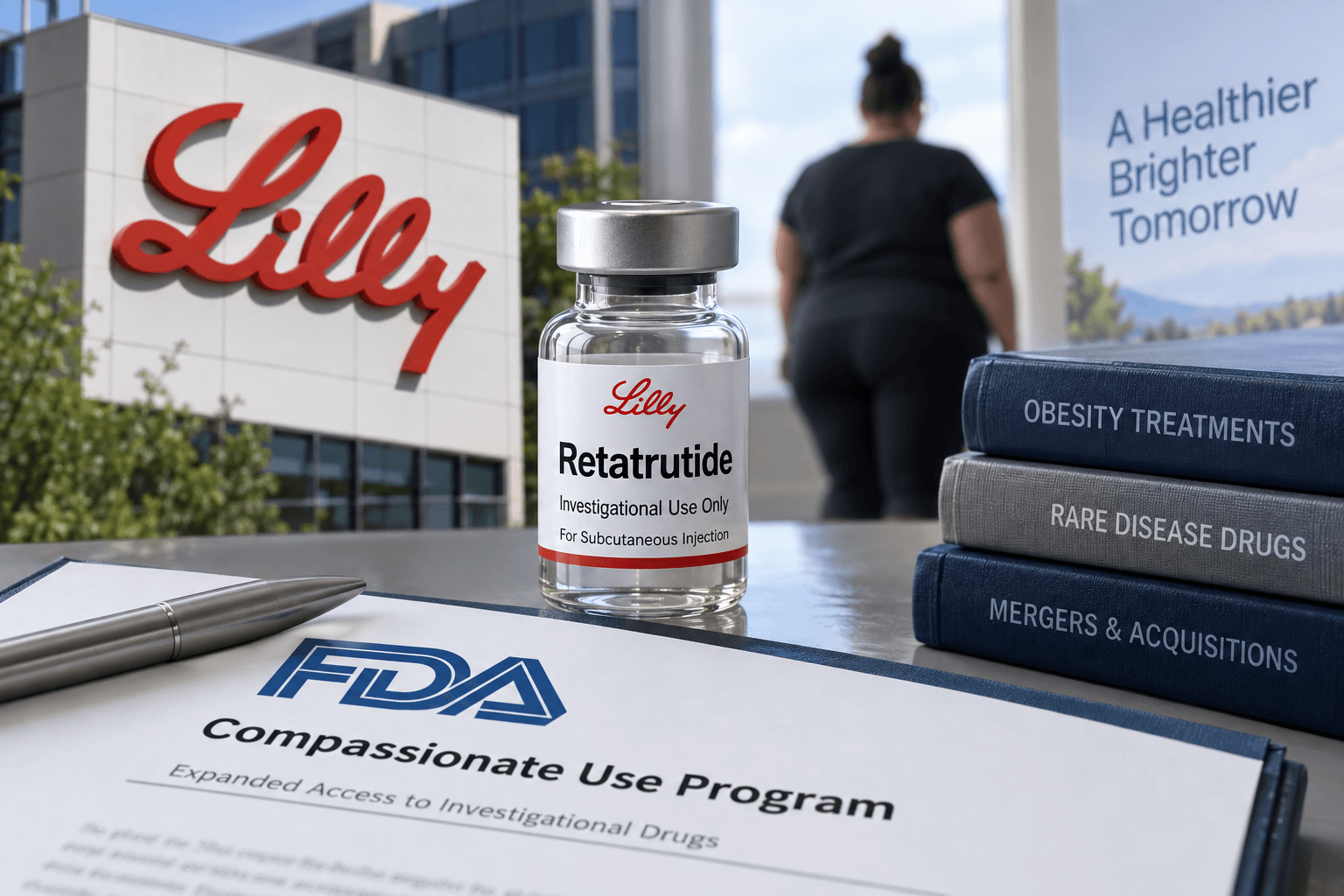
Eli Lilly's Obesity Drug Granted Compassionate Use to One Person
In a rare move, Eli Lilly and the FDA have allowed one person to receive the company's obesity candidate, retatrutide, through the FDA's compassionate use program. This development comes as the pharmaceutical industry sees a resurgence in mergers and acquisitions, with Lilly also showing interest in a hair loss drug.
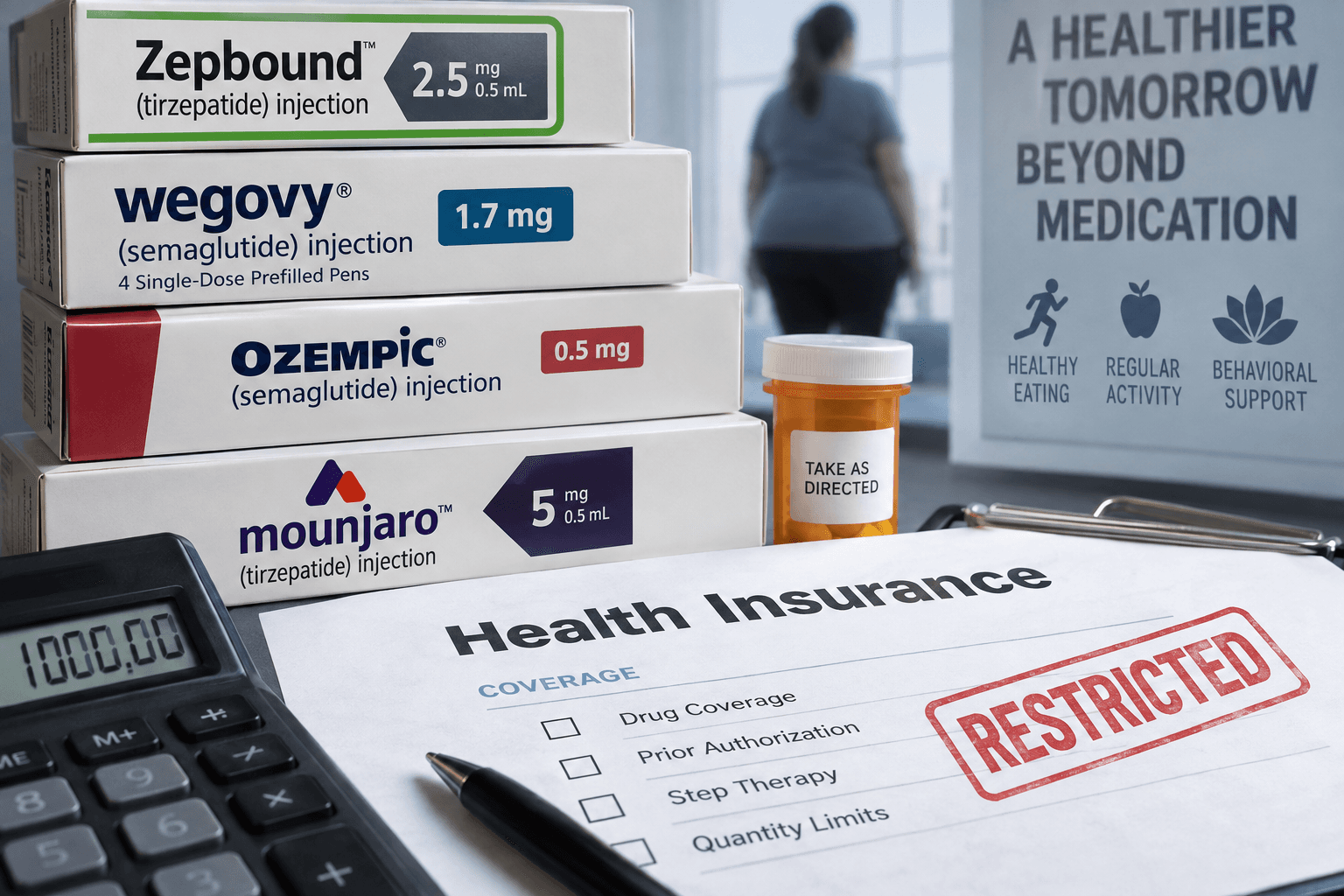
Insurers Struggle with Soaring GLP-1 Drug Costs, Seek to Wean Patients Off
With list prices of roughly $1,000 a month, public and private payers are struggling to keep up with ballooning demand for GLP-1 weight loss drugs, leading some to restrict coverage or explore 'deprescription' to taper patients off the medication.
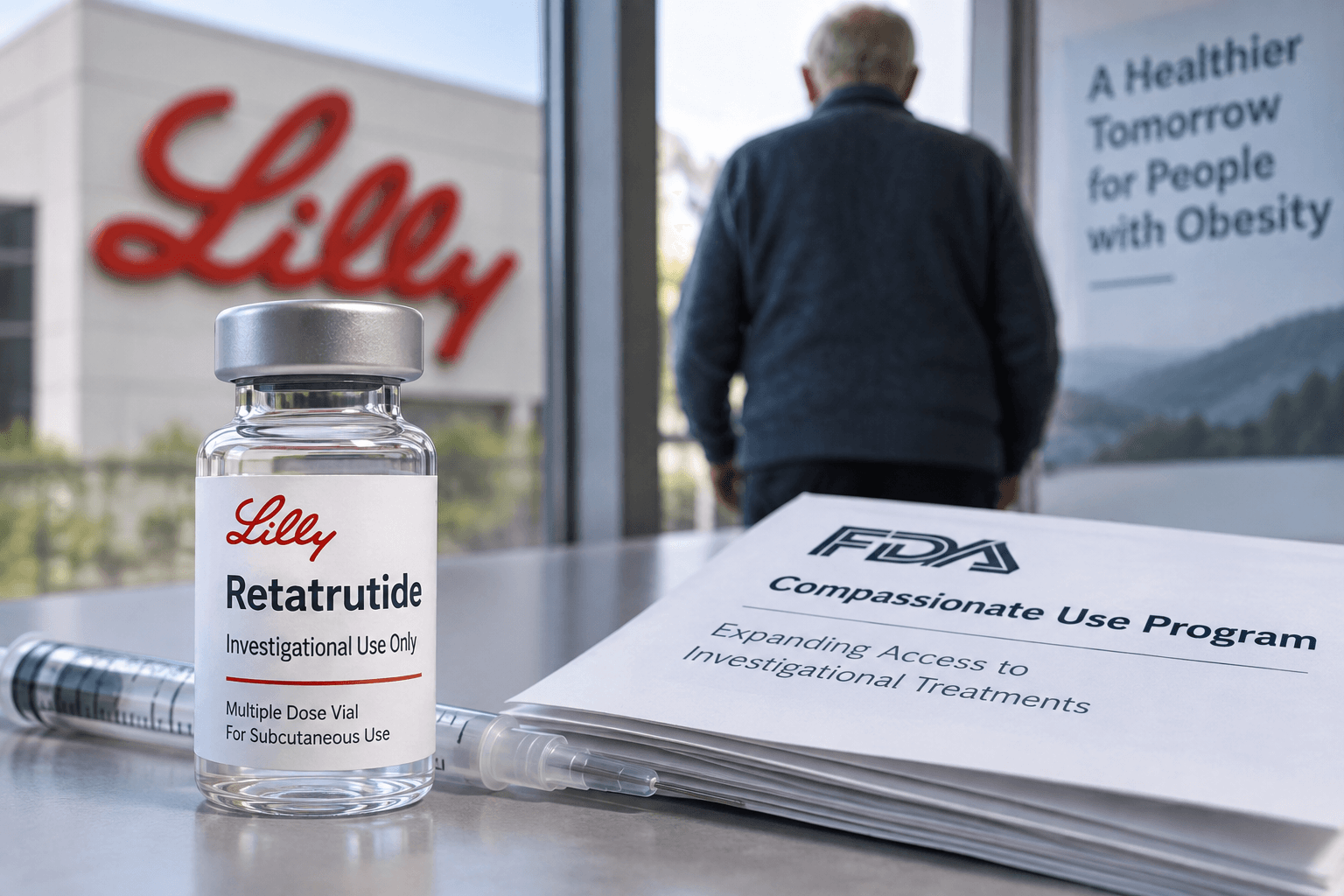
Eli Lilly Grants Access to Experimental Obesity Drug to 79-Year-Old Patient
Eli Lilly has given a 79-year-old patient access to its experimental obesity drug, retatrutide, through the FDA's compassionate use program. The move has raised eyebrows, with sources suggesting the patient may be well-connected. Retatrutide has shown promising results, with weight loss comparable to bariatric surgery.
Eli Lilly's Obesity Drug Shows Promise, But Heart Benefits Remain Unclear
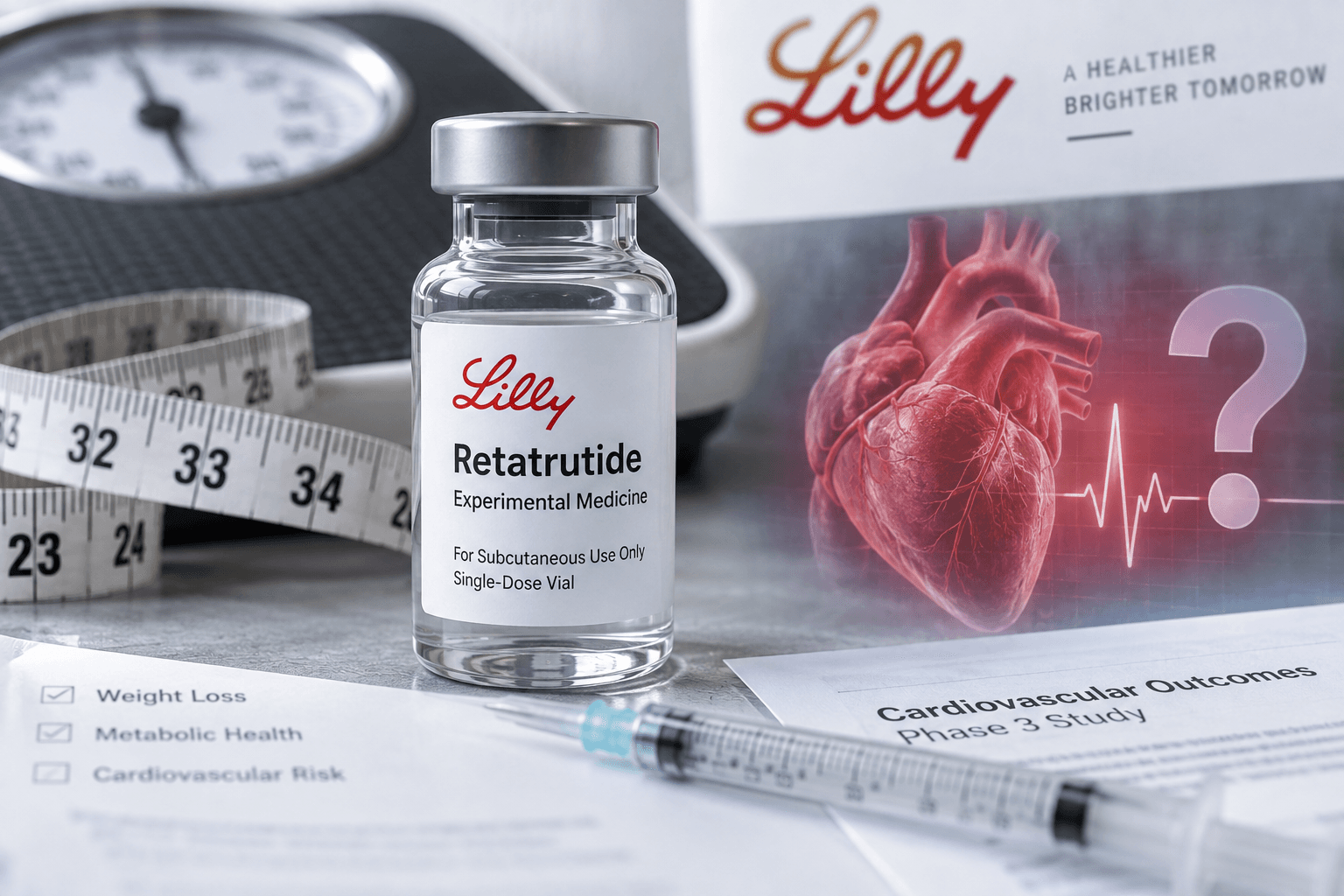
Eli Lilly's new obesity drug, retatrutide, has been shown to be highly effective in weight loss, with participants losing 22.6% of their weight after 80 weeks. However, the drug's impact on cardiovascular risk remains unclear due to a lack of statistically significant results in a recent Phase 3 study.