Medicare to Cover Weight Loss Drugs for $50 a Month
Medicare to cover weight loss drugs like Wegovy and Zepbound for $50 a month under a new pilot program, a significant shift for the healthcare system. The program aims to increase accessibility for older Americans struggling with obesity.
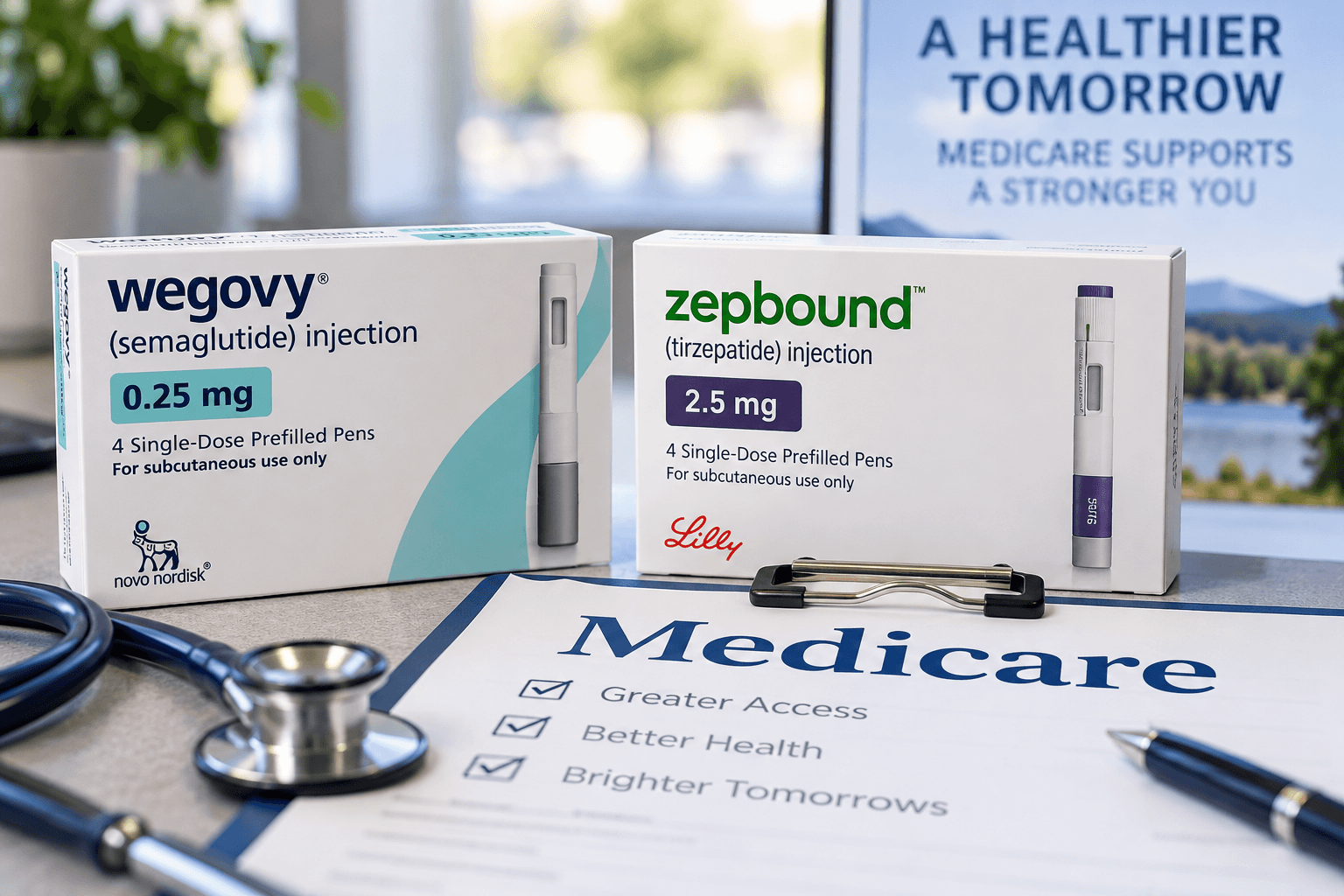
- Medicare to cover weight loss drugs like Wegovy and Zepbound for $50 a month
- Pilot program runs from July 1, 2026, to December 31, 2027
- Eligibility based on body mass index and health status
- Prior authorization required through a central system
- Cost savings could make drugs more accessible to patients
- Caveats include $50 copay not counting toward deductible or out-of-pocket cap
- Program may be expensive for Medicare due to heavy subsidization
What is the Medicare GLP-1 Bridge program?
Medicare beneficiaries may soon have access to a new weight loss treatment option. Starting in July, a pilot program known as the Medicare GLP-1 Bridge will offer coverage for certain GLP-1 medications like Tirzepatide, such as Semaglutide, including Wegovy and Zepbound, for a flat $50 copayment.
The initiative, announced by the Centers for Medicare & Medicaid Services, is a short-term program designed to bridge the gap before a potential longer-term program in 2028. To be eligible, beneficiaries must be enrolled in a Medicare Part D plan and meet specific clinical guidelines, including a body mass index of 27 or higher and a qualifying health condition.
How does the GLP-1 Bridge program work?
The program works differently than traditional Medicare benefits. Instead of going through the regular Part D plan, beneficiaries will need prior authorization, which will be submitted to a central system run by CMS contractor Humana. Once approved, patients will pay the $50 copayment at the pharmacy.
What are the benefits and drawbacks of the GLP-1 Bridge program?
The cost savings could be significant, making these drugs more accessible to patients who previously couldn't afford them. Even with discounts, the prices can be daunting without insurance coverage. The Bridge program offers a predictable $50 copayment that does not increase with dosage.
However, there are caveats. The $50 copay will not count toward the Part D deductible or the annual out-of-pocket cap on prescription drug costs. The pilot program will also end in December 2027, and most studies have shown that many people who stop using the GLP-1 drugs regain weight they lost while taking them.
For those with low incomes, the $50 copay could still be a significant financial barrier. Beneficiaries who receive the low-income subsidy, also known as the Medicare Extra Help program, cannot use that assistance for the drugs covered by the GLP-1 Bridge program.
The program's extension until December 2027 will give insurance companies more time to negotiate with the Trump administration, but it will also be expensive for Medicare, as the program heavily subsidizes the cost of the drugs.
The cost to Medicare will depend largely on how many people use the Bridge program. With close to 14 million Medicare beneficiaries estimated to be overweight or obese, the program's impact could be substantial.
FAQ
- What is the cost of GLP-1 weight loss drugs under the Medicare Bridge program?
- $50/month
- What are the eligibility requirements for the Medicare GLP-1 Bridge program?
- Beneficiaries must be enrolled in a Medicare Part D plan and meet specific clinical guidelines
Read next
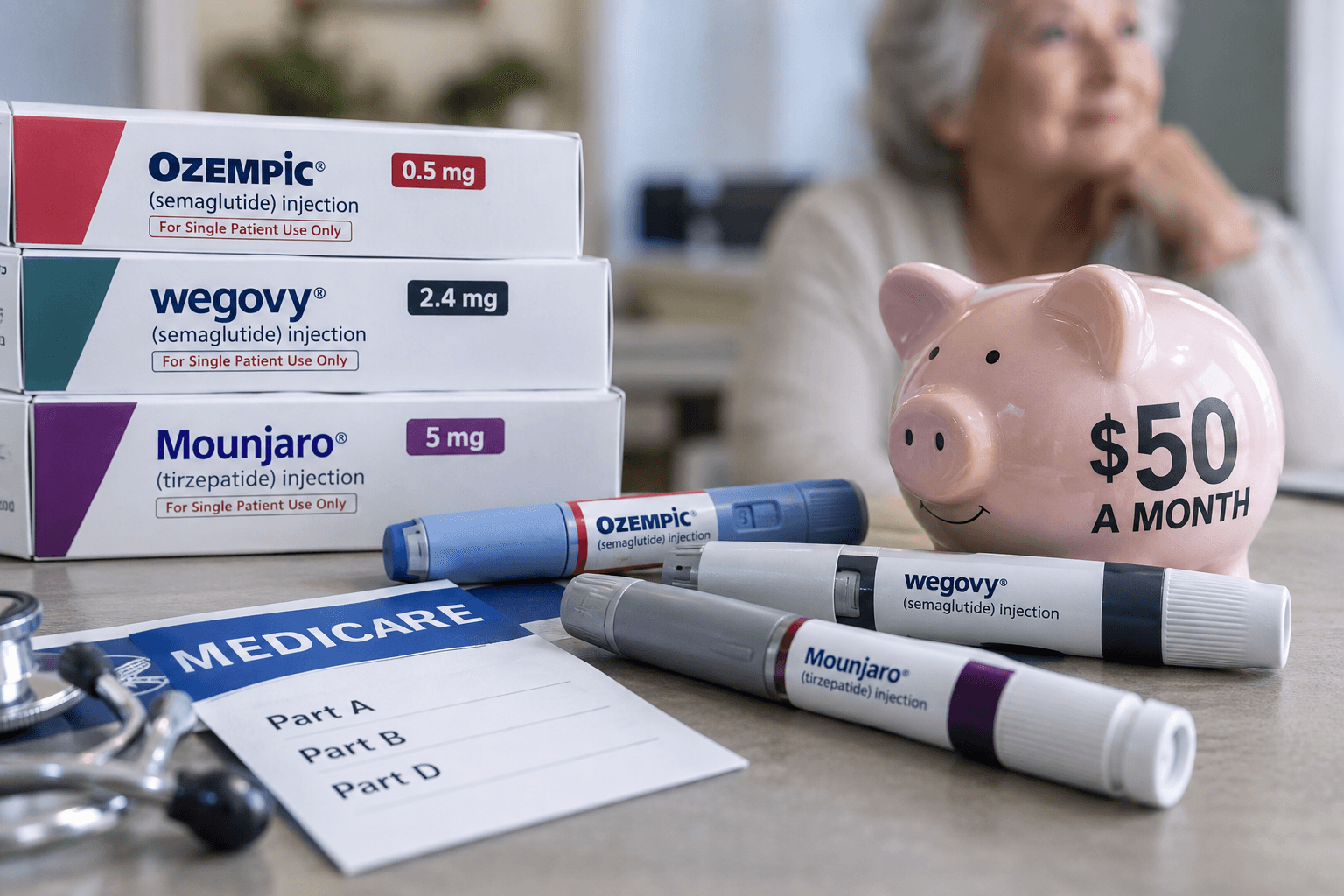
Medicare to Offer Cheaper GLP-1 Weight Loss Medications to Seniors
A new pilot program will allow some Medicare recipients to access GLP-1 weight loss medications for $50 a month, potentially helping millions of older adults who struggle with obesity. The program, set to launch on July 1, will cover three drugs and be available to those with Medicare Part D who meet certain conditions.
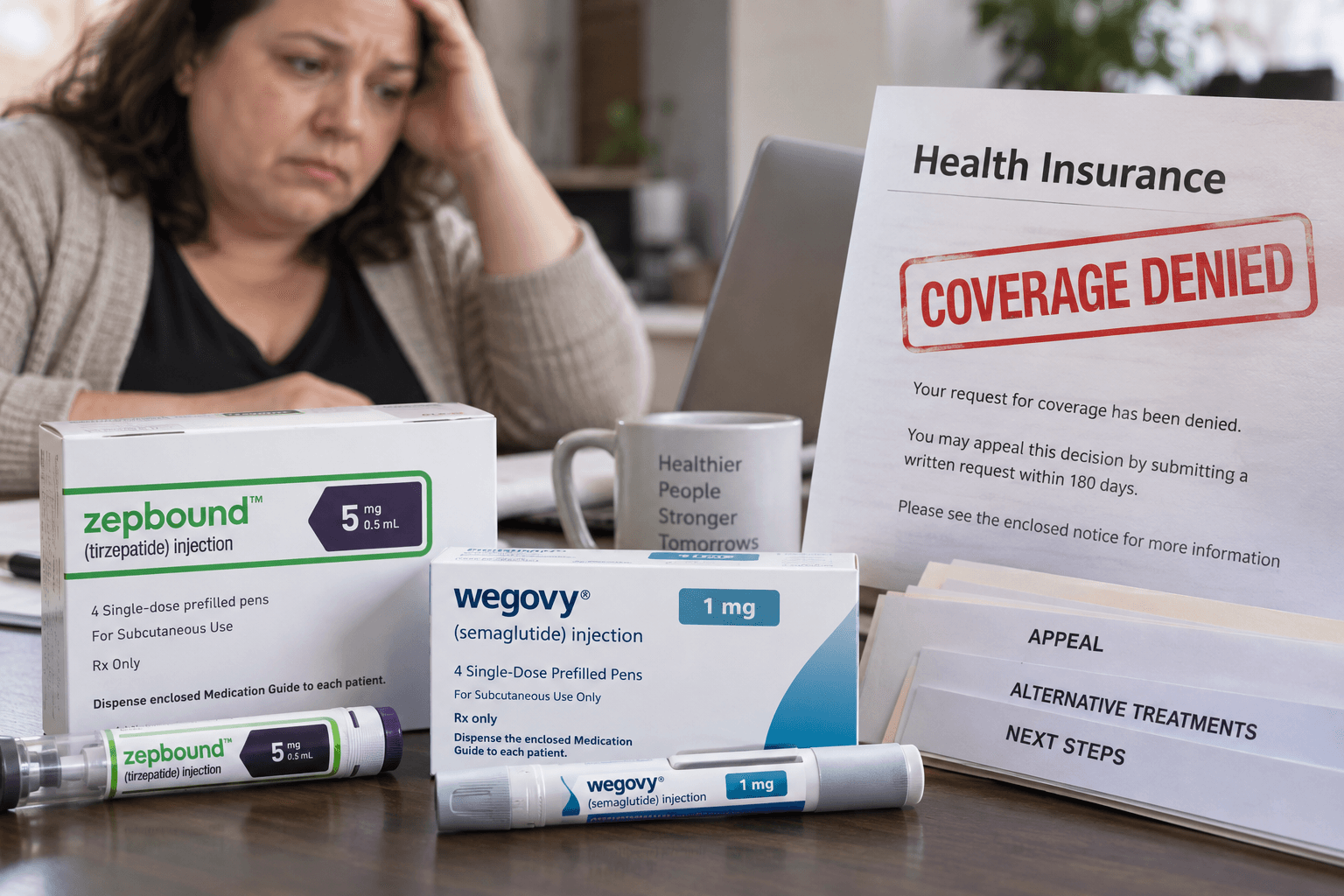
Millions Lose Insurance Coverage for Weight Loss Drugs, Leaving Patients in Limbo
Millions of Americans have lost insurance coverage for weight loss drugs like Zepbound and Wegovy, forcing them to navigate a complex appeals process or seek alternative treatments. Patients and doctors are speaking out about the challenges of accessing these medications, which have been shown to be effective in treating obesity and related conditions.
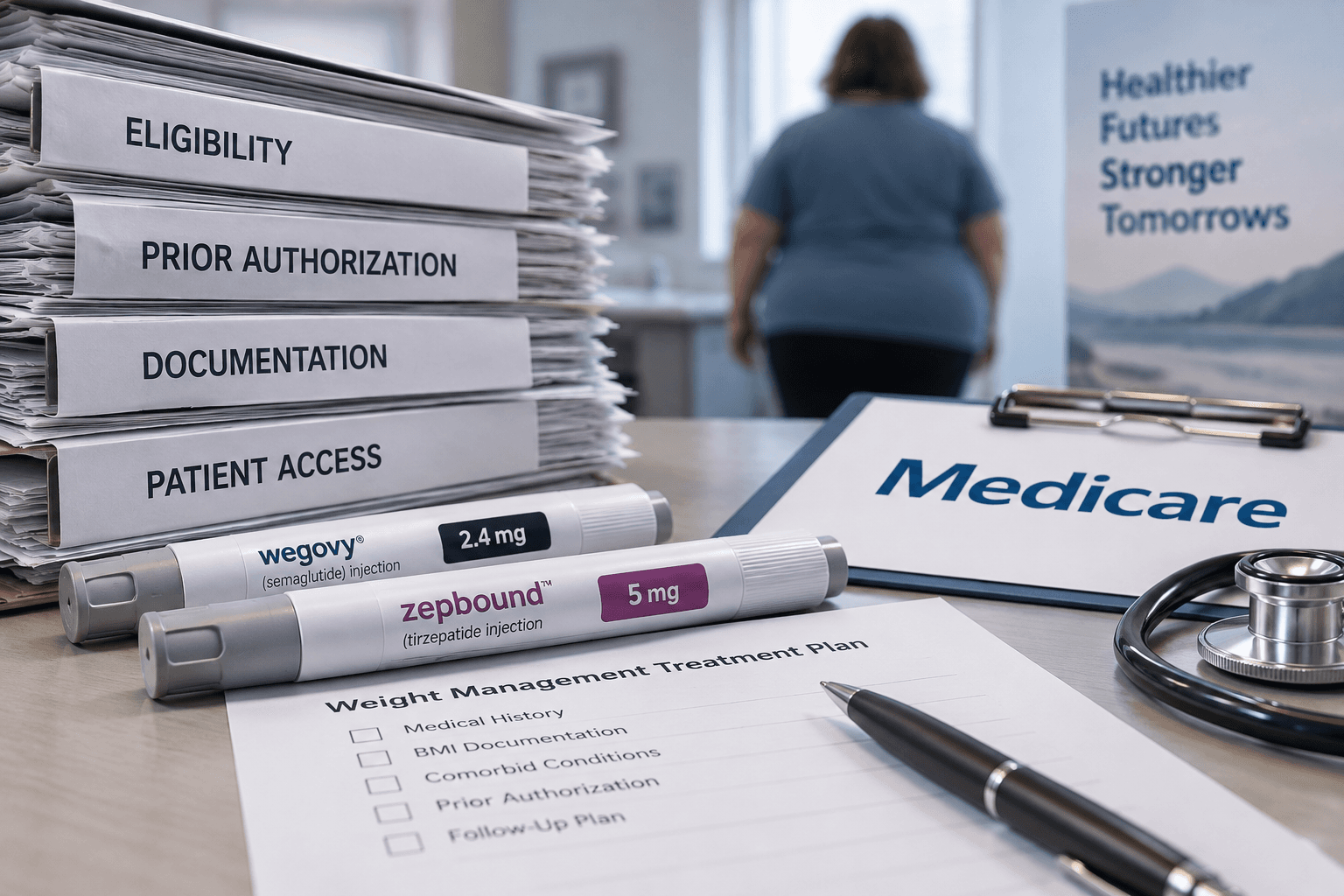
Medicare's GLP-1 'Bridge' Program May Limit Access to Weight Loss Drugs
Medicare's new 'Bridge' program aims to make GLP-1 weight loss medications more affordable, but its complex eligibility criteria and administrative burdens may limit access for patients. The program, which offers discounted access to medications like Wegovy and Zepbound, requires extensive documentation and prior authorizations, which can delay treatment and increase staff workload.

Trump Administration Creates Temporary Medicare Program for Obesity Drugs
A new government program will make weight loss drugs available to adults 65 and older in Medicare for the first time next month, despite a law prohibiting Medicare from paying for obesity drugs. The program is supposed to be temporary, but may be difficult to end.
Medicare's GLP-1 Discount Program Leaves Many Patients Behind
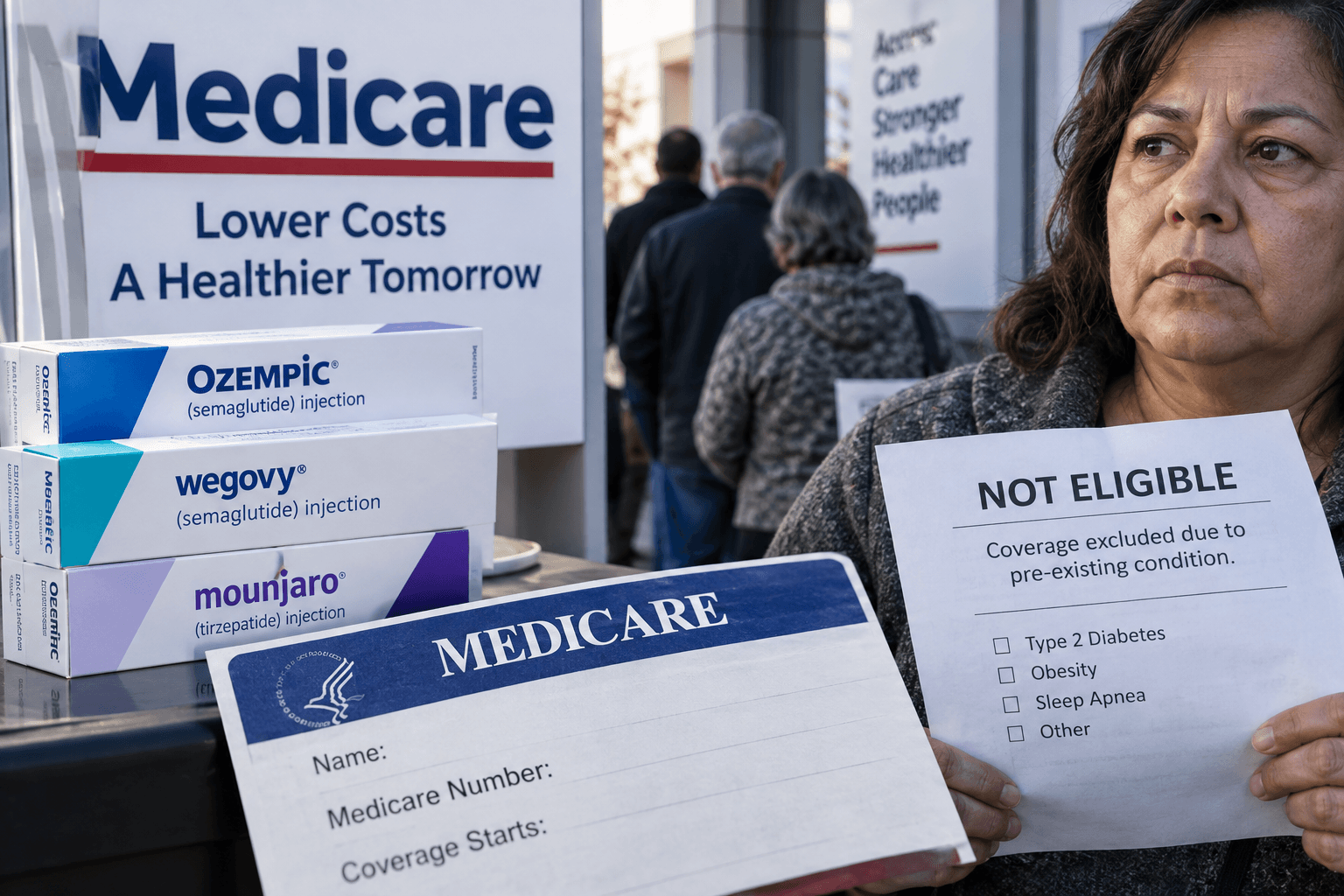
A new Medicare pilot program offers discounted GLP-1 medications for weight loss, but millions of patients are excluded due to pre-existing medical conditions, leaving them with unaffordable treatment options.