Eli Lilly's Obesity Drug Granted Compassionate Use to One Person
In a rare move, Eli Lilly and the FDA have allowed one person to receive the company's obesity candidate, retatrutide, through the FDA's compassionate use program. This development comes as the pharmaceutical industry sees a resurgence in mergers and acquisitions, with Lilly also showing interest in a hair loss drug.
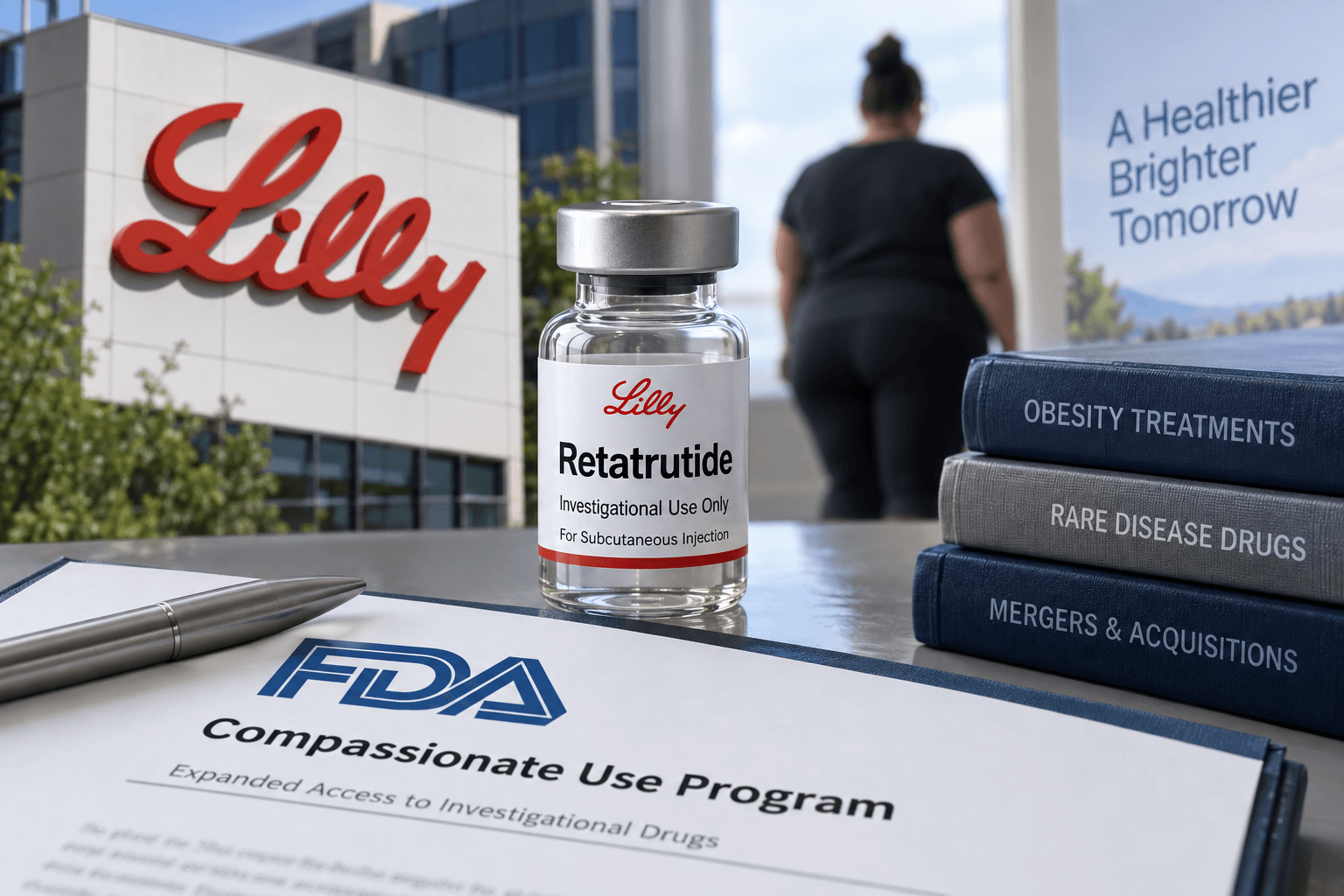
- Eli Lilly's obesity drug, retatrutide, granted compassionate use to one person
- FDA's compassionate use program allows patients with life-threatening conditions to access experimental treatments
- Pharmaceutical industry seeing a surge in mergers and acquisitions
- Lilly interested in hair loss drug, expanding its portfolio
- FDA reverses decisions on rare disease drugs, causing uncertainty and concern
What is Retatrutide and how does it work?
Eli Lilly's highly anticipated obesity treatment, similar to Semaglutide, retatrutide, has been granted compassionate use to one person, according to a recent report. The FDA's compassionate use program allows patients with life-threatening conditions to access experimental treatments outside of clinical trials. This move is significant, as it suggests that the FDA and Lilly believe retatrutide may offer substantial benefits to patients with obesity.
How does the FDA's compassionate use program impact patients with obesity?
The news comes as the pharmaceutical industry is experiencing a surge in mergers and acquisitions. Drugmakers are spending billions of dollars on acquisitions, seeking to expand their portfolios and boost their pipelines. Lilly, in particular, has been active in this space, with a recent interest in a hair loss drug. The company's move into hair loss treatments is seen as a strategic expansion of its portfolio, which already includes a range of treatments for conditions such as diabetes and cancer.
The FDA has also made headlines recently with its reversal on rare disease drugs. The agency had previously approved several treatments for rare conditions, only to later reverse those decisions. This has led to uncertainty and concern among patients and manufacturers alike. Despite these challenges, the pharmaceutical industry remains a hub of innovation, with companies like Lilly pushing the boundaries of medical research and treatment.
For more information on retatrutide and the FDA's compassionate use program, readers can visit the FDA's website or consult with a medical professional. The pharmaceutical industry's resurgence in mergers and acquisitions is also being closely watched by investors and analysts, who see it as a sign of the industry's continued growth and innovation.
FAQ
- What is the FDA's compassionate use program?
- The FDA's compassionate use program allows patients with life-threatening conditions to access experimental treatments outside of clinical trials
Read next
Eli Lilly Grants Access to Experimental Obesity Drug to 79-Year-Old Patient
Eli Lilly has given a 79-year-old patient access to its experimental obesity drug, retatrutide, through the FDA's compassionate use program. The move has raised eyebrows, with sources suggesting the patient may be well-connected. Retatrutide has shown promising results, with weight loss comparable to bariatric surgery.
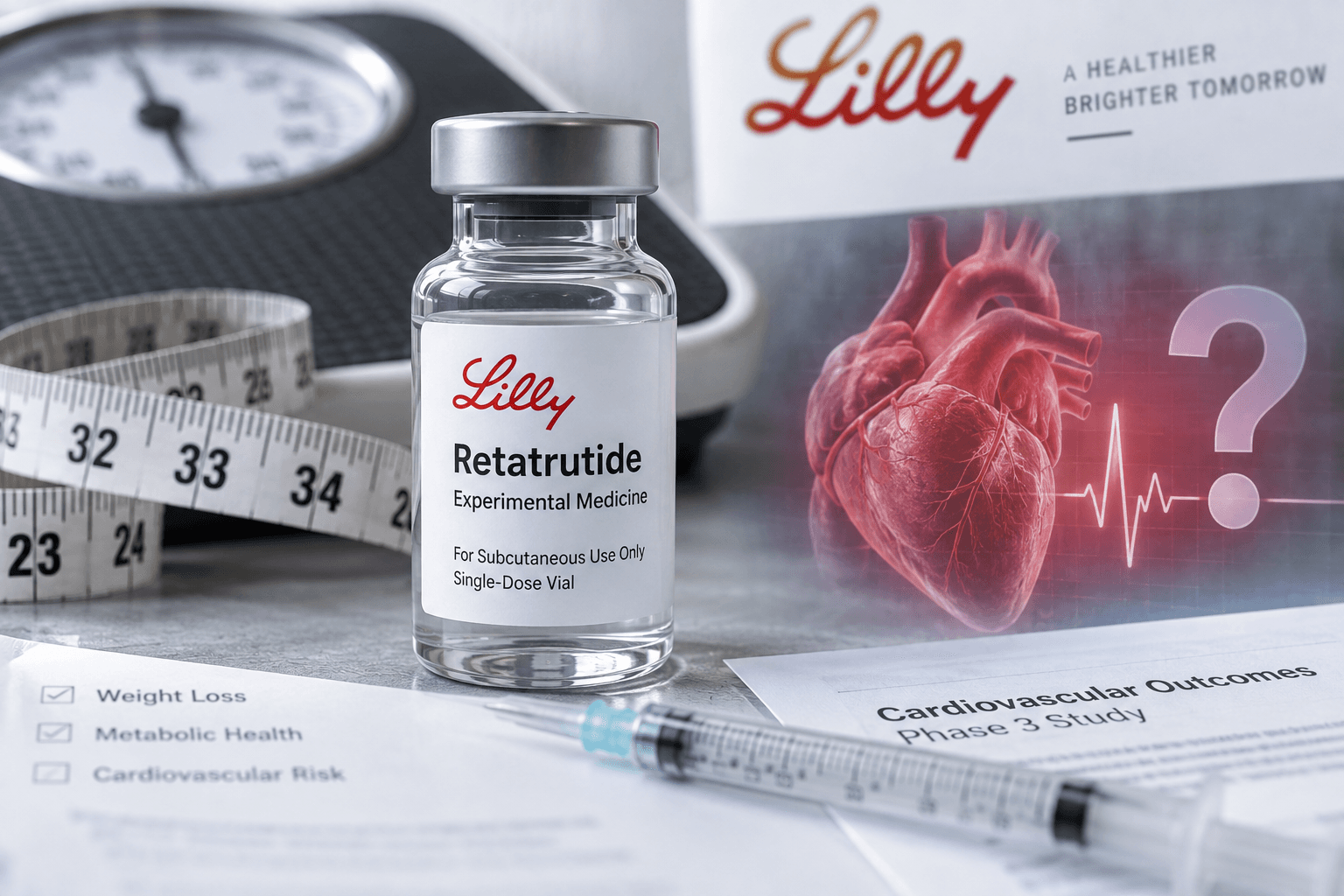
Eli Lilly's Obesity Drug Shows Promise, But Heart Benefits Remain Unclear
Eli Lilly's new obesity drug, retatrutide, has been shown to be highly effective in weight loss, with participants losing 22.6% of their weight after 80 weeks. However, the drug's impact on cardiovascular risk remains unclear due to a lack of statistically significant results in a recent Phase 3 study.
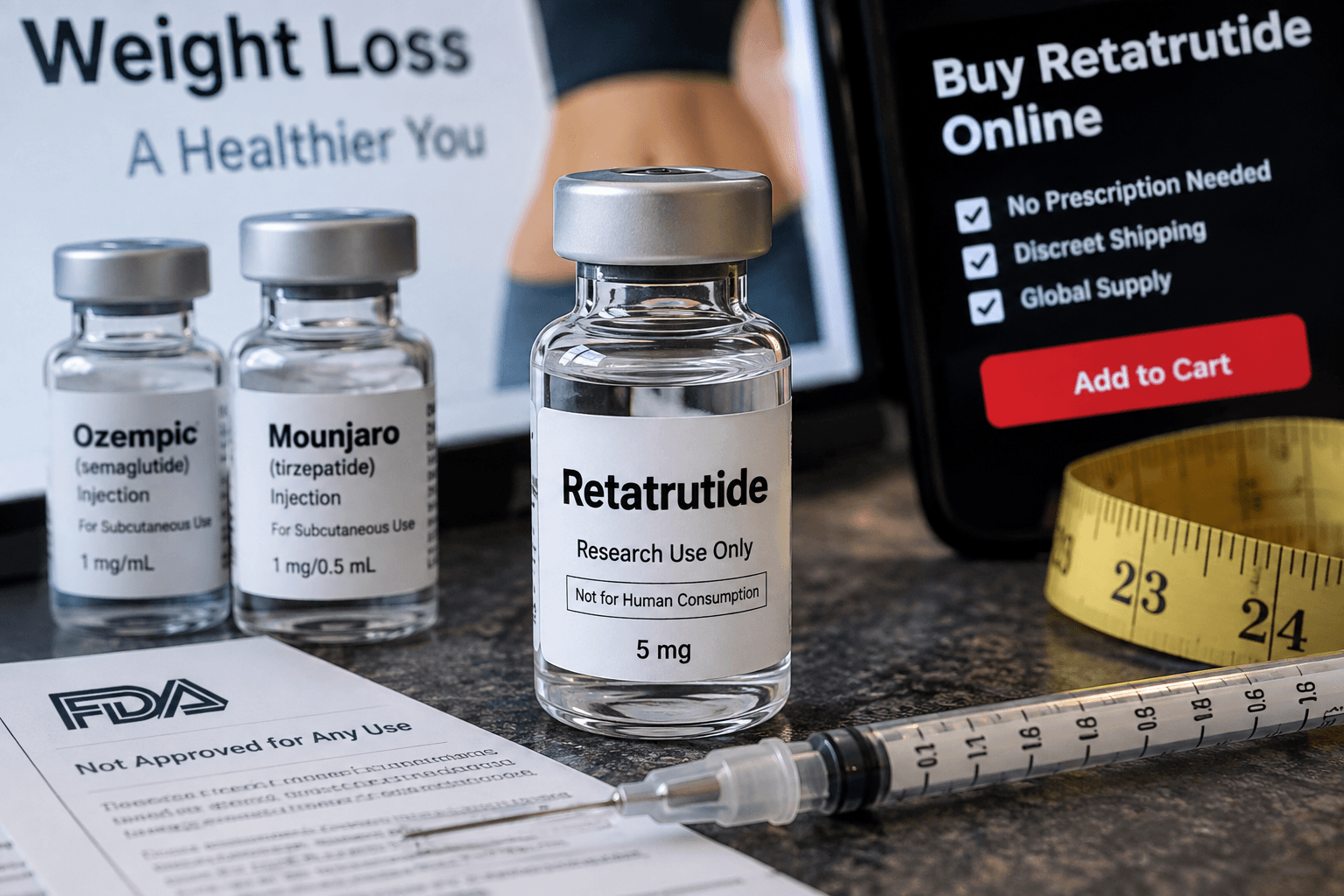
Desperate for Weight Loss, People Turn to Unapproved Retatrutide
Retatrutide, a promising weight-loss drug not yet approved by the FDA, is being sought after by people dissatisfied with current medications, with some turning to the gray market to purchase it, despite warnings from doctors about the risks to their health.

Novo Nordisk Sues Eli Lilly Over 'Deceptive' GLP-1 Drug Ads
Novo Nordisk has sued Eli Lilly, alleging the company's ad campaign for its obesity and diabetes drugs is 'deceptive' and uses 'outdated clinical trials' to make them appear more effective. The lawsuit, filed in federal court in New Jersey, claims Lilly is comparing high doses of its drugs to lower doses of Novo's similar medications.
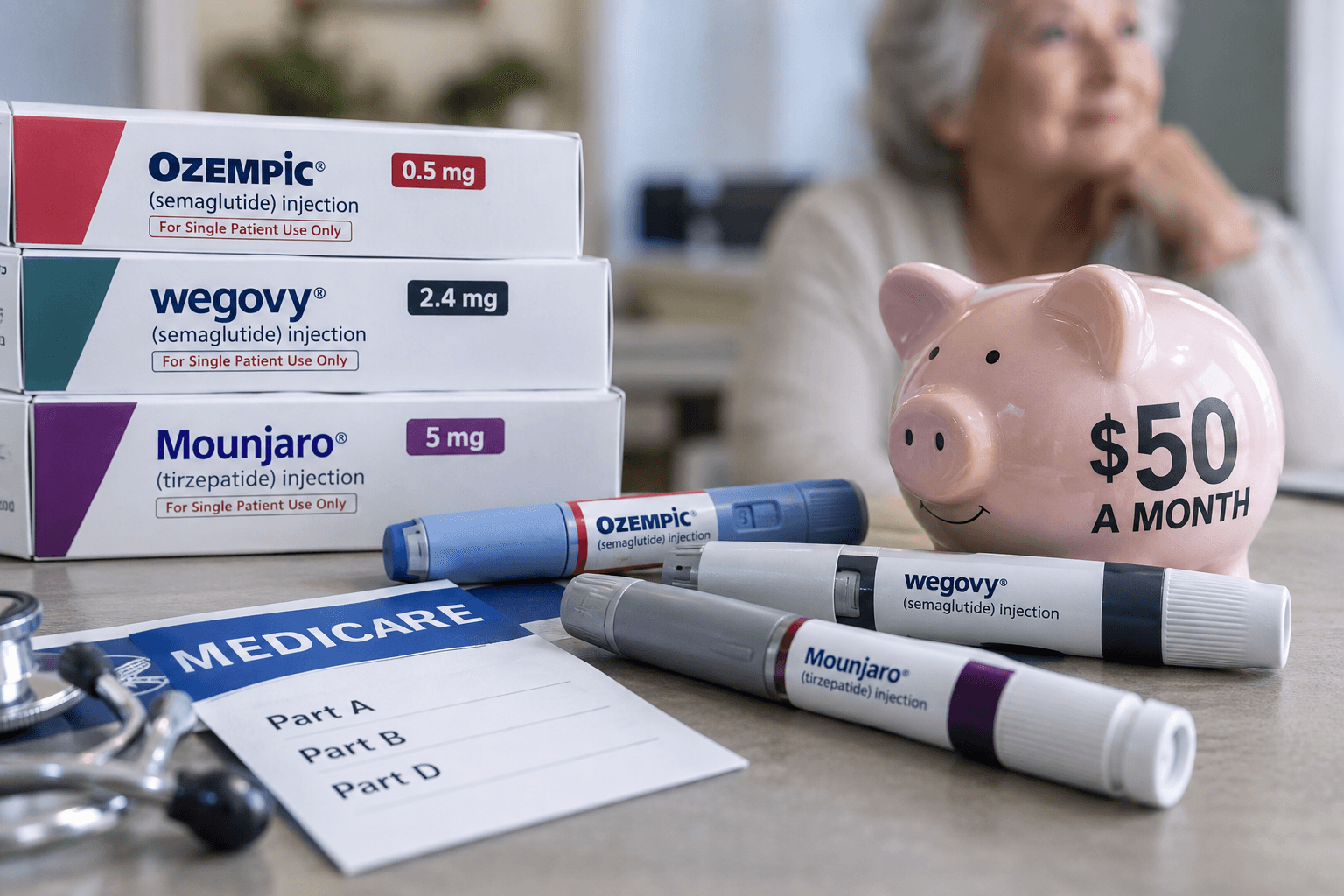
Medicare to Offer Cheaper GLP-1 Weight Loss Medications to Seniors
A new pilot program will allow some Medicare recipients to access GLP-1 weight loss medications for $50 a month, potentially helping millions of older adults who struggle with obesity. The program, set to launch on July 1, will cover three drugs and be available to those with Medicare Part D who meet certain conditions.