NHS Weight-Loss Jabs at Risk as GP Funding Is Pulled Across England
Patients in England who qualify for NHS weight-loss injections could miss out after most integrated care boards withdrew funding for GP services. An investigation by the GP magazine Pulse found 21 of 36 boards have scrapped payments to practices for prescribing and monitoring Mounjaro, also known as tirzepatide. NHS England says funding is now national, but the scheme is voluntary, and GPs say the payments do not cover the cost of the work. Critics warn that access is becoming a postcode lottery.
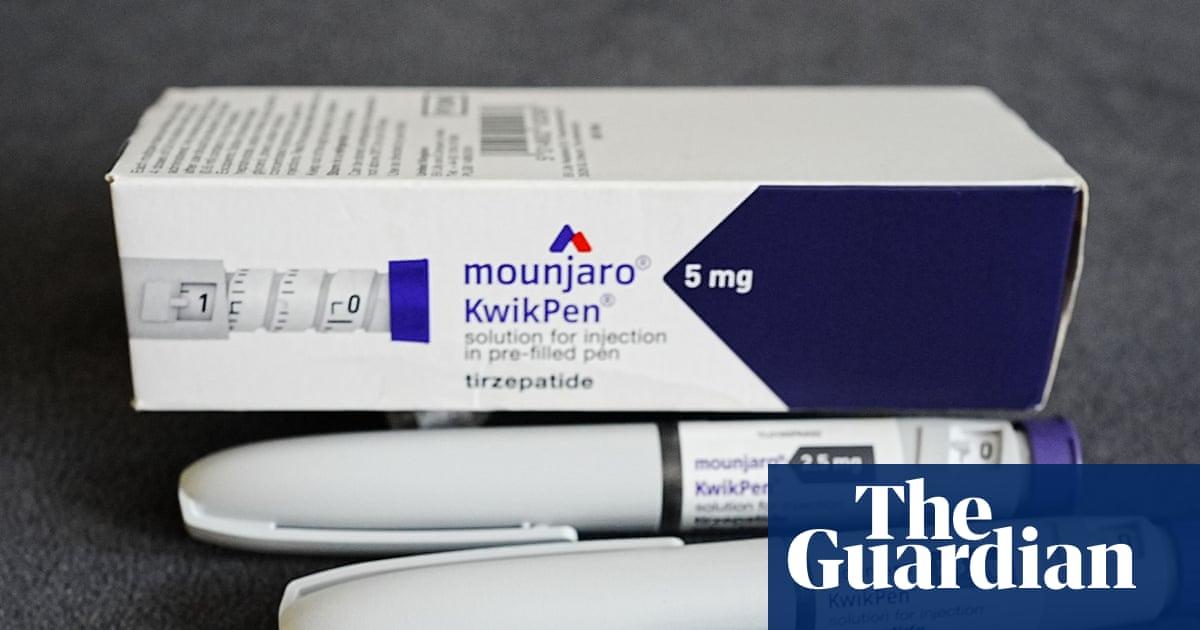
- 21 of 36 integrated care boards have scrapped GP payments for prescribing Mounjaro (tirzepatide).
- Nine more boards never had a local enhanced service; only four still retain one.
- NHS England says funding is now national, with obesity incentives added to the GP framework from April.
- The scheme is voluntary, and GPs say the payments do not cover the work involved.
- Healthwatch England describes a postcode lottery in access to NHS weight-loss drugs.
- The British Medical Association and the Royal College of GPs have raised concerns about sustainability and safe care.
- GPs have been able to prescribe Mounjaro since 2025.
Most integrated care boards in England have withdrawn funding for GP services that prescribe and monitor Mounjaro (tirzepatide) weight-loss jabs, according to a Pulse investigation. The inquiry found 21 of 36 ICBs have scrapped payments, and GPs told Pulse the payments do not cover the cost, leaving eligible patients at risk of missing out.
Patients in England who qualify for NHS GLP-1 weight-loss injections could be left without access. Most integrated care boards (ICBs) have withdrawn funding for GP services that deliver the treatment, according to an investigation by the GP magazine Pulse.
Which areas have scrapped GP funding for weight-loss jabs?
The inquiry found that 21 of 36 ICBs have scrapped payments to practices for prescribing and monitoring Mounjaro, also known as tirzepatide. Nine more never had a local enhanced service. Only four still keep one.
NHS England says funding is now national. Incentives for GPs to manage obesity were added to the Quality and Outcomes Framework from April. But the scheme is voluntary, and GPs told Pulse the payments are not enough to cover the cost of providing the service.
Chris McCann, acting chief executive of Healthwatch England, said patients have reported major differences in their ability to get NHS-funded weight-loss drugs. "Many people describe a postcode lottery in access," he said. "Depending on where they live, people can face very different routes to getting the medication, and in some areas access remains unclear while local commissioning arrangements are still being decided."
Some areas have already warned that prescribing cannot be guaranteed. Cheshire and Merseyside ICB, for example, says GP participation is optional and that meeting the eligibility criteria does not guarantee access.
GPs have been able to prescribe Mounjaro since 2025, but access has been described as a postcode lottery across the country. The Guardian reported last year that thousands of patients in England could not get weight-loss jabs through their GP. Only 18 of 42 commissioning bodies had confirmed they had begun prescribing the drug.
Why are GPs and doctors concerned about prescribing weight-loss jabs?
The British Medical Association said the new payments are unlikely to cover the extra work involved in prescribing and monitoring the drug. It said eligible patients are missing out as a result. The arrangements could become increasingly unsustainable as the NHS widens eligibility over the coming years.
Prof Victoria Tzortziou Brown, president of the Royal College of GPs, shared those concerns. She said the college recognized the worry that the new arrangements "may not adequately support the clinical work involved in assessing patients, prescribing safely and providing ongoing monitoring and follow-up." She added: "It is vital that general practice is appropriately supported to deliver safe, high-quality care as part of any additional responsibilities associated with the rollout of weight-loss drugs in the NHS."
Prof Andy Brooks, clinical chair of the National Association of Primary Care, said eligible patients need "a clear, properly resourced route to treatment and follow-up." That includes continuity of care for those already taking the drug. He said the situation shows the limits of paying for individual activities to solve complex problems.
"The test is whether people can get the support they need when they need it, whether inequities in access narrow and whether that support can be sustained," Brooks said.
What is NHS England doing about GP funding for tirzepatide?
NHS England said it has moved funding for tirzepatide support into the GP contract. "This replaces varied local arrangements with a clear, nationally funded approach," the agency said. "This gives practices a consistent framework to support eligible patients and helps improve equitable access across the country."
FAQ
- How many ICBs have scrapped GP payments for Mounjaro?
- According to the Pulse investigation, 21 of 36 integrated care boards have scrapped payments to practices for prescribing and monitoring Mounjaro, and nine more never had a local enhanced service.
- Is GP participation in NHS weight-loss jab prescribing mandatory?
- No. The story says the scheme is voluntary.
- Has NHS England moved tirzepatide funding into the GP contract?
- Yes. NHS England says it has moved funding for tirzepatide support into the GP contract.
Read next
Hundreds of English Children Prescribed Weight-Loss Jabs, Figures Show
Hundreds of children in England are receiving prescriptions for GLP-1 medications, including some under 12, according to a Guardian investigation of NHS prescribing data. In the 2025-26 financial year, 419 prescriptions were issued to under-18s, 10 of them to children under 12. Experts say the figures likely understate the true total, and they stress that children who start these drugs need specialist supervision and long-term monitoring. The findings come as childhood obesity rates continue to rise and as new global guidance advises against giving obesity medications to children under 10.
Millions Lose Insurance Coverage for Weight Loss Drugs, Leaving Patients in Limbo
Millions of Americans have lost insurance coverage for weight loss drugs like Zepbound and Wegovy, forcing them to navigate a complex appeals process or seek alternative treatments. Patients and doctors are speaking out about the challenges of accessing these medications, which have been shown to be effective in treating obesity and related conditions.
Medicare's GLP-1 'Bridge' Program May Limit Access to Weight Loss Drugs
Medicare's new 'Bridge' program aims to make GLP-1 weight loss medications more affordable, but its complex eligibility criteria and administrative burdens may limit access for patients. The program, which offers discounted access to medications like Wegovy and Zepbound, requires extensive documentation and prior authorizations, which can delay treatment and increase staff workload.
Medicare to Cover Weight Loss Drugs for $50 a Month
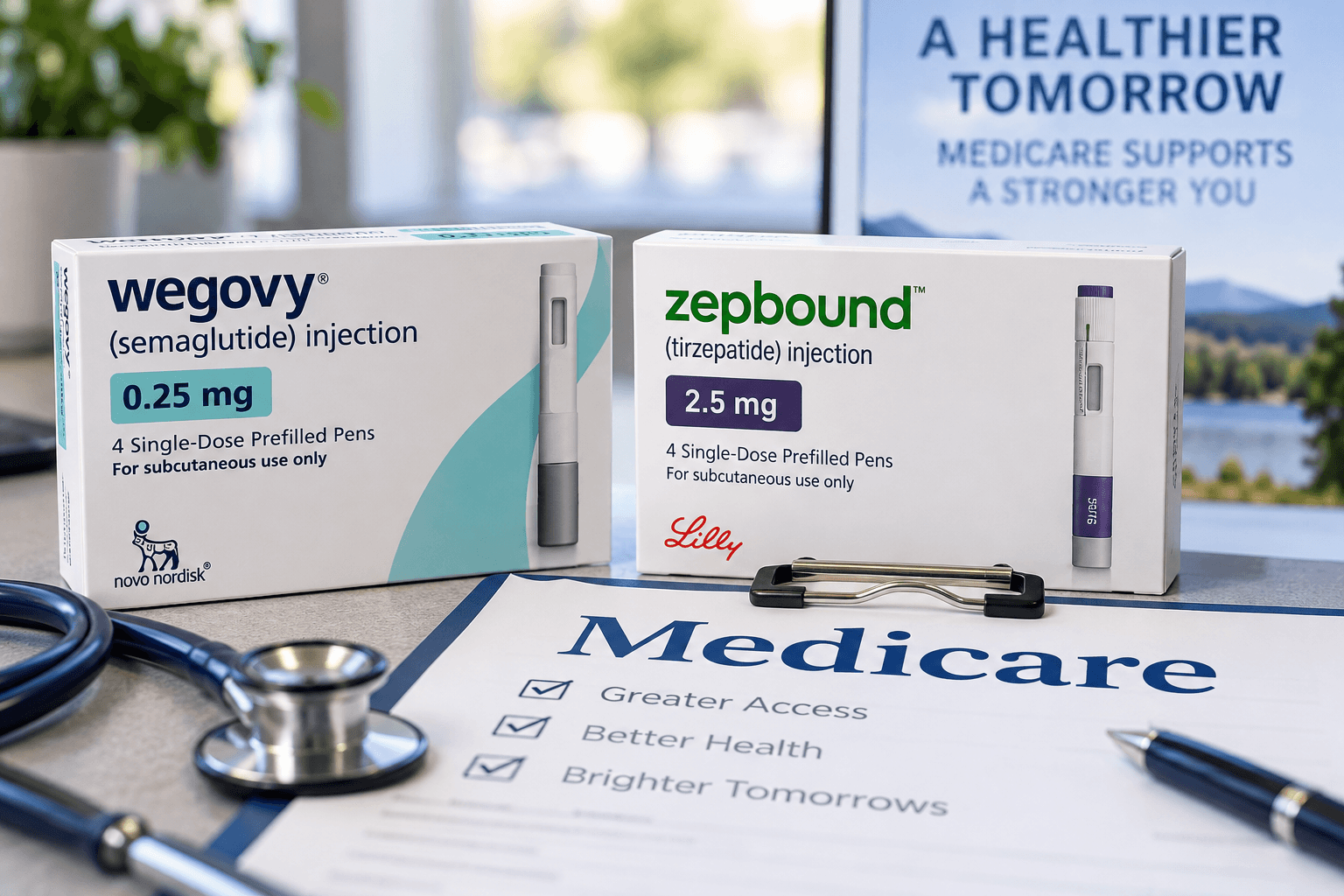
Medicare to cover weight loss drugs like Wegovy and Zepbound for $50 a month under a new pilot program, a significant shift for the healthcare system. The program aims to increase accessibility for older Americans struggling with obesity.
Cheaper GLP-1 Generics Arrive, and a Global Access Fight May Follow
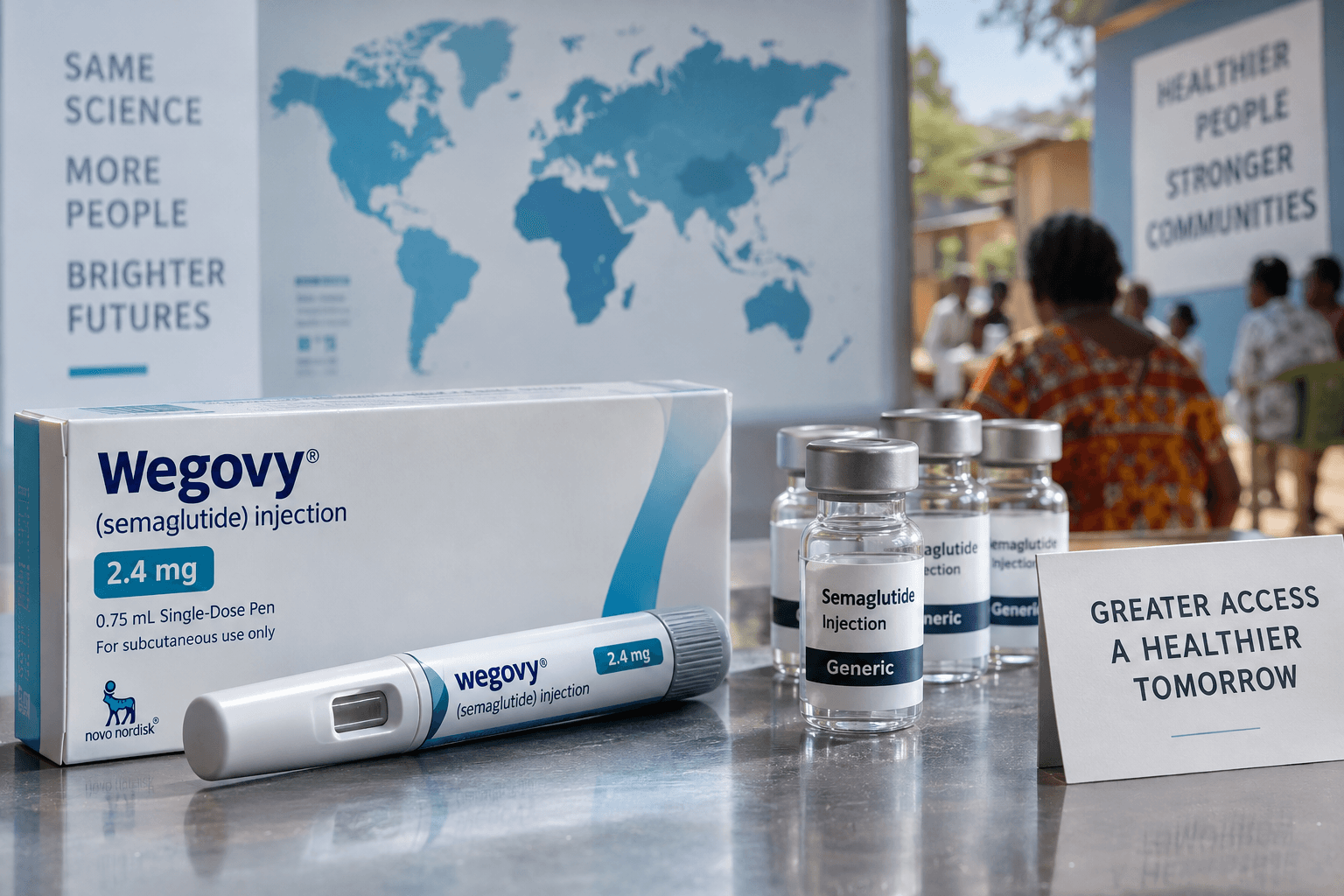
Lower-cost generic versions of semaglutide, the drug sold as Wegovy by Novo Nordisk for obesity, have begun reaching some countries and will soon arrive in others. At the same time, drugmakers are racing to develop newer GLP-1 medicines that are forecast to be more effective, cause fewer side effects and be easier to administer. London School of Economics professor Ken Shadlen, who studies the politics of pharmaceutical and health regulation, warns that obesity medications could become the next major battleground over access to medicines in lower-income countries. The shifts could put weight-loss treatment within reach of more people, but the path to access is far from settled.