
Peptide News

#Weight-loss drugs

Ozempic-Like Drugs May Boost Sperm Quality, But Scientists Want Proof

Ozempic-Like Drugs May Boost Sperm Quality, But Scientists Want Proof

Scientists are testing whether GLP-1 drugs such as Ozempic can improve sperm quality and testosterone levels in men. A study of 108 men with obesity and/or type 2 diabetes, published in Biomedicines, found that sperm concentrations rose significantly after a year on semaglutide or liraglutide. The share of sperm that could swim forward also climbed, and average testosterone rose about 30 percent. The researchers stress that the study had no control group and cannot show whether the drugs improve a man's chances of conceiving. Larger, controlled trials are needed before any fertility recommendation can be made.
NHS Weight-Loss Jabs at Risk as GP Funding Is Pulled Across England

NHS Weight-Loss Jabs at Risk as GP Funding Is Pulled Across England

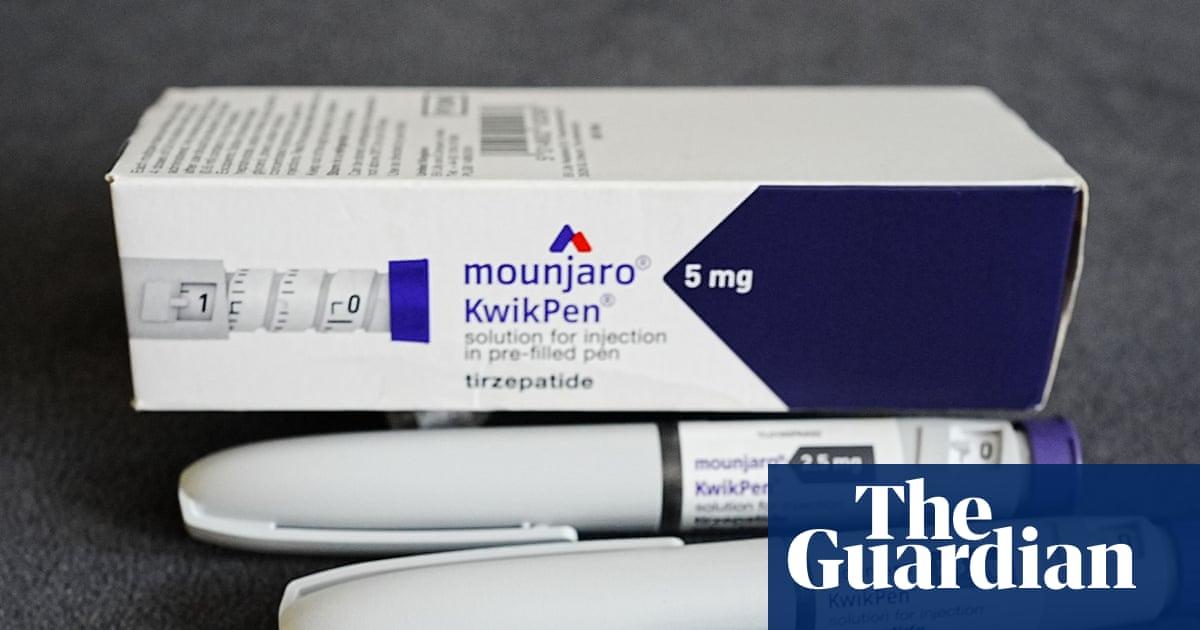
Patients in England who qualify for NHS weight-loss injections could miss out after most integrated care boards withdrew funding for GP services. An investigation by the GP magazine Pulse found 21 of 36 boards have scrapped payments to practices for prescribing and monitoring Mounjaro, also known as tirzepatide. NHS England says funding is now national, but the scheme is voluntary, and GPs say the payments do not cover the cost of the work. Critics warn that access is becoming a postcode lottery.

FDA Adds Vision Loss Warning to GLP-1 Drugs, Leaving Doctors and Patients With Hard Choices

FDA Adds Vision Loss Warning to GLP-1 Drugs, Leaving Doctors and Patients With Hard Choices

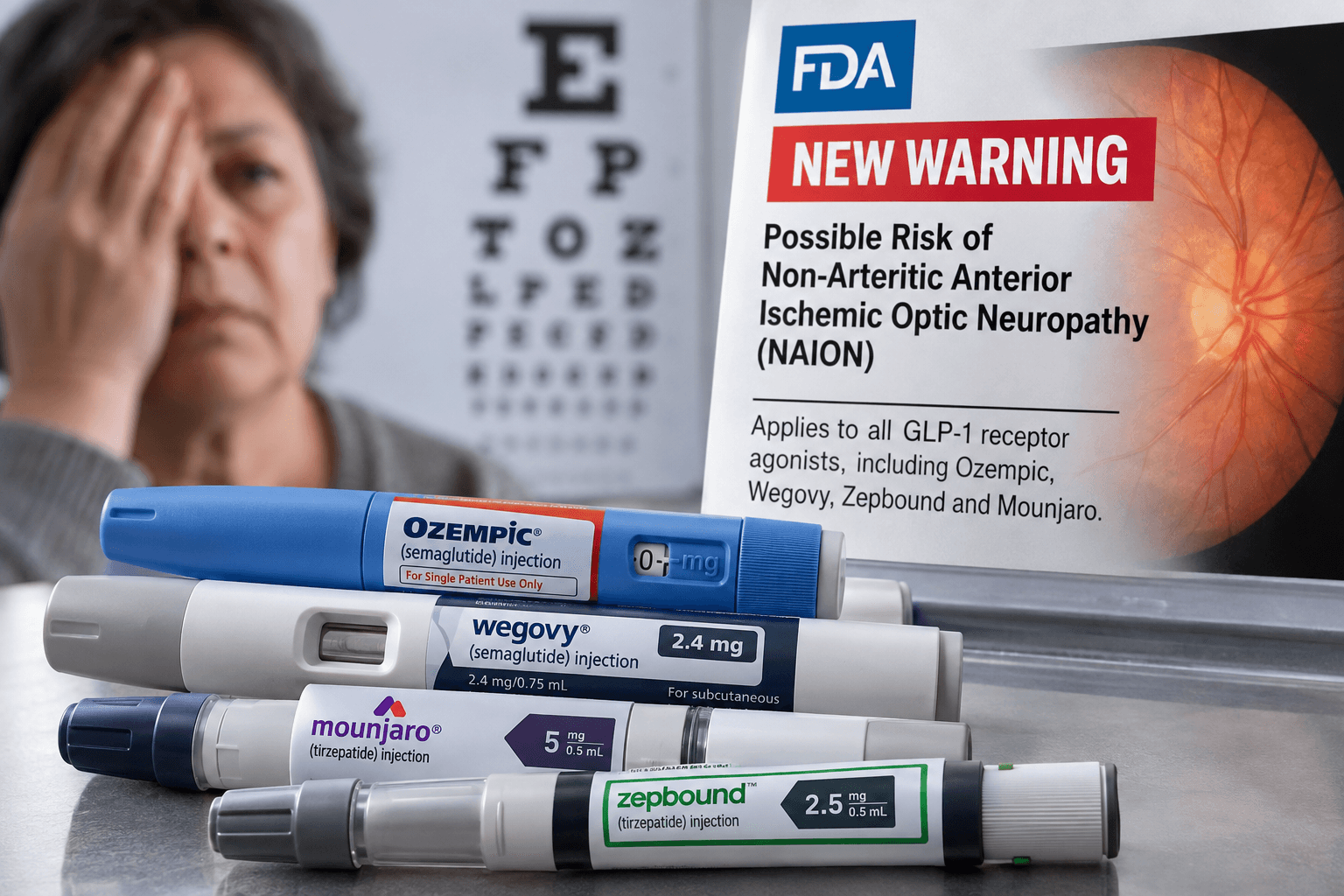
The FDA will require new warnings across the entire GLP-1 drug class about a possible increased risk of NAION, a rare condition that damages the optic nerve and can cause permanent vision loss. The class includes Ozempic, Wegovy, Zepbound and Mounjaro. Because the drugs are widely used, the warning forces a difficult question: when a patient develops NAION, should treatment stop? Regulators in Europe and the U.S. have answered differently. An ophthalmologist who has asked patients about GLP-1 use for two years says the FDA should now study what happens after a diagnosis, and that patients cannot wait years for answers.