Peptide News

#tirzepatide

NHS Weight-Loss Jabs at Risk as GP Funding Is Pulled Across England

NHS Weight-Loss Jabs at Risk as GP Funding Is Pulled Across England

Patients in England who qualify for NHS weight-loss injections could miss out after most integrated care boards withdrew funding for GP services. An investigation by the GP magazine Pulse found 21 of 36 boards have scrapped payments to practices for prescribing and monitoring Mounjaro, also known as tirzepatide. NHS England says funding is now national, but the scheme is voluntary, and GPs say the payments do not cover the cost of the work. Critics warn that access is becoming a postcode lottery.
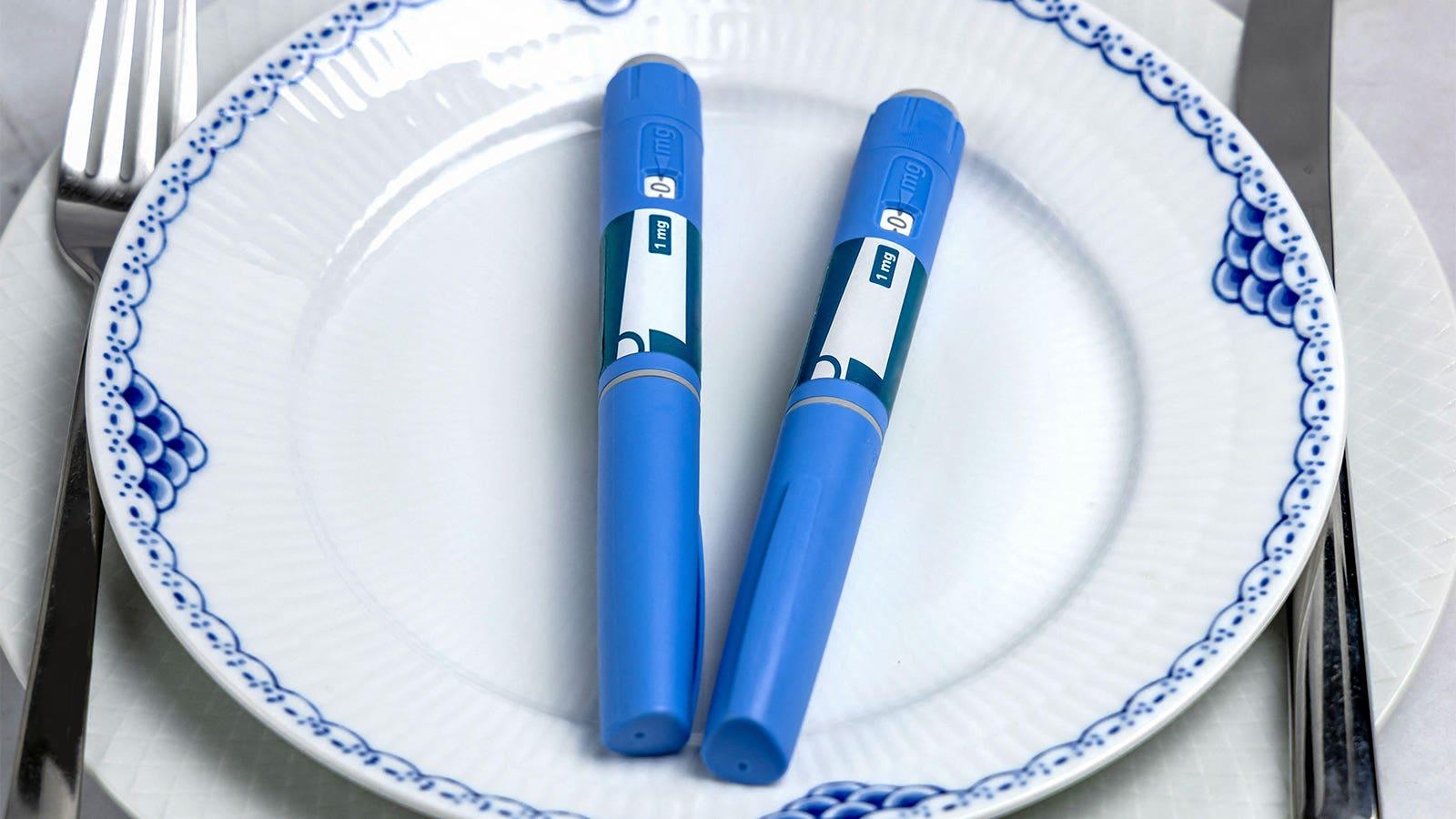
When GLP-1s Curb Appetite Too Well: A Clinician Flags Disordered Eating Risks

When GLP-1s Curb Appetite Too Well: A Clinician Flags Disordered Eating Risks

An obesity medicine physician reports a growing concern: some patients taking GLP-1 medications such as tirzepatide and semaglutide are using the drugs' appetite suppression to support extreme fasting, over-restriction, or dangerous weight loss. Drawing on recent clinical cases, national eating disorder prevalence data, and published nutritional guidance, the physician outlines how prescribers can screen for risk, set minimum nutrition and hydration targets, and monitor patients closely. The account underscores that these powerful medications require individualized care to prevent harm while still delivering their substantial benefits for people living with obesity.

NA-931 Cuts Weight Without Major Muscle Loss in Mid-Stage Trial

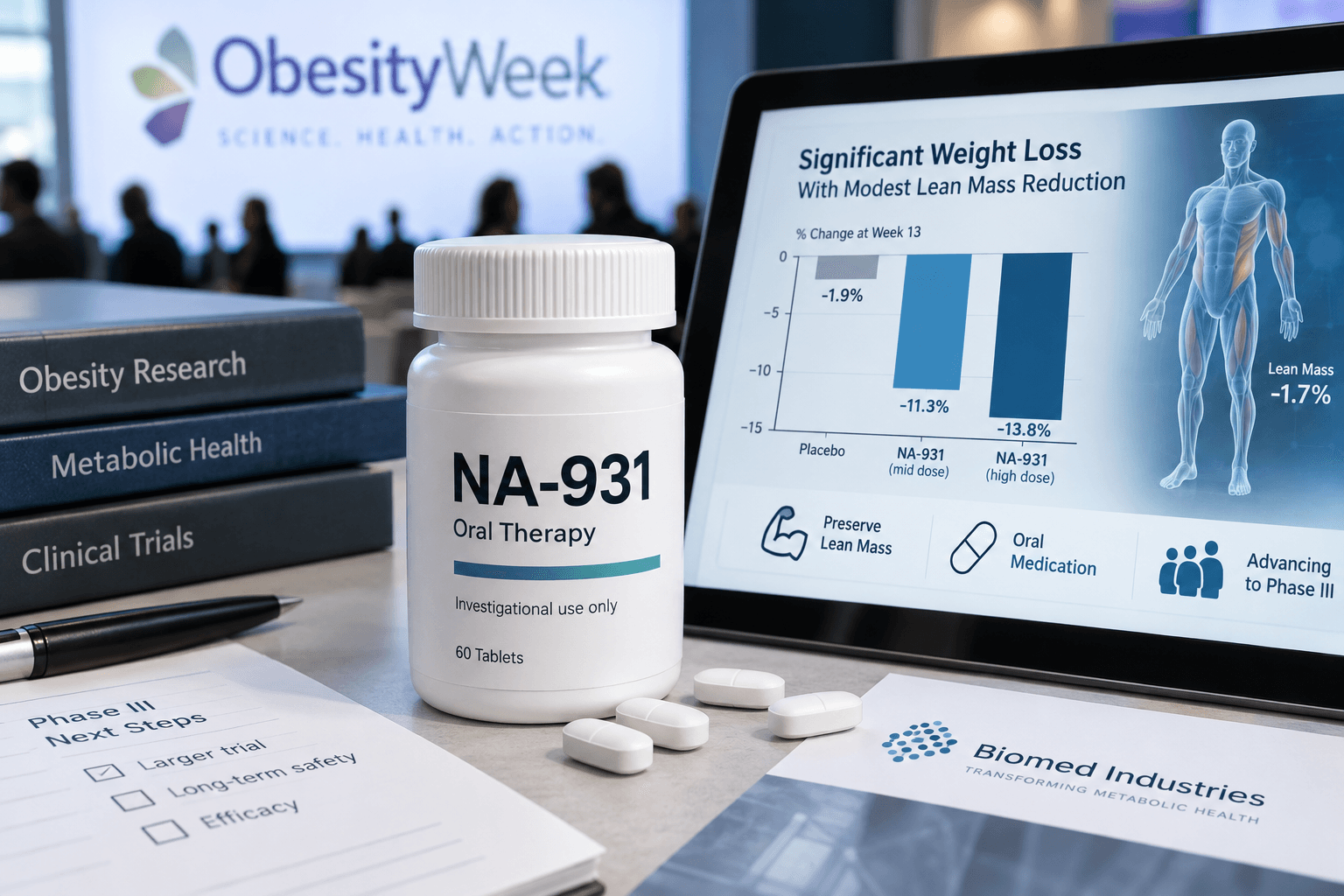
NA-931 Cuts Weight Without Major Muscle Loss in Mid-Stage Trial

An experimental oral medicine called NA-931 led to substantial weight loss with only modest reductions in lean mass in a randomized phase II trial. Researchers from developer Biomed Industries presented the topline results at the ObesityWeek annual meeting. The highest doses reduced body weight by 13.8% and 11.3% at week 13, compared with 1.9% on placebo. Lean mass fell by 1.7% over the same period, and nausea rates were only slightly higher than placebo. The company says it is advancing NA-931 into phase III testing. The findings are early and come from a small study of 125 adults.

FDA Adds Vision Loss Warning to GLP-1 Drugs, Leaving Doctors and Patients With Hard Choices

FDA Adds Vision Loss Warning to GLP-1 Drugs, Leaving Doctors and Patients With Hard Choices

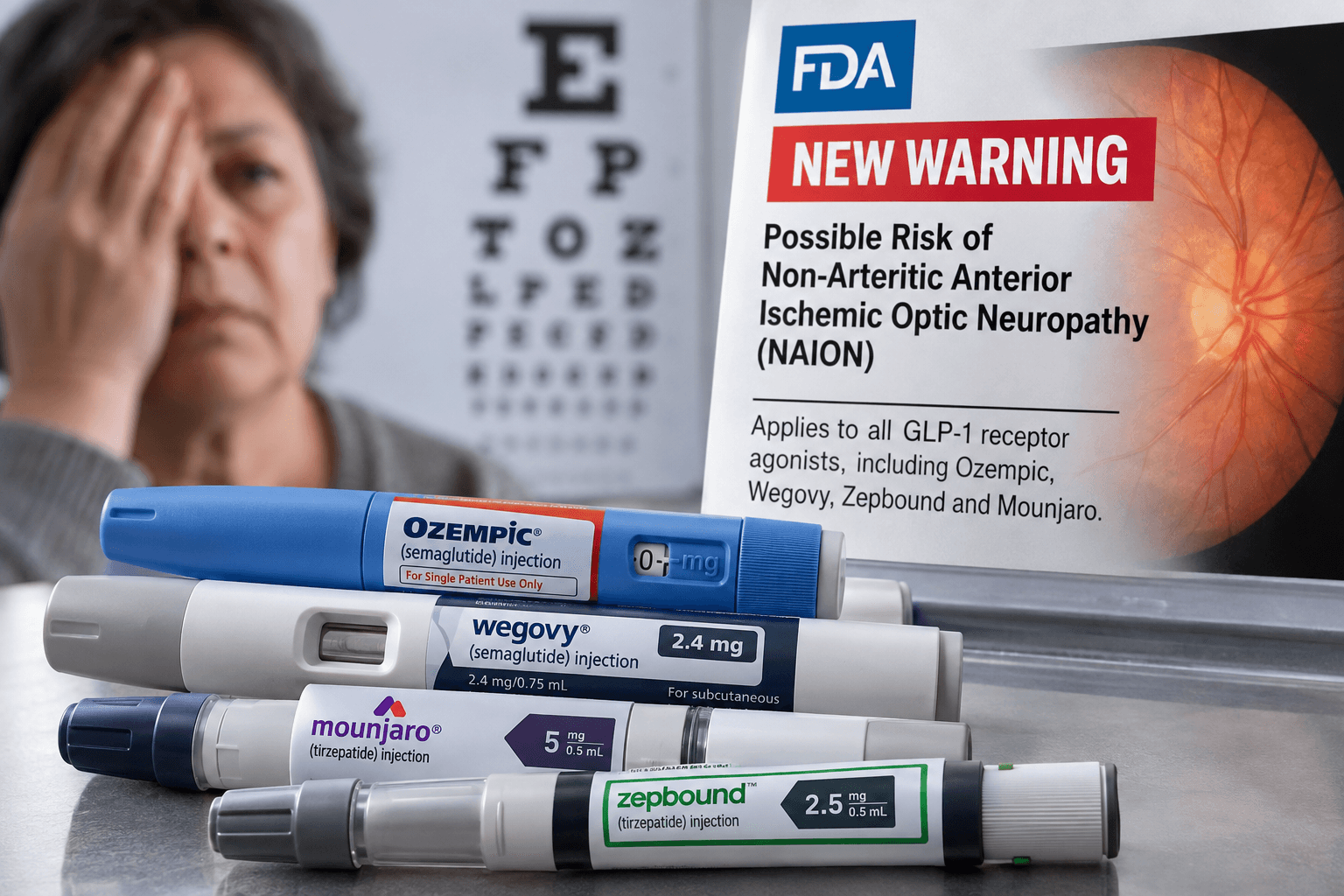
The FDA will require new warnings across the entire GLP-1 drug class about a possible increased risk of NAION, a rare condition that damages the optic nerve and can cause permanent vision loss. The class includes Ozempic, Wegovy, Zepbound and Mounjaro. Because the drugs are widely used, the warning forces a difficult question: when a patient develops NAION, should treatment stop? Regulators in Europe and the U.S. have answered differently. An ophthalmologist who has asked patients about GLP-1 use for two years says the FDA should now study what happens after a diagnosis, and that patients cannot wait years for answers.

Two Case Reports Link Abrupt Tirzepatide Discontinuation to Mania and Psychosis

Two Case Reports Link Abrupt Tirzepatide Discontinuation to Mania and Psychosis

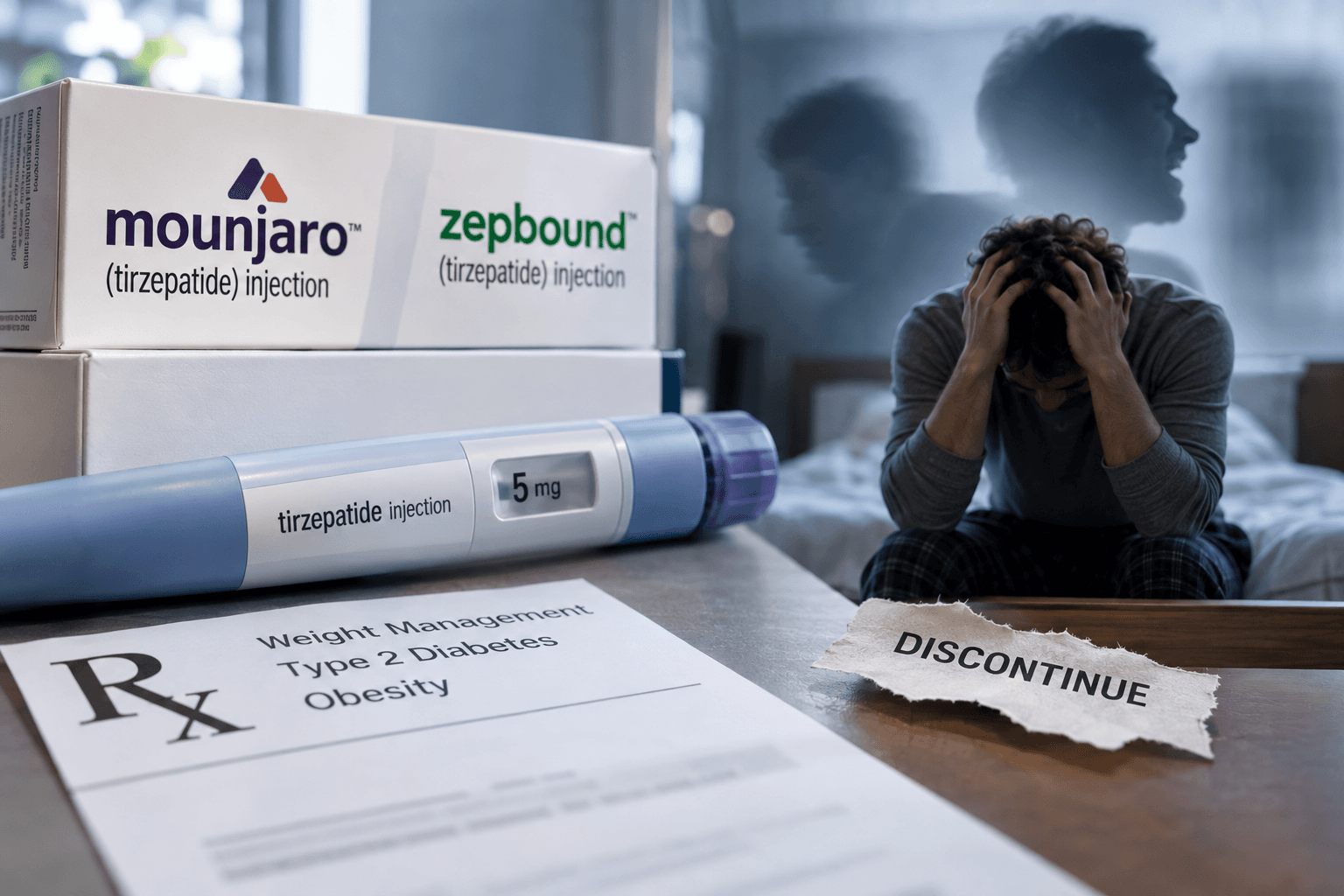
Two men were hospitalized with acute psychiatric symptoms after abruptly stopping tirzepatide, the active ingredient in Mounjaro and Zepbound, according to case studies published in The Primary Care Companion for Central Nervous System Disorders. One patient showed signs of psychosis, including hallucinations and a rare delusion that he was dead, while the other was diagnosed with a manic episode. The authors do not claim the drug withdrawal caused the symptoms. They say the timing is worth attention and that prescribers should consider recent changes in GLP-1 medication when evaluating patients with new mood or psychotic symptoms.

Tirzepatide Cuts BMI Sharply in Adolescents With Obesity, Phase III Trial Finds

Tirzepatide Cuts BMI Sharply in Adolescents With Obesity, Phase III Trial Finds

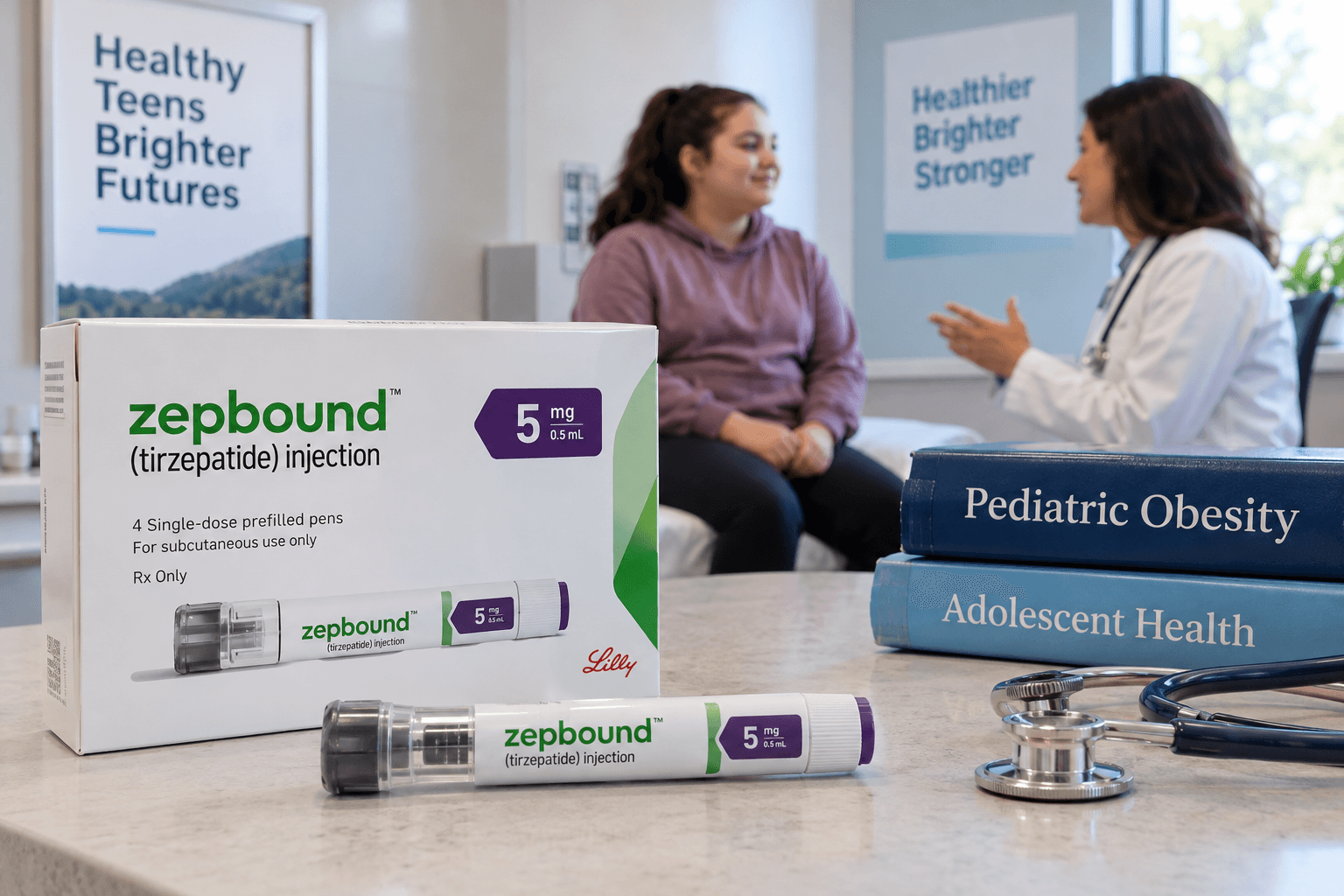
Tirzepatide (Zepbound) produced substantial reductions in body mass index among adolescents with obesity in the phase III SURMOUNT-ADOLESCENTS trial. At week 72, participants on the once-weekly GLP-1/GIP drug alongside a healthy lifestyle program saw an 18.5% mean BMI reduction, while those on placebo saw a 0.5% increase. The trial met its primary endpoint, and all 10 key secondary outcomes also favored tirzepatide. Results were presented at the ObesityWeek annual meeting and published in JAMA. The researchers cautioned against escalating doses to the maximum tolerated level in routine care.