FDA Launches Drug Potency Testing as a $3,900 GLP-1 Program Draws Scrutiny
The Food and Drug Administration has launched a program to test drugs sold at pharmacies and wholesalers, confirming that products contain the listed active ingredient and meet standards for purity and potency. The agency also created an independent council to oversee the postmarketing safety of vaccines, gene therapies and other biologic products. Elsewhere in the week's health news, a woman described a $3,900 GLP-1 program at an island resort, a federal physician-appointee promoted unproven supplements online, and a cruise ship outbreak sickened more than 100 passengers and crew. The stories highlight ongoing questions about product quality, consumer claims and public health response.

What is the FDA drug potency testing program?
The Food and Drug Administration has launched a program to test drugs sold at pharmacies and wholesalers. The goal is to confirm that products contain the active pharmaceutical ingredient listed on the label and that they meet standards for purity and potency. The agency also established an independent council to oversee the postmarketing safety of vaccines, gene therapies and other biologic products, according to a report from Reuters.
What did a patient report about a GLP-1 program?
The week's health coverage also included a firsthand account of a GLP-1 program. A woman described her time at a week-long \
FAQ
- What does the FDA's drug testing program check?
- The program aims to confirm that drugs contain the active pharmaceutical ingredient listed on the label and that they meet standards for purity and potency.
- What does the FDA's new independent council oversee?
- The council oversees the postmarketing safety of vaccines, gene therapies and other biologic products.
Read next
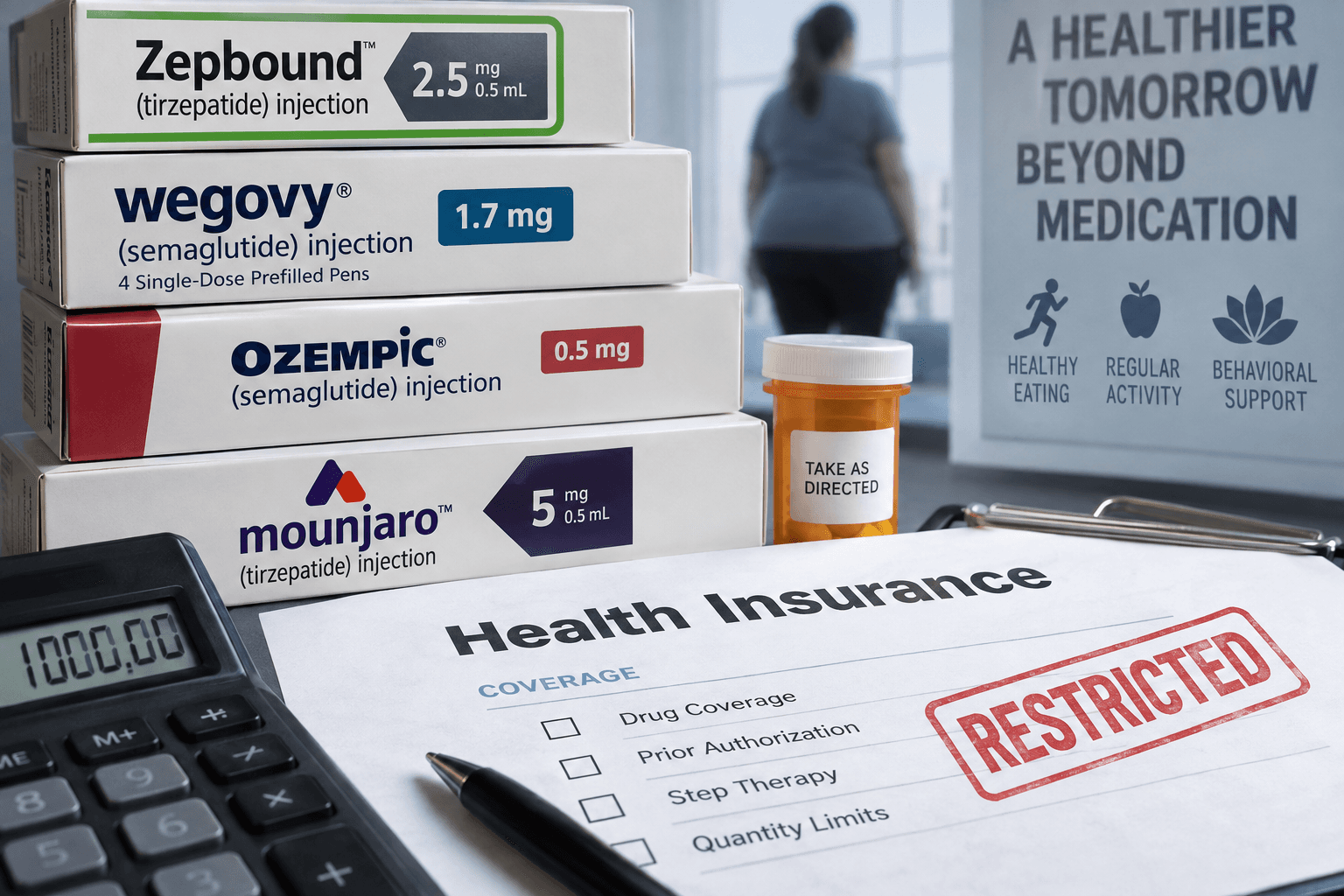
Insurers Struggle with Soaring GLP-1 Drug Costs, Seek to Wean Patients Off
With list prices of roughly $1,000 a month, public and private payers are struggling to keep up with ballooning demand for GLP-1 weight loss drugs, leading some to restrict coverage or explore 'deprescription' to taper patients off the medication.
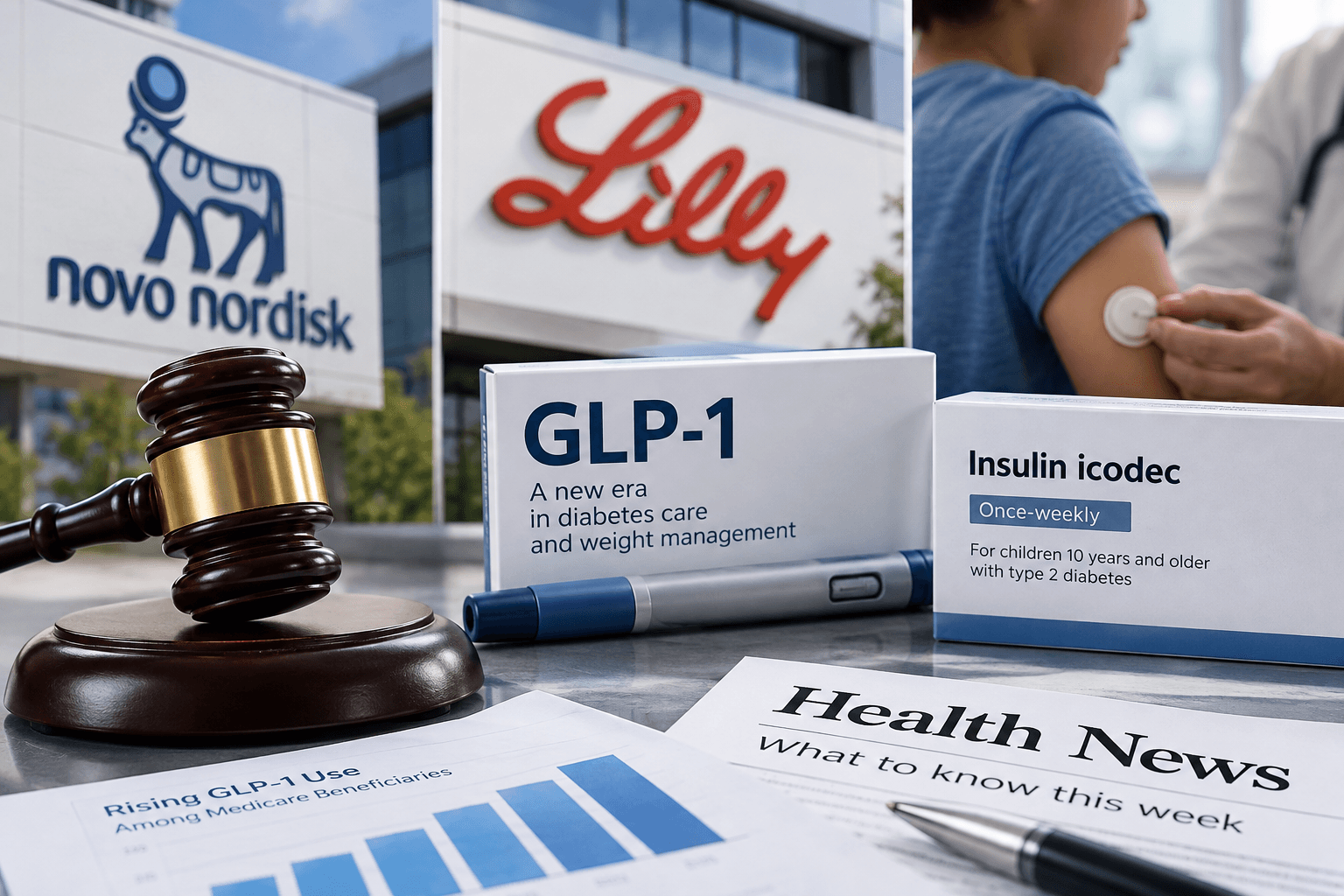
A Court Ruling on GLP-1 Ads, a Weekly Insulin for Kids, and Other Health Stories to Know
A U.S. judge rejected Novo Nordisk's request to temporarily block Eli Lilly from running ads claiming its weight-loss and diabetes drugs are more powerful. The same week, the FDA expanded approval for a once-weekly insulin for children ages 10 and older with type 2 diabetes. Studies also showed endocrinologists prescribing newer diabetes drugs more often and GLP-1 use among Medicare beneficiaries rising sharply. Here is a friendly rundown of what changed, what it means, and what to keep in mind.
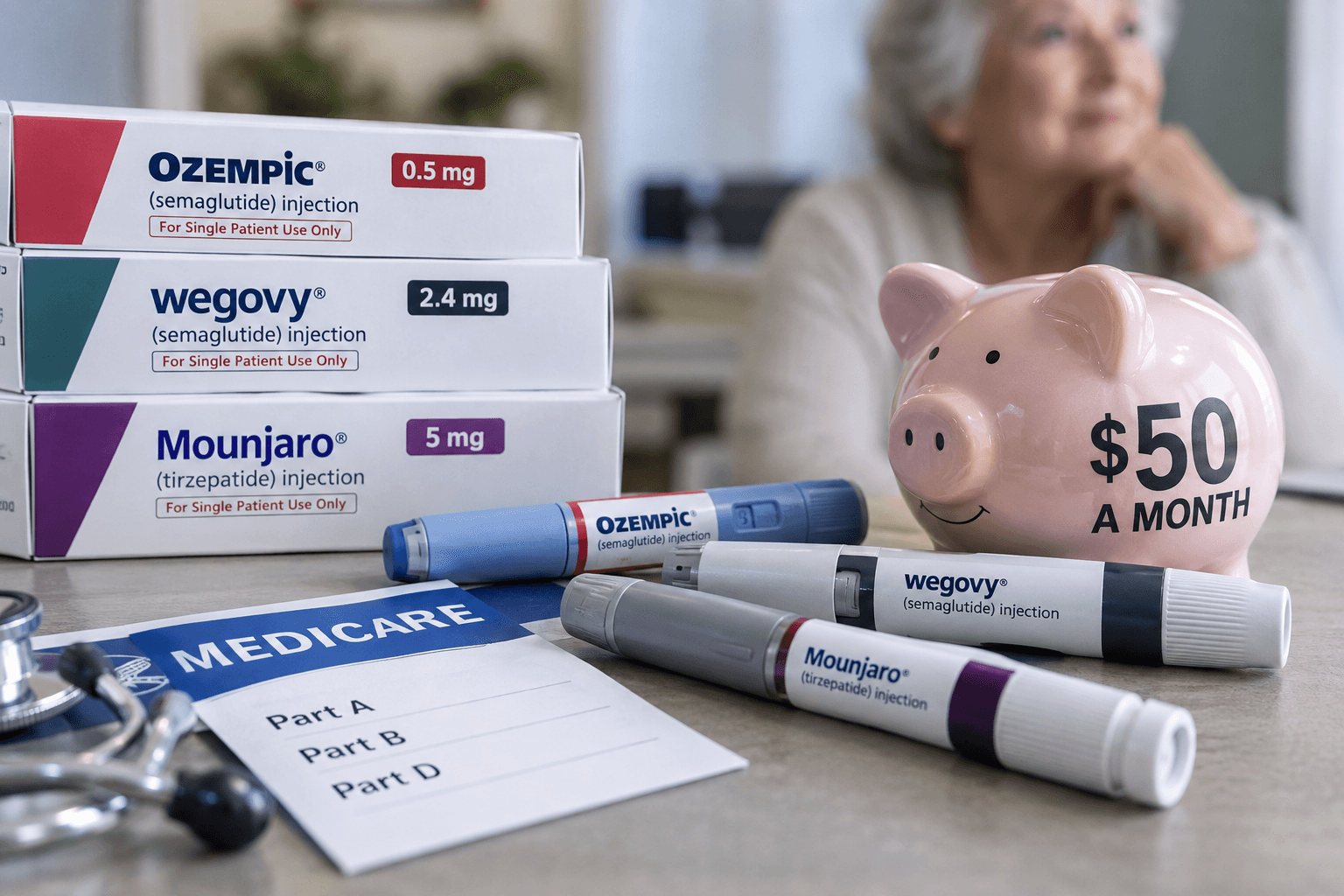
Medicare to Offer Cheaper GLP-1 Weight Loss Medications to Seniors
A new pilot program will allow some Medicare recipients to access GLP-1 weight loss medications for $50 a month, potentially helping millions of older adults who struggle with obesity. The program, set to launch on July 1, will cover three drugs and be available to those with Medicare Part D who meet certain conditions.
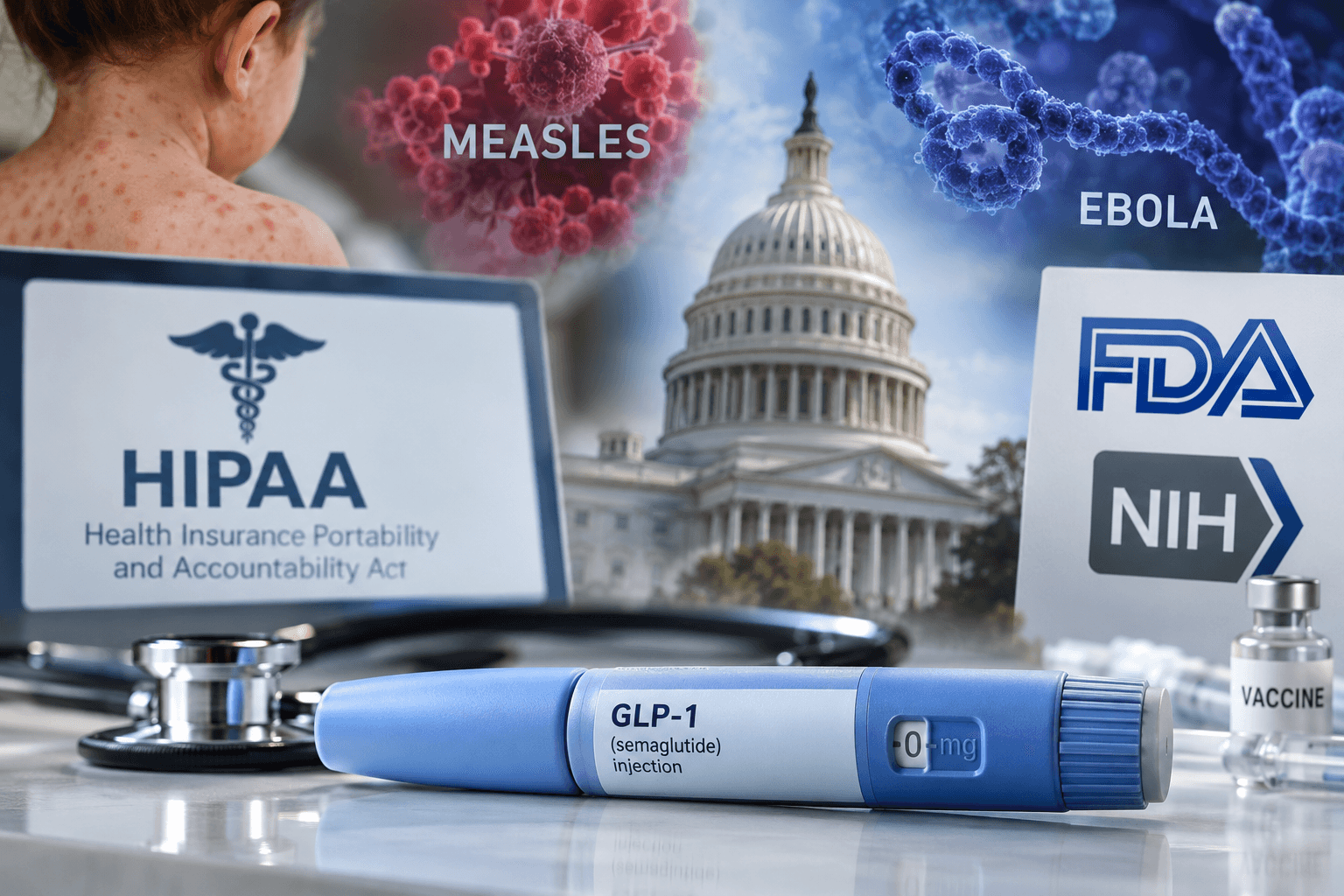
GLP-1 Side Effects Draw Scrutiny as Measles and Ebola Cases Climb
The Washington Post is examining the rare but serious side effects linked to GLP-1 receptor agonists, including ischemic optic neuropathy, gallstones and pancreatitis. The health news roundup also covers a new HIPAA rule requiring providers to answer health data requests within 15 days, an NIH leadership appointment, and an FDA nominee the White House is reportedly weighing dropping. Measles cases continue to rise in the U.S., and Ebola is hitting children hard in the Congo, according to UNICEF.
Cheaper GLP-1 Generics Arrive, and a Global Access Fight May Follow
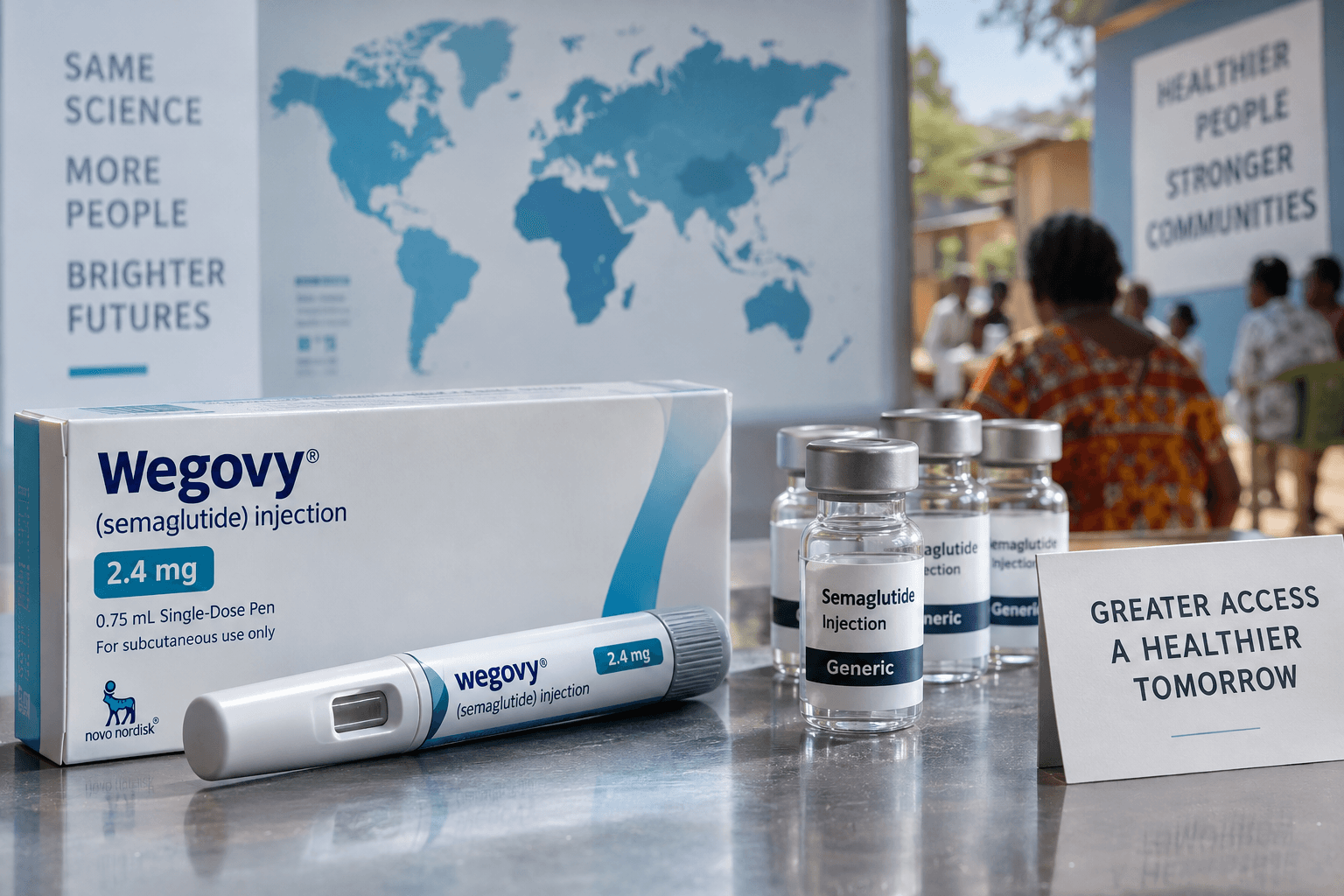
Lower-cost generic versions of semaglutide, the drug sold as Wegovy by Novo Nordisk for obesity, have begun reaching some countries and will soon arrive in others. At the same time, drugmakers are racing to develop newer GLP-1 medicines that are forecast to be more effective, cause fewer side effects and be easier to administer. London School of Economics professor Ken Shadlen, who studies the politics of pharmaceutical and health regulation, warns that obesity medications could become the next major battleground over access to medicines in lower-income countries. The shifts could put weight-loss treatment within reach of more people, but the path to access is far from settled.