Peptide News

Peptide & GLP-1 News

Tracking retatrutide, semaglutide, tirzepatide, BPC-157, GHK-Cu and the rest of the peptide market — drug approvals, pricing, research and the companies behind them.

Hundreds of English Children Prescribed Weight-Loss Jabs, Figures Show

Hundreds of English Children Prescribed Weight-Loss Jabs, Figures Show

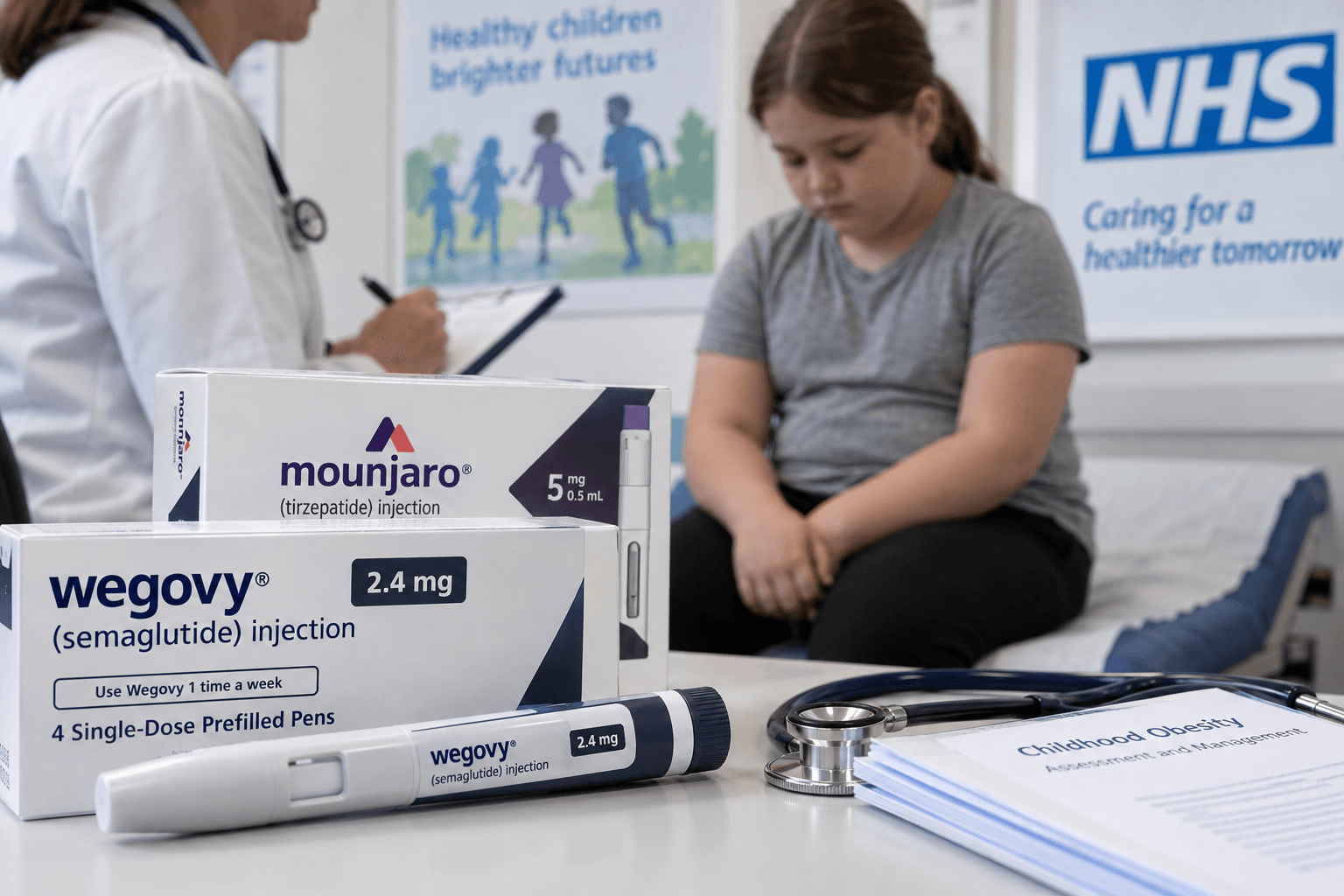
Hundreds of children in England are receiving prescriptions for GLP-1 medications, including some under 12, according to a Guardian investigation of NHS prescribing data. In the 2025-26 financial year, 419 prescriptions were issued to under-18s, 10 of them to children under 12. Experts say the figures likely understate the true total, and they stress that children who start these drugs need specialist supervision and long-term monitoring. The findings come as childhood obesity rates continue to rise and as new global guidance advises against giving obesity medications to children under 10.


Why Community Pharmacies May Be the Key to Staying on GLP-1 Medications

Why Community Pharmacies May Be the Key to Staying on GLP-1 Medications

A new Milken Institute report, released alongside survey research, argues that community pharmacies can play a central role in helping patients stay on GLP-1 medications. Real-world data cited in the report indicates that roughly 47% to 68% of people stop treatment within the first year, and nearly three in four GLP-1 users say more time with a pharmacist would improve their experience and results. The report points to side effects during dose changes, prior authorization hurdles, and out-of-pocket costs as common reasons patients abandon therapy. It also highlights pharmacy-led check-ins, navigation support, and clearer reimbursement pathways as practical steps that could help patients and pharmacy teams stay on track over the long term.

Survodutide Shows No Added Cardiovascular Risk in Trial of Patients With Obesity

Survodutide Shows No Added Cardiovascular Risk in Trial of Patients With Obesity

A large randomized trial found that survodutide, an investigational drug that targets both the glucagon and GLP-1 receptors, was safe for adults with obesity who had established cardiovascular disease, chronic kidney disease, or an increased risk of cardiovascular disease. Among more than 5,500 patients, the rate of major cardiovascular events was 3.7% on survodutide and 4.1% on placebo, meeting the noninferiority standard. The results were presented at the American Heart Association annual meeting and published simultaneously in The Lancet. Investigators said the study shows cardiovascular harm can be ruled out, but it does not show cardiovascular benefit.

GLP-1 Drugs Linked to Better Survival After Liver Transplant

GLP-1 Drugs Linked to Better Survival After Liver Transplant

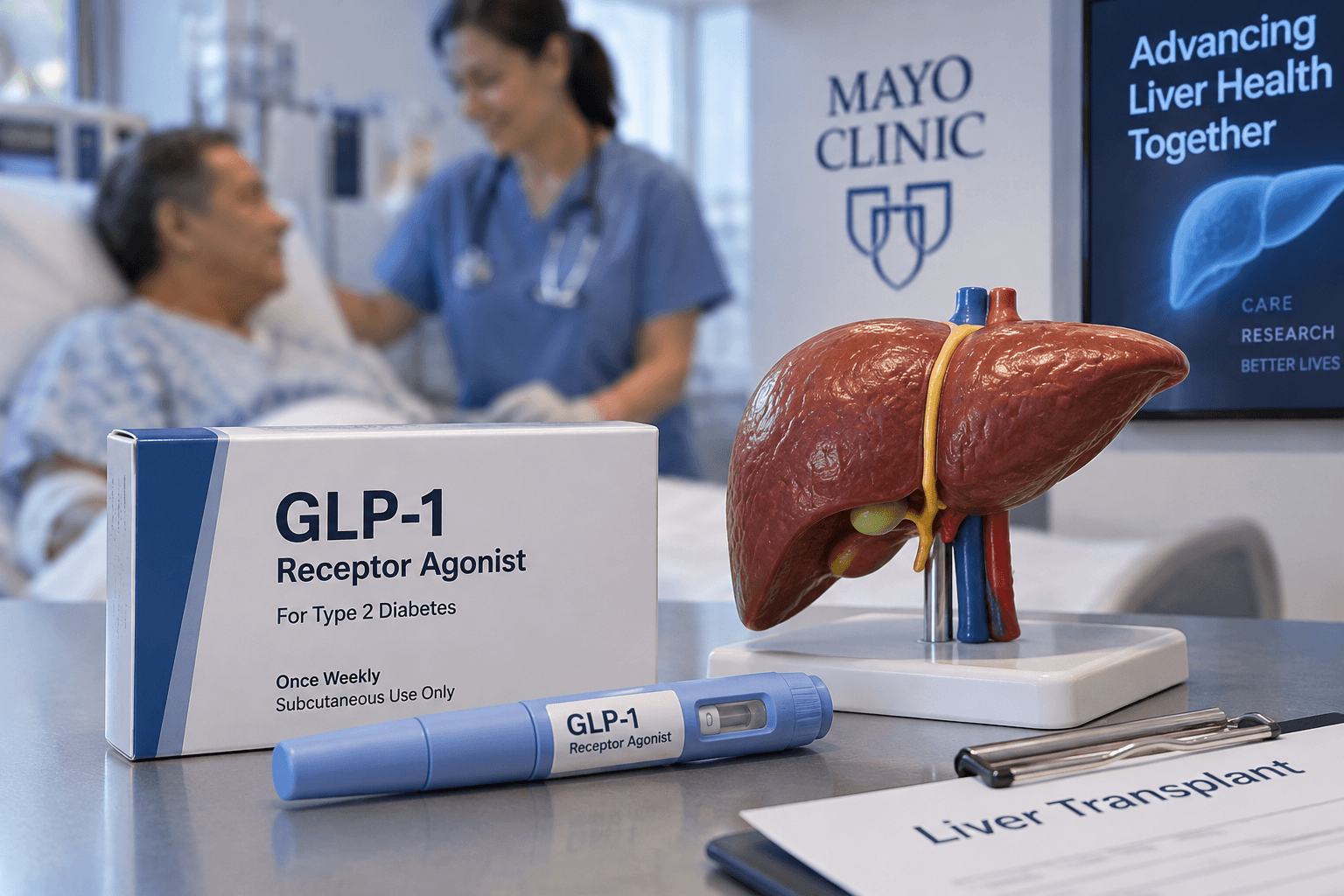
Liver transplant patients who took GLP-1 receptor agonists after surgery were 45% less likely to die than those who did not, according to a retrospective three-center study of 2,402 patients presented at the American Association for the Study of Liver Diseases Liver Meeting in Denver. A replication cohort of 1,443 U.S. claims-database patients showed similar results. Researchers said the drugs appear to lower deaths from causes other than liver failure, including cardiovascular events and cancer, though the reasons remain unclear and the study has limits. The findings add to a growing case for metabolic care in transplant patients as fatty liver disease becomes a leading cause of transplant.

Former Eli Lilly Rep Says She Was Fired After Objecting to Mounjaro Marketing

Former Eli Lilly Rep Says She Was Fired After Objecting to Mounjaro Marketing

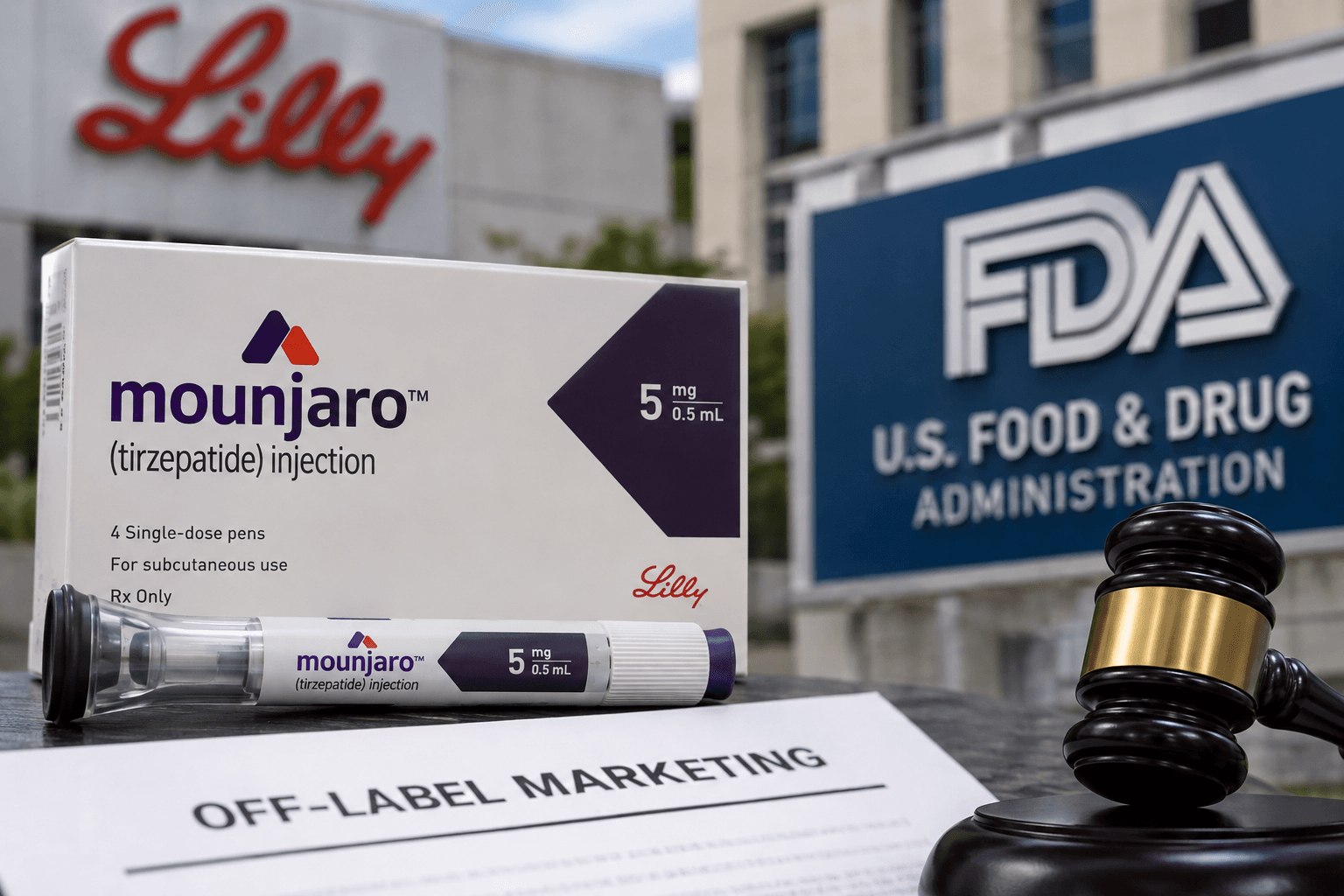
A former Eli Lilly sales representative has filed a federal lawsuit in Texas alleging she was fired after complaining that the company promoted its Mounjaro diabetes drug for weight loss before the Food and Drug Administration had approved that use. Jennifer Mansion, who was hired as a senior territory manager in Dallas four years ago, says she saw other Lilly reps pitch the drug as a treatment for obesity. She also alleges a physician touted Mounjaro as a weight loss option at a luncheon sponsored by the drugmaker. The case raises questions about off-label marketing, which federal rules prohibit drugmakers from doing for unapproved uses.

FDA Requires New Vision Loss Warning on All GLP-1 Drugs

FDA Requires New Vision Loss Warning on All GLP-1 Drugs

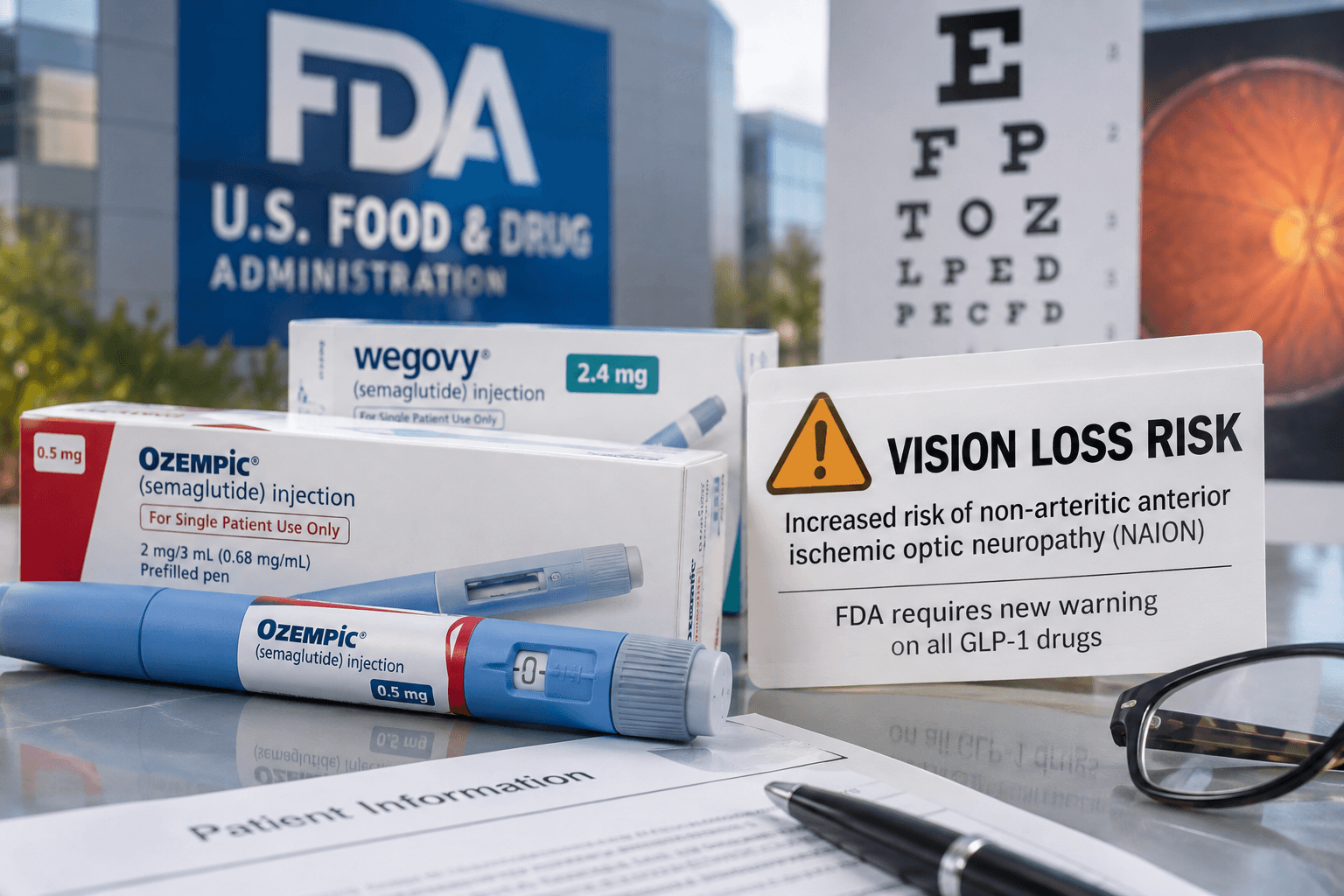
The U.S. Food and Drug Administration is requiring manufacturers of all GLP-1 receptor agonist medications to add a warning about a potential increased risk of non-arteritic anterior ischemic optic neuropathy (NAION), a rare condition that can cause painless vision loss in one eye and can be permanent. The agency's review included a meta-analysis of 126 clinical trials and a retrospective cohort study. Its findings showed a higher incidence of NAION among patients taking GLP-1 drugs than among those receiving comparator treatments, though the absolute numbers remain small. Health care providers are advised to watch for sudden vision changes and to refer suspected cases to an ophthalmologist.

Retatrutide Eases Knee Osteoarthritis Pain in Patients With Obesity, Trial Finds

Retatrutide Eases Knee Osteoarthritis Pain in Patients With Obesity, Trial Finds

An investigational obesity drug, retatrutide, significantly reduced pain and improved physical function in adults with obesity and knee osteoarthritis, according to the phase 3 TRIUMPH-4 trial. Results were presented at the American College of Rheumatology annual meeting and published simultaneously in the New England Journal of Medicine. The drug targets three hormone receptors and produced substantial weight loss, but a higher rate of side effects than placebo, and the researchers called for further studies on how it works and whether it can modify the disease itself.

Retatrutide Is One Click Away, but That Does Not Make It Safe

Retatrutide Is One Click Away, but That Does Not Make It Safe

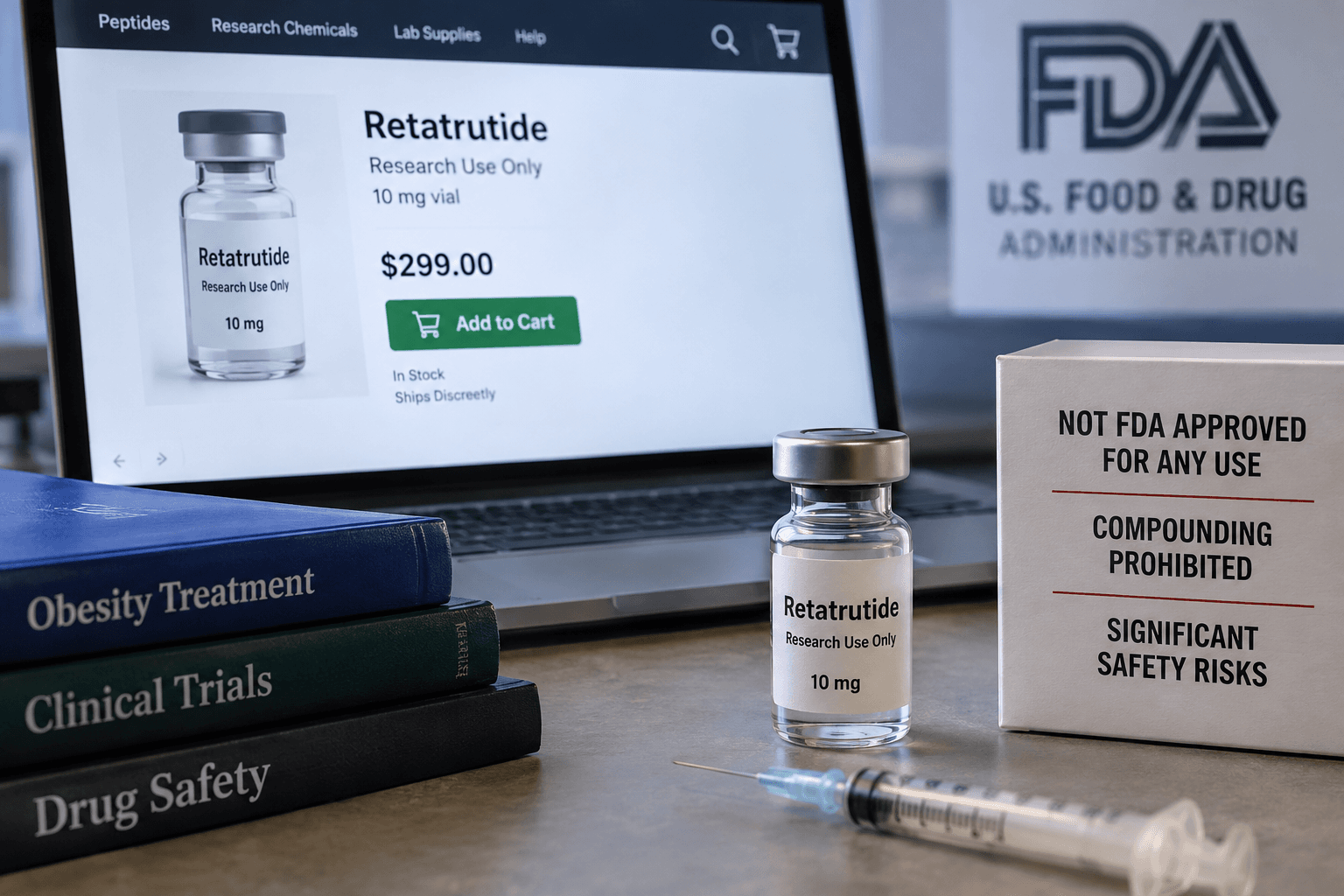
Retatrutide, an investigational weight-loss and diabetes drug, is being sold online as a “research” product even though it has no FDA approval for any use. Federal regulators say federal law does not permit it to be compounded or sold, and clinicians warn that gray-market vials may contain the wrong dose, impurities, or no retatrutide at all. Promising trial data on the approved-for-study molecule do not establish that online products are safe or effective.

GLP-1 Medications Compared With Metformin for Prediabetes: What the Study Found

GLP-1 Medications Compared With Metformin for Prediabetes: What the Study Found

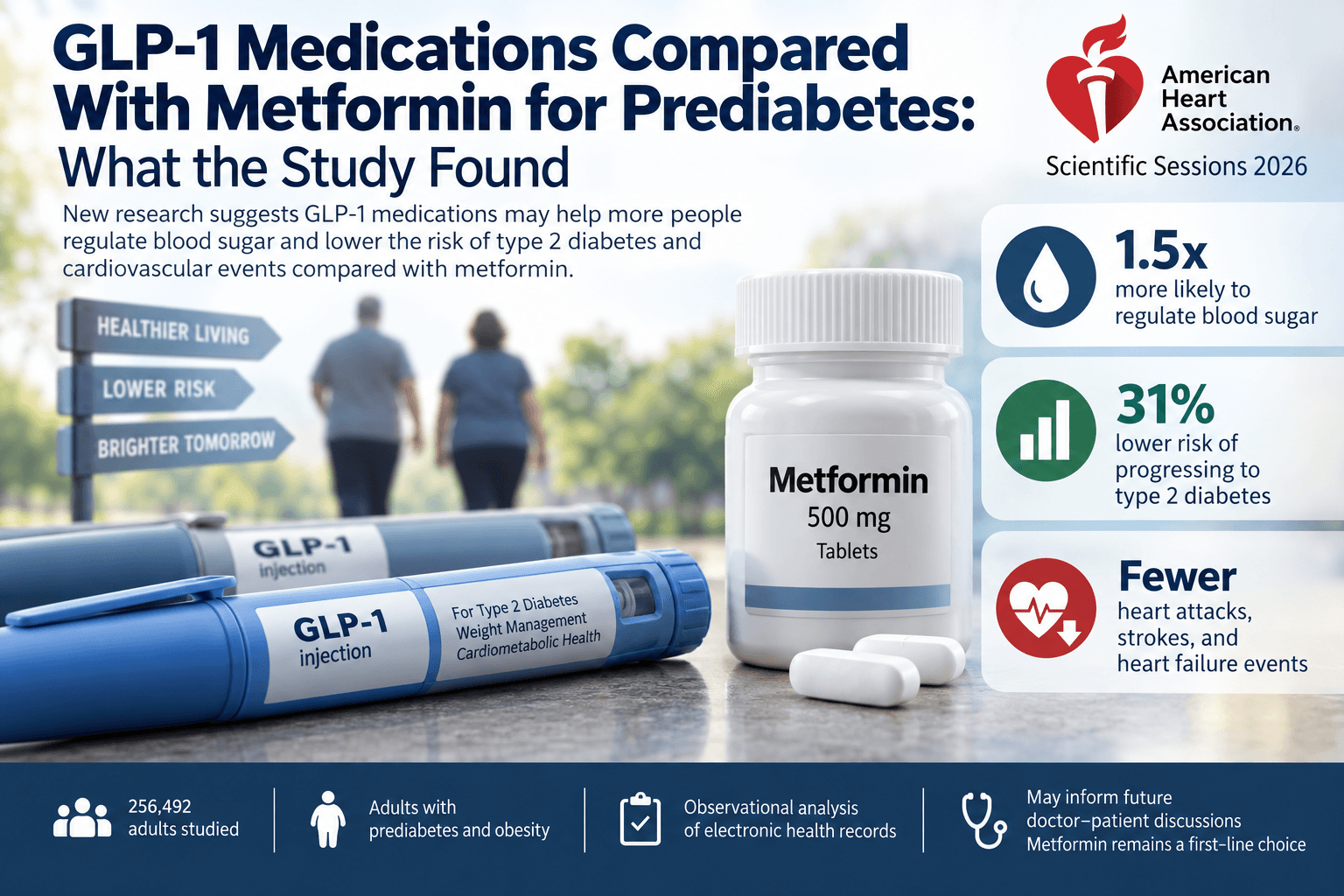
A study presented at the American Heart Association Scientific Sessions 2026 found that adults with prediabetes and obesity who took a GLP-1 medication were about 1.5 times more likely than those on metformin to regulate their blood sugar. They also had a 31% lower risk of progressing to type 2 diabetes. The observational analysis reviewed electronic health records from 256,492 adults and reported fewer heart attacks, strokes, and heart failure events among GLP-1 users. Researchers say the results could shape conversations between doctors and patients about treatment options, though metformin remains a first-line choice.

Weight-Loss Incretin Drug Linked to More Regular Periods

Weight-Loss Incretin Drug Linked to More Regular Periods

A combined GLP-1/GIP receptor agonist was associated with more regular menstrual cycles in a prospective cohort study presented at the American Society for Reproductive Medicine annual meeting. Women taking the combination drug saw their cycle length shorten by an average of 2.5 days, compared with 0.4 days for GLP-1 users and 0.8 days for never-users. The effect was most pronounced among women with polyendocrine metabolic ovarian syndrome, formerly known as polycystic ovary syndrome. Researchers at the Harvard T.H. Chan School of Public Health led the analysis of data from more than 70,000 logged cycles. The team says the findings could help drugmakers explore new ways to support ovulation.

RFK Jr. Eases Access to Unproven Peptides Over FDA Staff Objections

RFK Jr. Eases Access to Unproven Peptides Over FDA Staff Objections

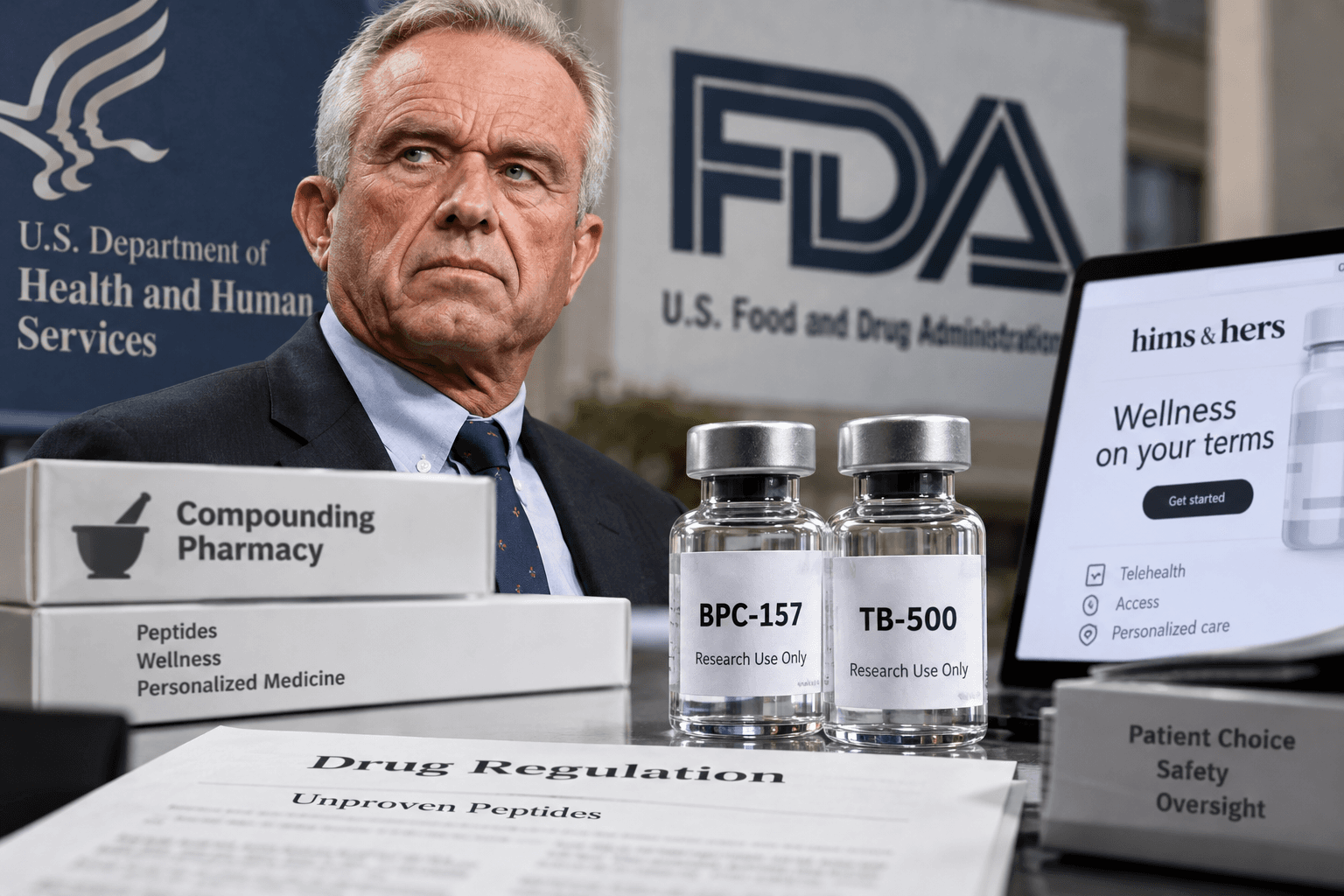
The Trump administration on Wednesday moved to loosen access to unproven peptide drugs favored by Health Secretary Robert F. Kennedy Jr. The new policy, posted by the Department of Health and Human Services, directs the FDA not to act against specialty pharmacies that sell six wellness peptides, including BPC-157 and TB-500. Six people familiar with the decision said FDA scientific staffers had little input and opposed the changes. Critics warn the move could undermine the agency's long-standing effort to keep unproven products off the U.S. market, while supporters call it a step toward patient choice.

A Court Ruling on GLP-1 Ads, a Weekly Insulin for Kids, and Other Health Stories to Know

A Court Ruling on GLP-1 Ads, a Weekly Insulin for Kids, and Other Health Stories to Know

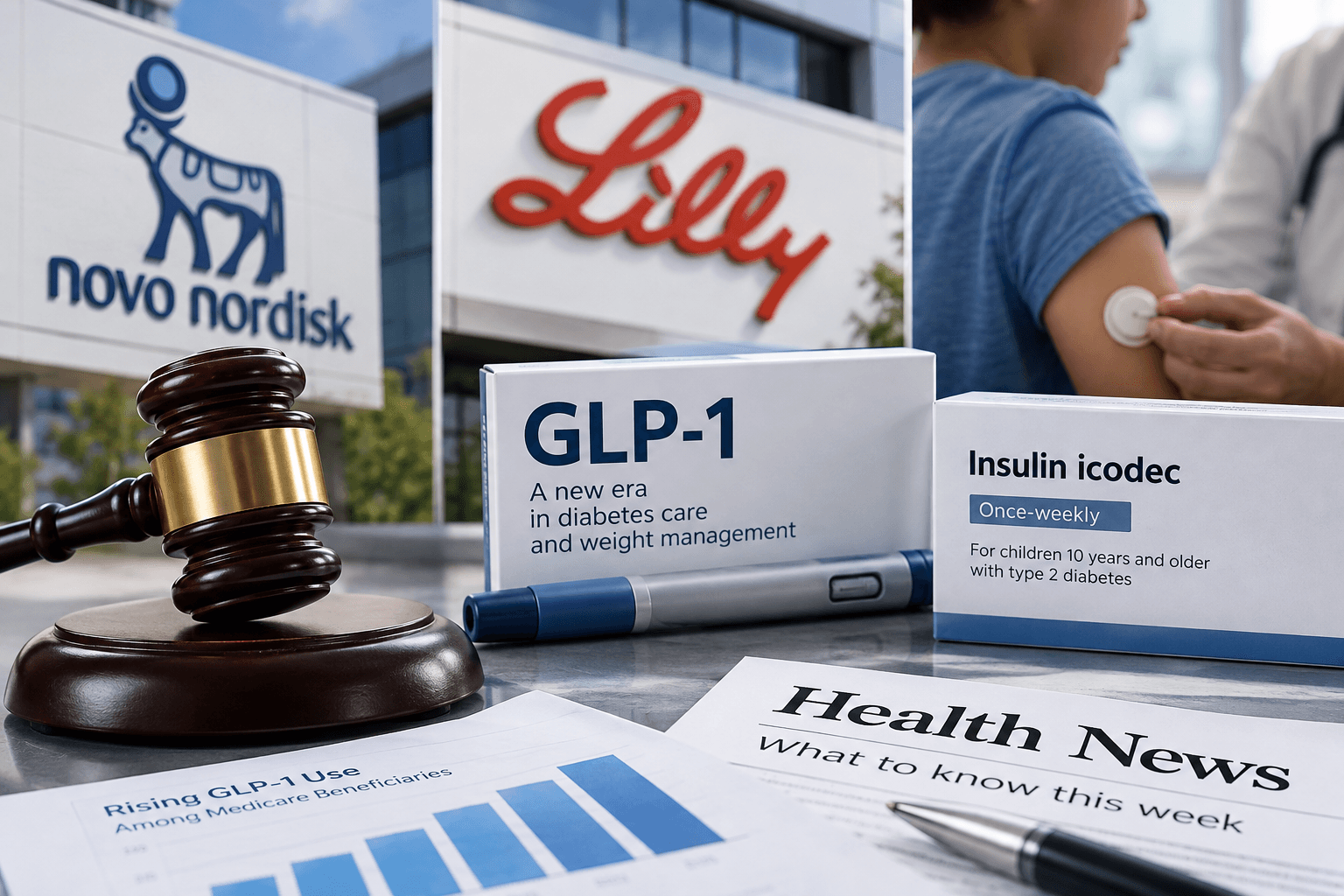
A U.S. judge rejected Novo Nordisk's request to temporarily block Eli Lilly from running ads claiming its weight-loss and diabetes drugs are more powerful. The same week, the FDA expanded approval for a once-weekly insulin for children ages 10 and older with type 2 diabetes. Studies also showed endocrinologists prescribing newer diabetes drugs more often and GLP-1 use among Medicare beneficiaries rising sharply. Here is a friendly rundown of what changed, what it means, and what to keep in mind.